
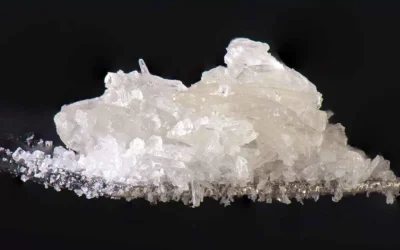
-
7 min read
For teams already familiar with the basic THCA crystallization process, the variables that actually separate a consistent, high-purity...
Root Sciences offers leading THC remediation technology designed to reduce or remove THC, isolate CBD, and purify minor cannabinoids. Utilizing advanced crystallization and chromatography techniques, our turnkey solution provides fast, reliable, and scalable processing.
Whether you’re producing CBD isolates or THC-free broad-spectrum distillates, Root Sciences has the expertise and equipment to support your goals.
THC remediation helps reduce or remove THC from hemp and cannabis extracts, allowing processors to meet legal limits and produce compliant CBD isolates, broad-spectrum distillates, and low-THC formulations.
01
Using crystallization and chromatography, THC remediation separates THC from CBD and other valuable cannabinoids, supporting high-purity output while preserving minor cannabinoids like CBG, CBN, and CBC.
02
From small batches to high-volume production, THC remediation systems help maximize CBD recovery, reduce waste, and support efficient workflows for compliant cannabinoid manufacturing.
03
Choose the right scale for your operation, from compact lab systems to high-throughput industrial solutions.
Lab Scale
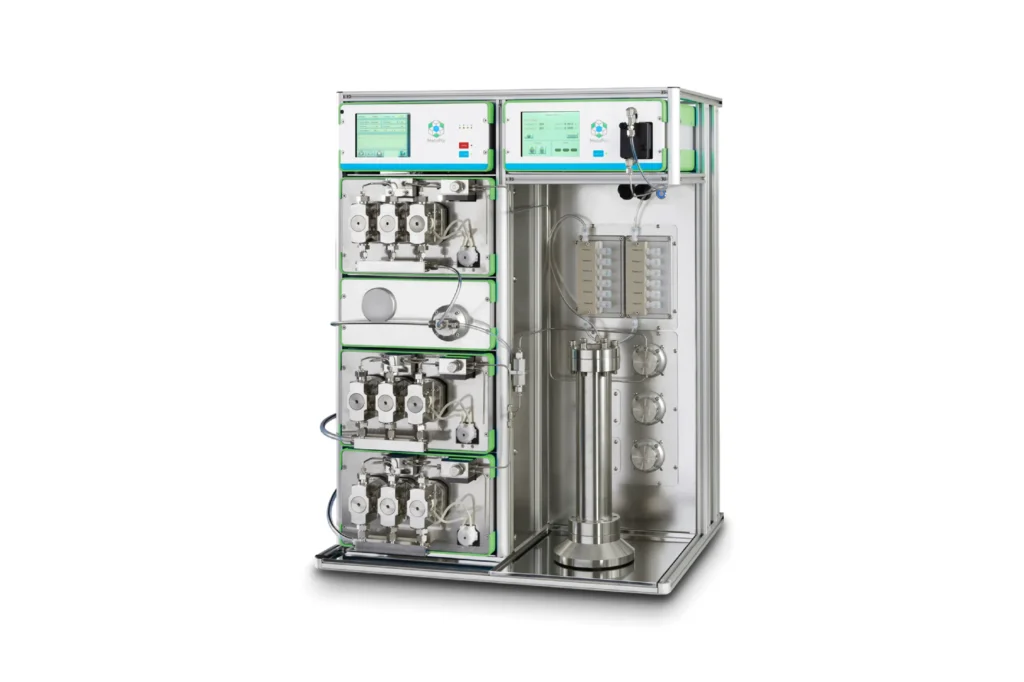
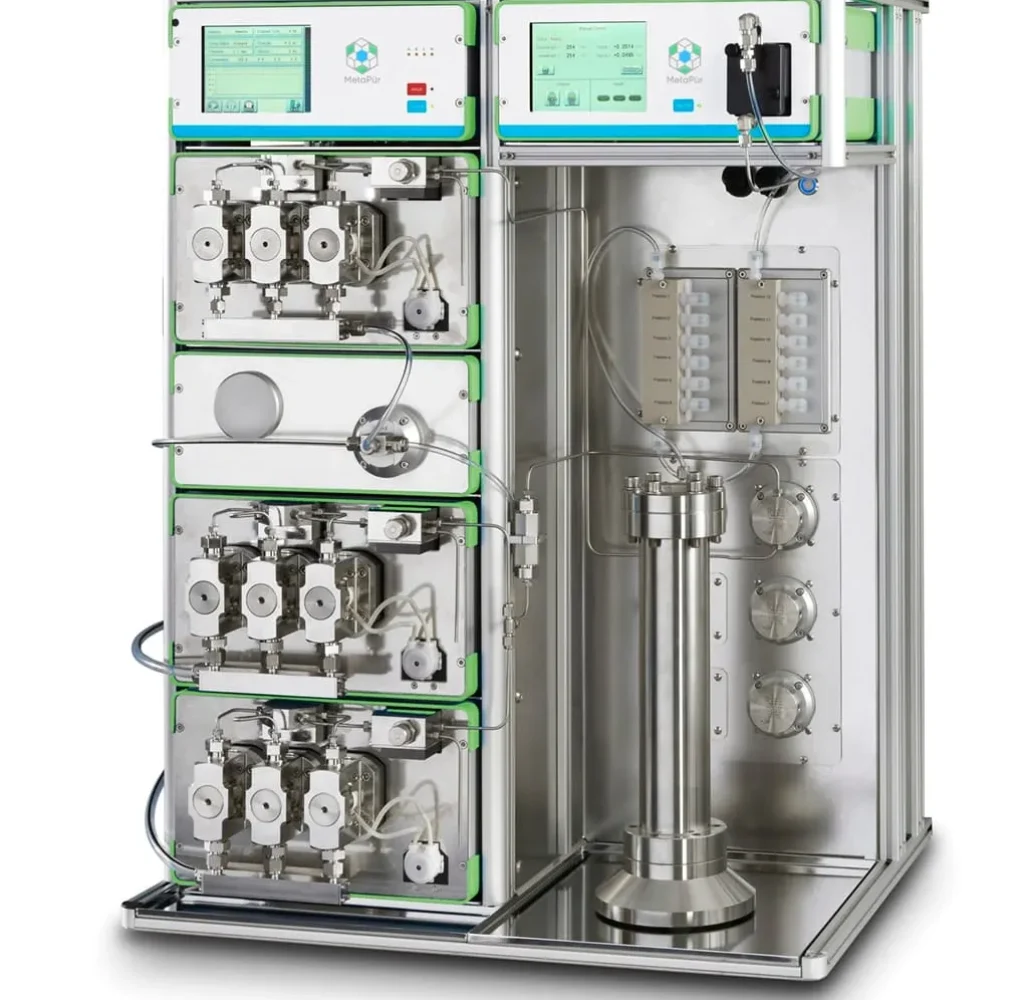
MetaPür’s HPLC systems provide a complete purification solution, supporting both bench and process scale operations. Designed to handle a range of pressure requirements, these systems accommodate column media from 10 to 50 μm, ensuring flexibility for various purification needs, including reverse phase, normal phase, ion exchange, and chiral separations. Key features include pulse-free flow paths, multi-column and stacked injection capabilities, and advanced UV diode array detection. With automated clean-in-place (CIP), remote control, and full compliance with 21CFR Part 11, cGMP, GLP, and FDA regulations, MetaPür’s systems are engineered for optimum efficiency and reliability in your THC remediation processes.
Commercial Scale
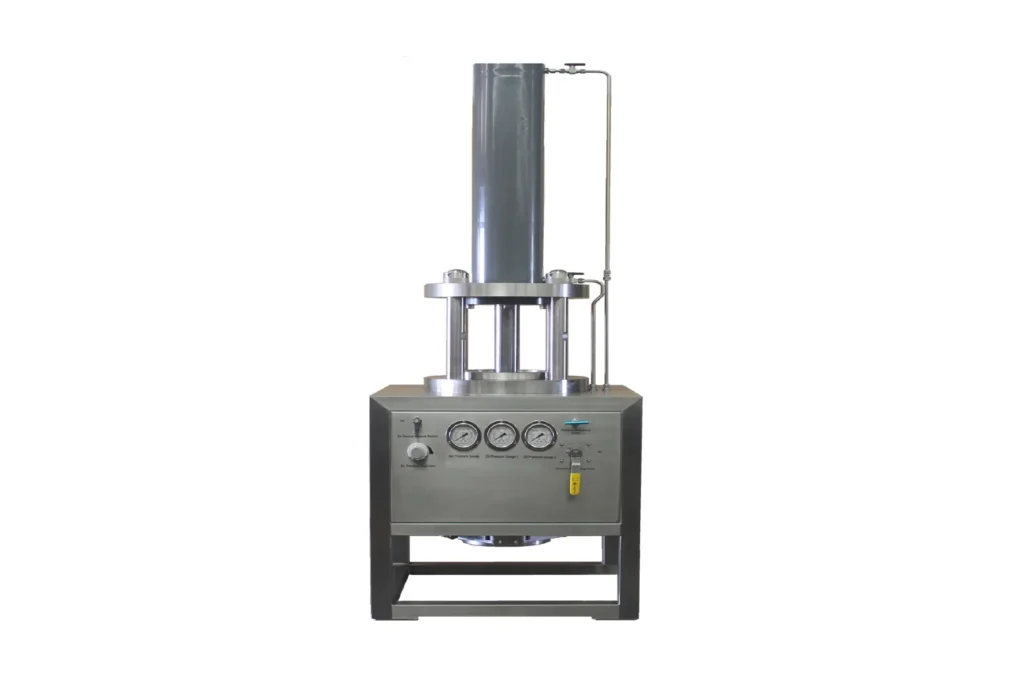
MetaPür’s axial compression columns are designed for precision and efficiency across analytical, pilot, and process scale chromatography. Offering a full range of sizes, these columns are engineered for rapid unpacking and repacking, with a 20 cm ID column requiring less than an hour. A proprietary set of channels in the end fittings ensures uniform flow distribution across the column bed, resulting in enhanced performance by increasing the number of theoretical plates and minimizing peak broadening. This optimal flow distribution delivers improved peak shape and height, translating to higher purity and yield for your THC remediation processes.
THC remediation is the process of reducing or removing THC from cannabis and hemp extracts to help producers meet legal and regulatory requirements. Root Sciences supports THC remediation through crystallization and chromatography equipment designed to isolate CBD, produce THC-free broad-spectrum distillates, and purify valuable minor cannabinoids.
| Stage | Process |
|---|---|
| Extract Preparation | Hemp extract is prepared for THC reduction using controlled crystallization or chromatography methods. |
| CBD Crystallization | CBD is separated into crystalline isolate under controlled solvent and temperature conditions. |
| Mother Liquor Recovery | The remaining mother liquor can retain valuable minor cannabinoids and residual THC for further processing. |
| Chromatographic Separation | THC is separated from CBD and other cannabinoids to support compliant broad-spectrum production. |
| Final Output | The process supports CBD isolate, THC-free broad-spectrum distillate, and purified cannabinoid fractions. |
THC remediation equipment is used to reduce or remove THC from cannabis and hemp extracts to meet legal and regulatory requirements. This equipment is essential for producing CBD isolates, THC-free broad-spectrum distillates, and other low-THC cannabinoid products that comply with industry standards.
The two primary methods used in THC remediation are crystallization and chromatography. Crystallization isolates pure CBD in crystalline form, while chromatography separates THC from other cannabinoids, allowing for THC removal without losing the beneficial compounds in the extract.
Chromatography offers precise separation of THC from other cannabinoids, allowing manufacturers to create THC-free products while preserving the full-spectrum profile of minor cannabinoids. This method is highly effective for producing broad-spectrum distillates with little to no THC.
Crystallization works by dissolving CBD-rich hemp extract in a solvent and cooling it under controlled conditions, which causes CBD to form pure crystals. This process is fast, scalable, and results in a highly purified CBD isolate, while the leftover solution, called mother liquor, contains THC and other cannabinoids that can be further processed.
Root Sciences offers turnkey THC remediation equipment with capacities ranging from a few kilograms to hundreds of kilograms per shift. This scalability allows businesses to start with smaller batches and scale up to meet increased production demands.
Yes, Root Sciences offers customized THC remediation solutions based on the specific production requirements of your business. You can choose equipment tailored to the volume, processing method, and cannabinoid profile you’re working with.
Solvents such as ethanol or heptane are often used in the crystallization process to dissolve the extract and facilitate CBD crystal formation. Chromatography may also use solvents to separate cannabinoids, depending on the type of media and system in use.
The time required for THC remediation depends on the method and scale of operation. Crystallization can be completed within hours, while chromatography may take longer depending on the volume being processed. Root Sciences’ turnkey systems are designed for efficiency, helping to minimize downtime.
Yes, Root Sciences’ THC remediation equipment is designed to meet cGMP, GLP, and FDA regulations. This ensures that your products are manufactured in compliance with industry safety and quality standards.
In addition to THC and CBD, THC remediation equipment can also purify and isolate minor cannabinoids such as CBG, CBN, and CBC. These compounds can be preserved through careful processing to create full-spectrum or broad-spectrum products.
THC remediation equipment typically requires routine maintenance, including cleaning in place (CIP) and regular monitoring of solvent levels and system performance. Many systems are equipped with alarms and automated features to streamline maintenance and minimize operational interruptions.
Yes, THC remediation equipment can be used for various cannabinoids beyond CBD. The equipment is versatile and can handle different cannabinoid profiles, making it ideal for producing compliant extracts from both cannabis and hemp.
No. On the contrary, it enhances purity by removing unwanted THC and concentrating other cannabinoids, such as CBD, resulting in a higher-quality end product.
THC remediation offers several key benefits and advantages, particularly for producers looking to create compliant, high-quality cannabinoid products. Here’s an overview of the most significant advantages:
1. Legal Compliance
One of the primary benefits of THC remediation is ensuring that products meet legal requirements. Many markets, including the U.S., mandate that CBD products contain less than 0.3% THC. THC remediation allows producers to meet these regulatory standards, making their products eligible for sale in various regions.
2. High-Purity Products
Through advanced techniques like crystallization and chromatography, THC remediation produces highly purified cannabinoid products. Crystallization isolates CBD into a nearly pure crystalline form (often over 99% pure), while chromatography can remove THC without affecting other valuable cannabinoids. This results in THC-free or low-THC CBD isolates and broad-spectrum distillates that are both potent and compliant.
3. Preservation of Minor Cannabinoids
One of the key advantages of THC remediation, particularly when using chromatography, is the ability to preserve minor cannabinoids. These compounds, such as CBG, CBN, and CBC, are often sought after for their therapeutic benefits. By carefully removing only THC, the final product retains the natural, full-spectrum profile of the original extract.
4. Scalability
THC remediation technologies, particularly crystallization, are scalable to meet the demands of operations of any size. Root Sciences offers equipment that can process from a few kilograms to hundreds of kilograms per shift, allowing businesses to start small or expand their operations as needed. This scalability makes THC remediation cost-effective and accessible for both small and large producers.
5. Increased Yield and Efficiency
By combining crystallization and chromatography, manufacturers can reduce waste and maximize the yield of CBD from each batch of extract. After the initial crystallization process, the remaining mother liquor, which still contains valuable cannabinoids, can be further processed to capture more CBD. This dual approach ensures that no material goes to waste, increasing overall efficiency and profitability.
6. Consumer Demand for THC-Free Products
Many consumers are looking for THC-free CBD products due to personal preference, health reasons, or job requirements (such as drug testing). Offering THC-free or low-THC products widens a company’s market appeal and ensures that their products can cater to this growing demand.
7. Versatile Applications
THC remediation produces CBD isolates, THC-free broad-spectrum distillates, and other cannabinoid-rich formulations that can be used in a wide range of products, including tinctures, topicals, edibles, and vape products. This versatility enables manufacturers to diversify their product offerings and enter new markets.
In summary, THC remediation ensures compliance with legal standards, produces high-purity cannabinoid products, preserves minor cannabinoids, maximizes yield, and offers scalability for businesses of all sizes. These benefits allow manufacturers to meet market demands while optimizing their production processes.
For teams already familiar with the basic THCA crystallization process, the variables that actually separate a consistent, high-purity...
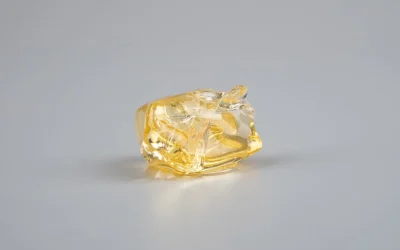
THCA diamonds are made by dissolving high-purity, non-decarboxylated crude extract in a non-polar solvent at a controlled ratio,...
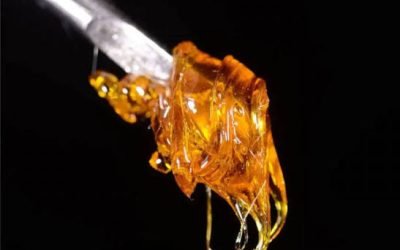
THCa wax is made by extracting biomass with closed-loop hydrocarbon extraction, then purging the crude oil at 100-115°F...
Contact our team to discuss your production needs and find the perfect cannabis post-processing solution.