

- April 3, 2026
-
5 min read
Rosin has become one of the most sought-after cannabis concentrates due to its purity and solventless extraction process....
Root Sciences proudly partners with industry-leading manufacturers to offer premium rosin presses for solventless cannabis and hemp extraction. Built for durability and backed by robust warranty support, these presses are known for their high yield and consistent performance. Whether processing flower, bubble hash, or dry sift, these solventless extraction machines are engineered for reliability and efficiency. With rugged construction and minimal maintenance requirements, our rosin presses are a trusted solution for operators seeking clean, high-quality concentrates.
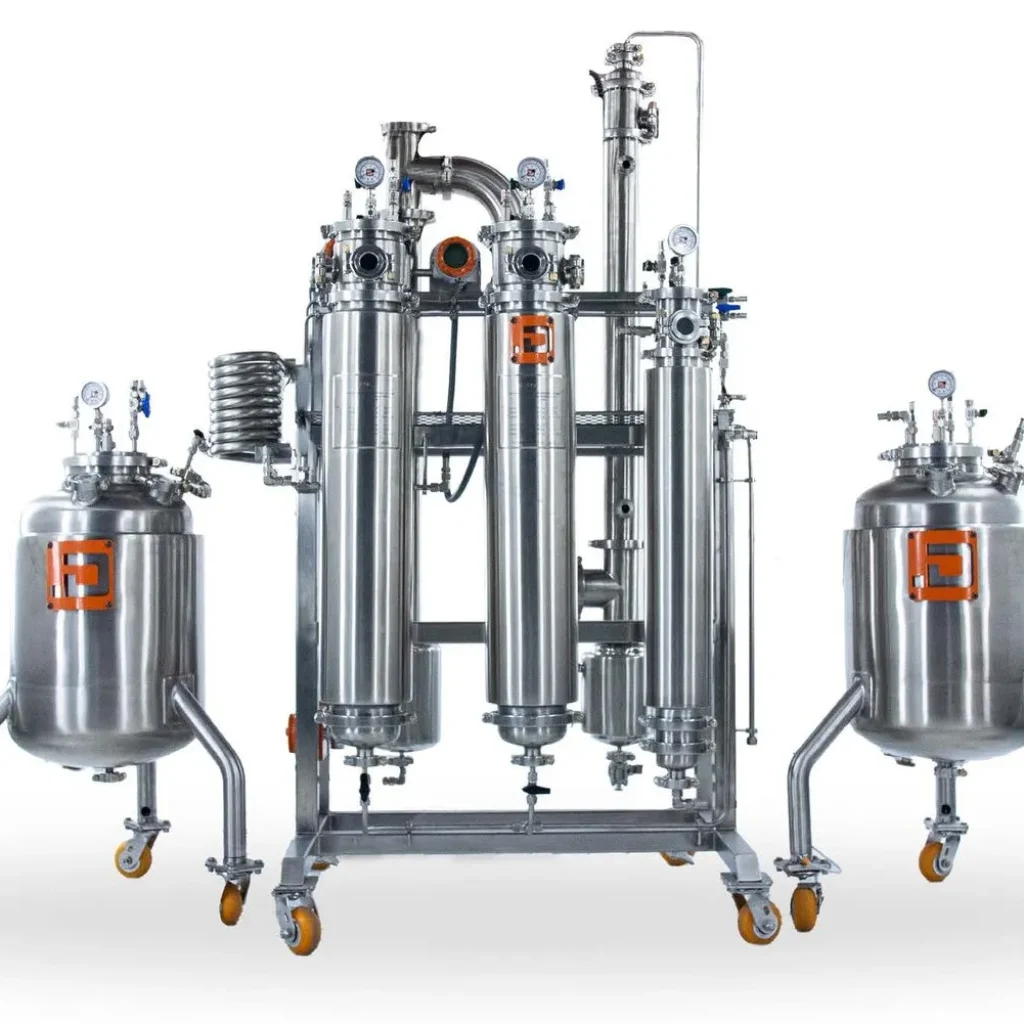
Rosin presses use only heat and pressure to extract resin from flower, bubble hash, or dry sift, producing clean cannabis and hemp concentrates without chemical solvents or complex post-processing.
01
Controlled temperature, pressure, and pressing time help preserve cannabinoids, terpenes, flavor, and aroma, resulting in full-spectrum rosin with clarity, texture, and consistent quality.
02
From compact lab-scale presses to 10-ton, 55-ton, and 200-ton commercial systems, rosin press equipment supports repeatable output, high-throughput production, and durable long-term operation.
03
Rosin extraction is a solventless cannabis and hemp extraction method that uses controlled heat and pressure to separate resin from flower, bubble hash, or dry sift. The material is placed between parchment paper and pressed between heated plates, causing the resin to liquefy and separate without the use of chemical solvents. The result is a clean, full-spectrum concentrate with preserved cannabinoids, terpenes, flavor, and aroma. Root Sciences offers rosin presses for lab, commercial, and industrial-scale solventless concentrate production.
| Process Stage | What Happens |
|---|---|
| Material Preparation | Cannabis flower, bubble hash, or dry sift is selected and usually placed into a fine mesh filter bag to reduce contamination. |
| Parchment Placement | The filled filter bag is positioned between parchment paper to contain the rosin during pressing. |
| Controlled Pressing | Heated plates apply pressure at a controlled rate, softening resin glands and forcing the extract out of the material. |
| Purity Control | Proper filter bag size, even pressure, and consistent temperature help keep plant particles out of the final concentrate. |
| Rosin Collection | The parchment is removed, cooled slightly, and the finished solventless rosin is collected for use or storage. |
Choosing the right rosin press depends on a range of operational factors, from the volume of material processed to the type of inputs used. Understanding these considerations can help operators make informed decisions that support long-term efficiency, product consistency, and safe processing.
1. Scale of Production
Consider how much material you plan to process on a regular basis. For personal use or small batches, compact manual presses may be sufficient. In contrast, commercial facilities typically require larger hydraulic or programmable units that support high-volume output. Matching the press size to your expected workflow helps prevent unnecessary strain on the equipment and ensures smoother production.
2. Pressing Techniques
Different materials and end products benefit from different pressing methods. Flower often requires higher heat and pressure for shorter durations, while hash or sift may need lower temperatures and gradual force to preserve terpene content. A rosin press should allow for fine control over pressure application to support a range of techniques.
3. Temperature Control
Accurate temperature settings are essential for preserving cannabinoids and terpenes. Presses with digital temperature control help maintain consistent results across batches. Even heat distribution across the plates also contributes to efficient extraction and a more uniform final product.
4. Plate Size and Pressure Capacity
The size of the plates determines how much material can be processed at one time. Larger plates can improve efficiency but require greater pressure to achieve complete extraction. It is important to ensure the pressure capacity of the press matches the size of the plates and the type of material being used.
5. Compliance and Certifications
For operators in regulated markets, equipment should meet safety and manufacturing standards. Features like UL-certified components, food-safe coatings, and consistent build quality help support compliance and reduce risk during inspections or audits.
6. Ease of Use and Maintenance
User-friendly interfaces, accessible components, and simple cleaning procedures can improve daily operation and reduce downtime. Presses that are easy to set up and maintain are especially beneficial for small teams or solo operators.
7. Cost-Effectiveness
While initial cost is a factor, it is also important to consider durability, maintenance needs, and the potential for long-term use. A press that can handle consistent output without frequent repairs or upgrades may offer better value over time.
8. Future-Proofing Features
As production needs grow, having a press that can scale with you is beneficial. Look for features such as programmable logic controllers, upgrade options for automation, or compatibility with larger pumps. These features provide flexibility to expand operations without replacing core equipment.
Rosin presses offer a clean, efficient method for producing cannabis and hemp concentrates without the use of chemical solvents. By applying controlled heat and pressure, rosin extraction preserves valuable compounds such as cannabinoids and terpenes, resulting in a full-spectrum concentrate with robust flavor and aroma. This solventless method minimizes post-processing requirements, reduces safety concerns, and supports compliance with increasingly strict extraction regulations. Because rosin presses operate mechanically, they are also relatively easy to maintain and can accommodate a wide range of input materials—from flower to bubble hash. For processors seeking a straightforward, chemical-free approach to concentrate production, rosin presses provide a practical and scalable solution.
Rosin presses are typically used to press cannabis or hemp flower, ice water hash (bubble hash), and dry sift. Each input material yields different results, with hash often producing the highest quality rosin.
Most presses come with a manual hand pump and do not require an air compressor. However, some larger units can be upgraded to support pneumatic or hydraulic pump systems if desired.
Solventless extraction offers a cleaner, more natural product without using chemical solvents. It’s ideal for consumers seeking full-spectrum concentrates with robust flavor, aroma, and cannabinoid profiles.
Routine maintenance includes cleaning the platens, checking for oil leaks or wear on moving parts, and following manufacturer guidelines. Proper care ensures consistent performance and extends the life of your equipment.
Absolutely. Our presses are built to meet the needs of both licensed commercial processors and small-batch craft producers, offering consistent output and compliance-ready builds.
Rosin has become one of the most sought-after cannabis concentrates due to its purity and solventless extraction process....
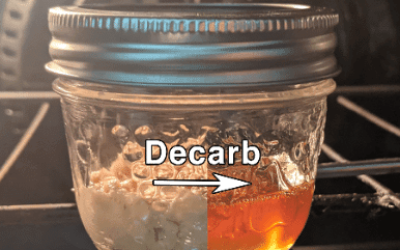
Rosin is a solventless cannabis extract that is known for its purity and full cannabinoid and terpene profile....
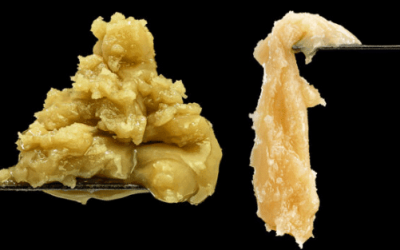
Rosin is one of the most flavorful cannabis concentrates that traditional users and connoisseurs prefer alike. Flower rosin...
Contact our team to discuss your production needs and find the perfect cannabis post-processing solution.