
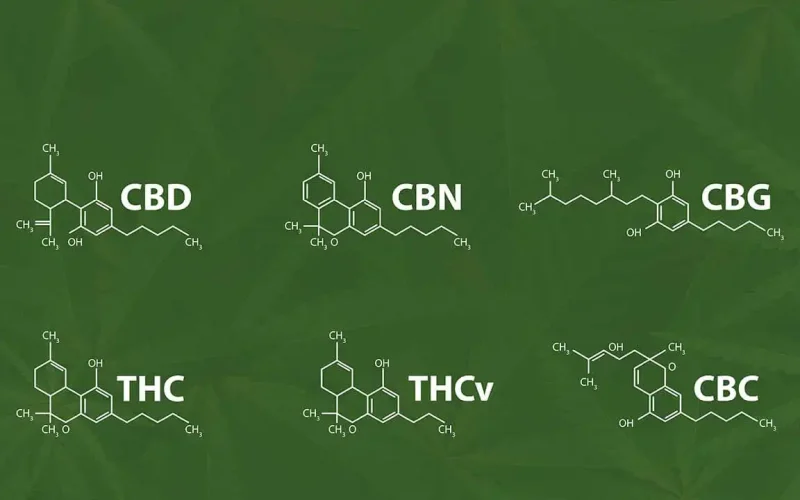
Did you know that cannabis contains over 100 distinct cannabinoids beyond the well-known THC and CBD? While major cannabinoids dominate headlines, it is the lesser-studied compounds – CBG, CBN, CBC, and THCV – that researchers are increasingly excited about. These minor cannabinoids are emerging as targeted therapeutic tools that offer unique benefits the big two simply cannot provide alone.
This guide explains what minor cannabinoids are, how they work in the body, what each compound may offer, and why they are considered the next frontier in cannabis-based wellness.
Sections
ToggleWhat Are Minor Cannabinoids?
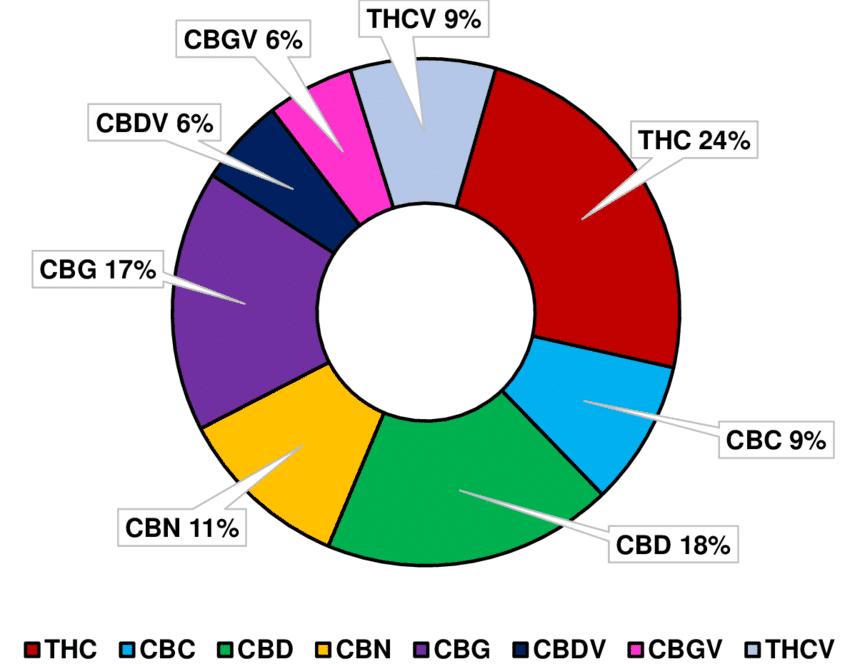
Minor cannabinoids are specialised chemical compounds produced naturally by the cannabis plant that interact with the body’s endocannabinoid system (ECS). The term ‘minor’ refers to their concentration, not their importance – these compounds are present at less than 1% of the plant’s total cannabinoid content, compared to the 10–25% typically seen with major cannabinoids like THC and CBD.
Because major cannabinoids are more abundant, they have historically received more research attention. However, advances in cannabis extraction and isolation technology are making it possible to study and utilise minor cannabinoids in ways that were previously impractical. Over 100 cannabinoid compounds have been identified in the cannabis plant, each contributing to its overall therapeutic profile.
Key distinction: Minor cannabinoids are defined by their low concentration in the plant – less than 1% of total cannabinoid content – not by limited therapeutic potential.
How Minor Cannabinoids Work in the Body
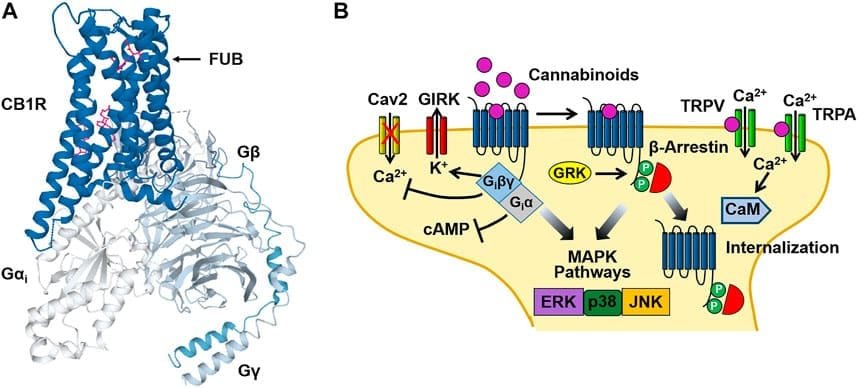
Like their major counterparts, minor cannabinoids interact primarily with the endocannabinoid system (ECS) – a complex network of receptors that regulates a wide range of physiological processes including mood, sleep, pain perception, immune function, and appetite.
Minor cannabinoids primarily bind to two receptor types:
- CB1 receptors – predominantly found in the brain and central nervous system, influencing mood, memory, and pain perception
- CB2 receptors – primarily located in immune cells throughout the body, regulating inflammation, immune response, and peripheral pain signals
Some minor cannabinoids, such as CBG, also interact with additional receptor systems including serotonin and adrenergic receptors, giving them a broader mechanism of action than their concentration alone might suggest. This multi-receptor activity is a key reason researchers believe minor cannabinoids can address conditions that do not respond well to THC or CBD alone.
Types of Minor Cannabinoids and Their Potential Benefits
Cannabinoid | What It Is | How It Works | Key Differences | Potential Benefits* |
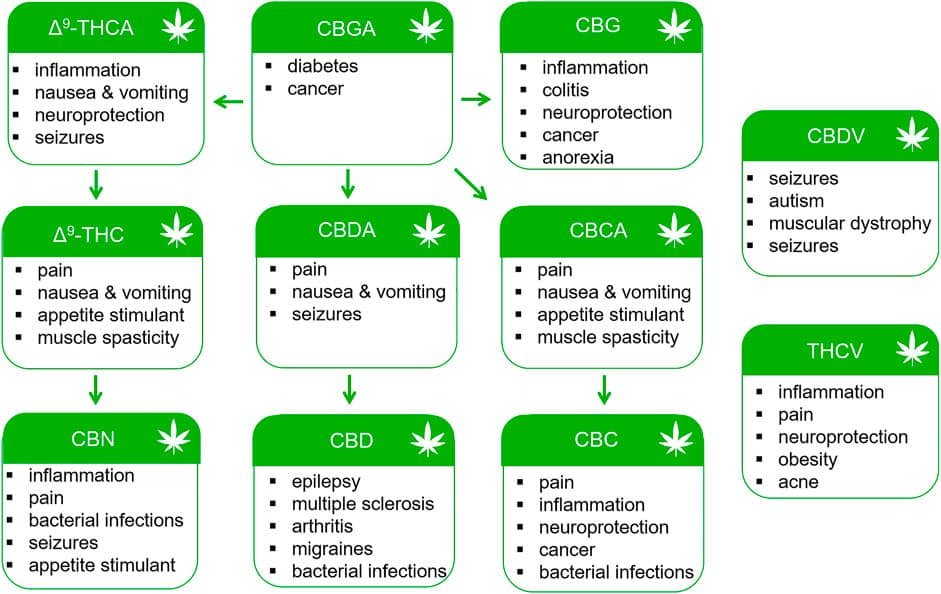
CBG (Cannabigerol) | Also known as the “mother cannabinoid” –it’s the precursor to other cannabinoids | Interacts with both CB1 and CB2 receptors, plus serotonin and adrenergic receptors | Non-intoxicating, often called the building block of other cannabinoids | Antibacterial properties, neuroprotection, appetite stimulation, anti-inflammatory effects |
CBN (Cannabinol) | Produced from the degradation of THC through oxidation and heat exposure | Mildly psychoactive, binds to CB1 and CB2 receptors but with lower efficacy than THC | About 25% as potent as THC, found in higher concentrations in aged cannabis | Sleep promotion, sedative effects, pain relief, appetite stimulation |
CBC (Cannabichromene) | Non-intoxicating cannabinoid derived from Cannabigerolic Acid (CBGA) | Acts on CB2 receptors and Transient Receptor Potential channels involved in pain and inflammation | No psychoactive effects, works synergistically with other cannabinoids | Anti-inflammatory, antibacterial, antidepressant effects, potential acne treatment |
THCV (Tetrahydrocannabivarin) | Structural analog of THC with shorter propyl chain | More therapeutic effects and low psychoactive effects | Appetite suppressing rather than stimulating, clear-headed effects | Weight management, diabetes support, anti-inflammatory properties |
Other (THCB, CBDa, etc.) | Various acidic and neutral forms of cannabinoid compounds including precursor compounds | Diverse mechanisms of interacting with body including enzyme inhibition and receptor modulation | Many retain properties of parent compounds or offer unique profiles | Antioxidant properties, potential therapeutic applications under research |
Why Are Minor Cannabinoids Important?
In the Cannabis industry, minor cannabinoids are targeted for their therapeutic effects, particularly those benefits that major cannabinoids cannot provide alone. By carefully including these cannabinoids, manufacturers can offer more personalized wellness approaches.
Minor cannabinoids can enhance overall therapeutic benefits, working synergistically with major cannabinoids through the “entourage effect.”
These compounds make products possible, allowing consumers specific outcomes without strong psychoactive effects.
Research suggests minor cannabinoids can address conditions that don’t respond well to traditional THC or CBD treatments.
Minor Cannabinoids vs. Terpenes
Minor cannabinoids should not be confused with terpenes. While present in trace amounts, these cannabinoids can still directly interact with the body’s endocannabinoid system, producing therapeutic effects.
Terpenes are aromatic compounds that add flavor and scent to cannabis plants. They can potentially modulate cannabinoid effects with their own subtle therapeutic properties, but not by interacting with the ECS.
Where Can You Find Minor Cannabinoids?
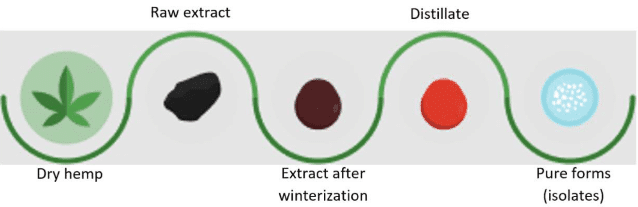
Minor cannabinoids occur naturally in small amounts, but you can find them in:
- Hemp and cannabis plants (raw form).
- Extracts and isolates (CBG oils, CBN tinctures, THCV edibles).
- Full-spectrum products that combine multiple cannabinoids for a broader effect.
With advancements in cannabis processing, these cannabinoids are becoming more available in wellness products.
Are Minor Cannabinoids Legal?
In the United States, minor cannabinoids derived from hemp plants (cannabis plants containing less than 0.3% delta-9 THC by dry weight) are generally federally legal under the 2018 Agriculture Improvement Act, commonly known as the Farm Bill.
However, legality is nuanced and varies by state. Some states have enacted restrictions on specific cannabinoids regardless of their source. THCV, for instance, may be subject to different rules in certain jurisdictions due to its structural similarity to THC.
Internationally, regulations vary significantly. In the UK and EU, CBD and hemp-derived cannabinoids occupy a complex legal grey area, and specific minor cannabinoids may be classified differently depending on jurisdiction.
Always verify the current legal status of specific cannabinoids in your state or country before purchasing. The FDA has not approved most minor cannabinoids as dietary supplements or medicines.
Conclusion
Minor cannabinoids can be considered the next frontier in cannabis science. These compounds offer new targeted therapeutics and benefits that complement the well-known effects of THC and CBD.
With more research, their unique properties and potential applications are becoming more evident. Understanding what minor cannabinoids are is becoming essential for anyone interested in the full therapeutic spectrum of cannabis. From CBG’s neuroprotective qualities to CBN’s sleep-promoting effects, minor cannabinoids have the potential to transform how we approach cannabis-based wellness.
FAQs
Both CBG and CBD interact with receptors involved in anxiety regulation, but through different pathways. CBD is currently better supported by clinical evidence for anxiety. CBG shows promise due to its interaction with serotonin receptors, but more human trials are needed. It is best to consult a healthcare professional for personalised guidance.
CBN (Cannabinol) binds to both CB1 and CB2 receptors in the endocannabinoid system, though with lower potency than THC. It is associated with sedative and sleep-promoting effects, mild pain relief, and appetite stimulation. It is produced naturally when THC degrades through oxidation and heat exposure.
At standard doses, THCV produces minimal psychoactive effects despite being structurally similar to THC. At higher doses it may produce mild psychoactivity. Unlike THC, THCV suppresses rather than stimulates appetite and tends to produce clearer-headed effects.