
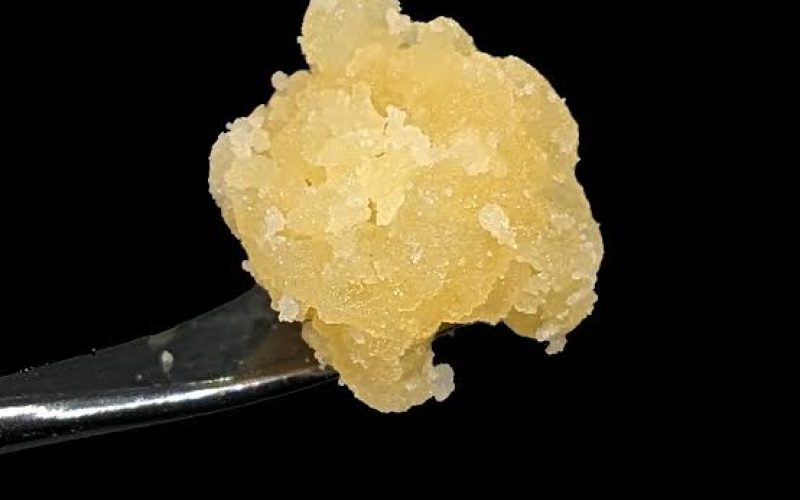
THCa crumble wax is a cannabis concentrate known for its dry, crumbly texture and high THCa concentration. For commercial processors, producing it consistently requires more than extraction. It depends on controlled processing, proper solvent removal, temperature management, reliable equipment, and quality testing.
This blog explains what THCa crumble wax is, how it is processed, what equipment is used, and which quality factors matter for commercial cannabis and hemp production facilities.
Sections
ToggleWhat Is THCa Crumble Wax?
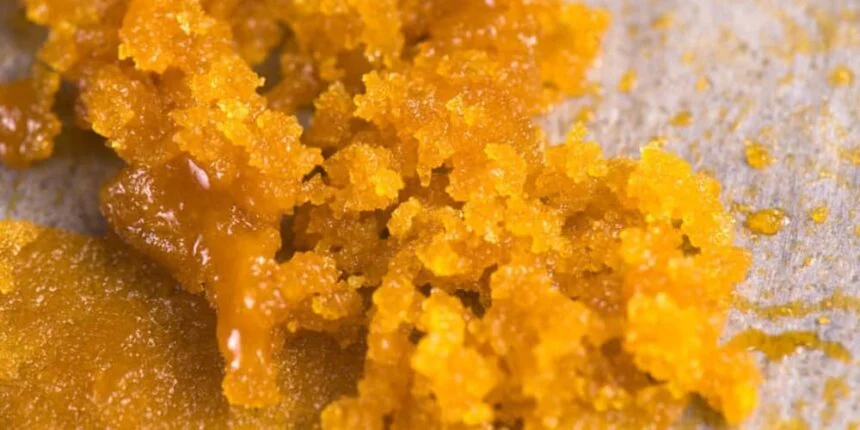
Image courtesy: apepremium.com
THCa crumble wax is a type of cannabis concentrate that contains high levels of tetrahydrocannabinolic acid, commonly known as THCa. THCa is the acidic cannabinoid found naturally in raw cannabis material.
The word “crumble” refers to the concentrate’s texture. Unlike shatter, which is usually hard and glass-like, crumble wax has a softer, drier, and more porous consistency. This texture is developed through controlled extraction, purging, drying, and post-processing conditions.
For processors, the goal is not only to create a crumbly texture. The final product also needs to meet quality, consistency, safety, and compliance expectations.
How Is THCa Crumble Wax Made?
Commercial THCa crumble wax production usually follows a controlled extraction and post-processing workflow. The exact process can vary depending on the facility, extraction method, input material, and regulatory requirements.
In most licensed production environments, the process includes:
- Starting material selection
- Cannabinoid and terpene extraction
- Filtration or refinement
- Solvent recovery
- Purging
- Texture development
- Quality testing
Each stage affects the final texture, potency, color, consistency, and overall quality of the concentrate.
1. Starting Material Selection
The quality of the starting cannabis or hemp material has a major impact on the final product. Processors typically evaluate input material for cannabinoid profile, moisture content, terpene profile, contamination risks, and overall biomass quality.
Poor-quality starting material can lead to lower yield, inconsistent texture, darker color, or additional refinement needs. For commercial facilities, consistent sourcing and proper material handling are important for repeatable results.
2. Cannabinoid and Terpene Extraction
Extraction separates cannabinoids, terpenes, and other target compounds from the plant material. Commercial processors may use different extraction systems depending on their facility setup, product goals, and compliance requirements.
Hydrocarbon extraction is commonly associated with concentrate production because it can preserve desirable compounds when performed under controlled conditions. However, the right extraction method depends on the processor’s workflow, safety systems, and desired output.
The extraction stage affects potency, yield, color, aroma profile, and texture potential. This makes equipment selection and process control especially important.
3. Filtration and Refinement
After extraction, the crude extract may need filtration or refinement to remove unwanted materials such as waxes, lipids, plant particles, or other impurities.
This step helps improve product consistency, stability, and appearance. In commercial processing, filtration also supports repeatability across multiple batches.
The level of refinement should match the product goal. Under-processing may leave unwanted compounds behind, while over-processing may affect the final profile.
4. Solvent Recovery and Purging
If a solvent-based extraction method is used, solvent recovery and purging are critical. Solvent recovery helps reclaim usable solvent from the extraction process, while purging helps remove residual solvent from the concentrate.
Vacuum ovens and controlled heat are commonly used during concentrate post-processing because they help remove volatile compounds at lower temperatures. This is important because excessive heat can affect sensitive compounds and alter the final product.
For THCa crumble wax, purging also affects texture. Time, temperature, vacuum level, and material thickness can influence whether the final concentrate becomes sticky, overly dry, or properly crumbly.
5. Texture Development
Crumble wax gets its structure from controlled post-processing. Agitation, drying, vacuum exposure, and temperature control can all influence the final consistency.
The desired result is a dry, porous, crumbly texture that remains stable after processing. If the process is not controlled properly, the final product may become oily, unstable, too dry, or inconsistent.
For commercial processors, texture development should be treated as a repeatable production step. Clear SOPs, trained operators, and reliable equipment help reduce batch variation.
Equipment Used in THCa Crumble Wax Processing
Producing THCa crumble wax at a commercial level requires a complete processing workflow, not just one machine.
Common equipment may include:
- Extraction systems
- Solvent recovery systems
- Filtration equipment
- Vacuum ovens
- Temperature control systems
- Pumps and chillers
- Collection vessels
- Storage and handling systems
- Laboratory testing equipment
- Facility safety and ventilation systems
Each part of the equipment setup supports consistency, efficiency, safety, and compliance.
Why Equipment Selection Matters?
Equipment selection directly affects production quality. A poorly matched system can create bottlenecks, longer purge times, inconsistent output, higher solvent loss, or unnecessary downtime.
For example, the extraction system should match the facility’s desired throughput. Vacuum ovens should provide reliable temperature and pressure control. Filtration systems should support the processor’s quality goals and workflow speed. Pumps, chillers, and support systems should be correctly sized for the operation.
For commercial processors, the goal is not just to make THCa crumble wax. The goal is to produce it consistently, safely, and efficiently at scale.
Key Quality Factors in THCa Crumble Wax Production
Processors should monitor several quality factors throughout production.
Cannabinoid Profile: Testing helps confirm that the final product aligns with the intended cannabinoid profile and potency range.
Residual Solvents: If solvents are used, residual solvent levels must meet applicable compliance limits. Proper purging and testing are essential. Most state testing programs base these compliance limits on USP General Chapter <467>, the residual solvent standard published by the U.S. Pharmacopeia, which classifies solvents like butane and propane by toxicity and sets the parts-per-million thresholds labs test against.
Texture Consistency: The product should have a stable, dry, crumbly structure. Texture variation may point to issues with purging, moisture, agitation, or temperature control.
Moisture Control: Moisture can affect stability, texture, and overall quality. Input material and post-processing conditions should be monitored carefully.
Color and Appearance: Color can be influenced by starting material, extraction conditions, filtration, heat exposure, and oxidation. While color alone does not define quality, major batch-to-batch variation can indicate process inconsistency.
Contaminant Testing: Licensed processors should test according to local regulatory requirements. This may include residual solvents, pesticides, heavy metals, microbial contaminants, or other required panels.
THCa Crumble Wax Processing Challenges and Corrective Actions
| Processing challenge | What it may indicate | Can it be corrected? | Corrective action |
|---|---|---|---|
| Inconsistent crumble texture | Temperature, vacuum, moisture, agitation, or input material variation | Sometimes | Review purge conditions, material thickness, agitation timing, operator steps, and starting material specifications |
| Product turns too sticky | Incomplete purging, excess moisture, high terpene content, or unstable post-processing conditions | Sometimes | Recheck vacuum performance, purge conditions, moisture control, storage conditions, and handling procedures |
| Product becomes too dry or powdery | Over-drying, excessive heat exposure, or aggressive post-processing | Sometimes | Adjust future drying time, heat exposure, agitation, and vacuum oven settings; the current batch may not fully recover |
| Residual solvent concerns | Incomplete solvent removal, poor purge efficiency, or inadequate vacuum performance | Depends on testing and regulations | Hold the batch, verify through lab testing, and follow compliant reprocessing, remediation, rejection, or disposal procedures |
| Batch-to-batch variation | Inconsistent input material, weak SOPs, manual variation, or equipment imbalance | Yes, mainly for future batches | Standardize input specs, document process settings, train operators, maintain equipment, and review the full workflow |
Not every poor crumble batch can be fully corrected after processing. Some issues can be improved if they are caught early and remain within compliant reprocessing limits. Other issues, such as contamination, failed residual solvent testing, oxidation, or degraded starting material, may not be recoverable.
For commercial processors, the best approach is prevention. Consistent input material, validated SOPs, reliable equipment, in-process checks, and final testing help reduce quality issues before they affect the finished product.
Scaling THCa Crumble Wax Production
Scaling production requires more than increasing batch size. Processors need to evaluate the entire workflow from input material handling to final testing.
Important scale-up considerations include:
- Equipment capacity
- Extraction throughput
- Solvent recovery speed
- Purging capacity
- Facility layout
- Labor requirements
- Safety systems
- Compliance documentation
- Testing protocols
- Maintenance schedules
A facility may have a strong extraction system but still experience bottlenecks during filtration, solvent recovery, or vacuum oven purging. For this reason, processors should evaluate the full production line before investing in new equipment.
How Root Sciences Supports Commercial Processing Workflows?
Root Sciences provides extraction, distillation, post-processing, and support solutions for cannabis and hemp processing facilities. For businesses producing concentrates like THCa crumble wax, the right equipment setup can help improve consistency, reduce downtime, and support scalable production.
Processors looking to build, upgrade, or optimize a concentrate production workflow should evaluate equipment based on throughput, process control, safety, compliance, maintenance needs, and long-term service support.
Frequently Asked Questions
1. Why does THCa crumble wax texture vary between batches?
Texture can vary because of differences in starting material, moisture content, extraction parameters, purge time, vacuum level, temperature, and operator technique. Commercial processors can reduce variation by using clear SOPs, consistent equipment settings, reliable input material, and proper post-processing controls.
2. Can a poor batch of THCa crumble wax be fixed?
Some issues may be improved if caught early, especially texture problems linked to purge settings, moisture, or process control. However, not every batch can be recovered. Contamination, failed testing, oxidation, or degraded starting material may require compliant reprocessing, rejection, or disposal.
3. How can processors scale THCa crumble wax production?
Processors can scale production by matching equipment capacity to throughput goals, improving solvent recovery, increasing purging capacity, standardizing SOPs, and optimizing facility layout. Scaling should focus on the full workflow, not just the extraction system, to avoid bottlenecks and quality issues.
4. Is THCa crumble wax legal to manufacture in the USA?
Legality depends on the source material and applicable state laws. Hemp-derived THCa products occupy a complex regulatory space at the federal level. Processors should consult legal counsel and their state’s cannabis or hemp regulatory authority before beginning production. That space is about to get narrower where a federal law signed in November 2025 redefines hemp using a ‘total THC’ standard that folds THCA into the calculation, with enforcement beginning November 12, 2026, a shift expected to reclassify most current high-THCA hemp products as marijuana under federal law.
5. Does THCa crumble wax need total THC testing?
Yes. Most regulated markets require total THC testing as part of a compliant COA. Processors should confirm which cannabinoid panels are required under their applicable state or federal hemp and cannabis regulations.
6. What should be included on a THCa crumble wax COA?
A compliant COA typically includes cannabinoid profile, residual solvents, pesticides, heavy metals, and microbial contaminants. Required panels vary by jurisdiction, so processors should verify testing requirements with their licensed laboratory and regulatory authority.
7. What packaging and labeling are required for THCa crumble wax?
Packaging and labeling requirements differ by state. Generally, commercial processors must include cannabinoid content, batch or lot number, manufacturer details, and applicable warnings. Always confirm requirements with your state’s cannabis or hemp regulatory body.
Final Thoughts
THCa crumble wax production requires controlled extraction, careful post-processing, proper solvent removal, and consistent quality checks. For commercial processors, the equipment behind the process plays a major role in product consistency, operational efficiency, and scalability.
A strong workflow should focus on quality input material, reliable extraction systems, controlled purging, stable texture development, and verified testing. With the right equipment and process design, licensed cannabis and hemp processors can produce THCa crumble wax more consistently and efficiently at commercial scale.