
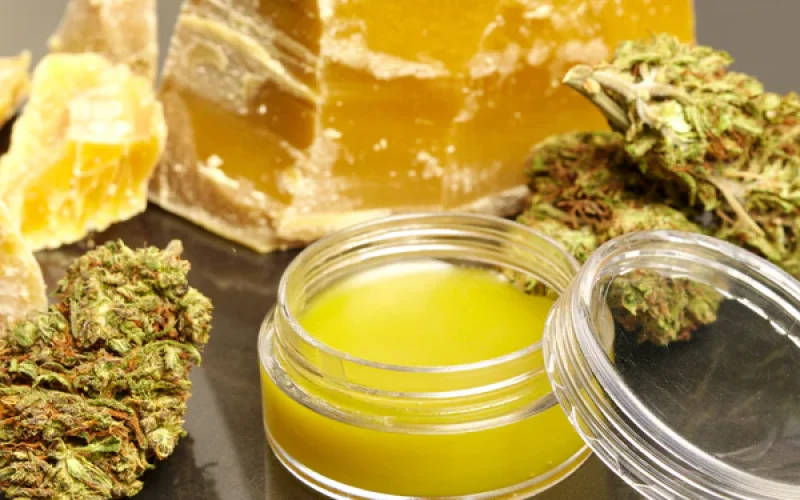
Cannabis extraction has become more advanced, more specialized, and more competitive. Today, producers can choose from several extraction and refinement methods depending on the final product they want to create. Three of the most commonly compared options are BHO, CO2 oil, and distillate.
Each one has a different purpose.
BHO is often valued for strong terpene preservation and flavorful concentrate production. CO2 extraction is known for its clean processing reputation and tunable extraction conditions. Distillate is recognized for high cannabinoid purity, consistency, and versatility in formulated products.
So when comparing BHO vs CO2 vs distillate, the real question is not always which one is better. The better question is which one is better for a specific product goal.
This guide explains how BHO, CO2 oil, and distillate differ, where each one performs best, and what producers should consider when choosing an extraction or refinement path.
Sections
ToggleWhat Is BHO?
BHO stands for butane hash oil. It is a cannabis concentrate made using butane, and sometimes propane or a hydrocarbon blend, to extract cannabinoids and terpenes from cannabis plant material.
In professional facilities, BHO is produced using closed-loop extraction systems. These systems are designed to contain and recover the solvent during processing. After extraction, the crude oil is usually purged under controlled heat and vacuum to remove residual solvent.
BHO is commonly associated with concentrates such as:
- Live resin
- Shatter
- Wax
- Budder
- Crumble
- Sauce
- Diamonds and sauce
One of the biggest reasons producers use BHO is terpene preservation. Hydrocarbon extraction can be effective at capturing volatile aromatic compounds, especially when fresh frozen cannabis is used for live resin production.
This gives BHO a strong position in the market for flavorful, strain-specific, full-spectrum concentrates.
What Is CO2 Extraction?
CO2 extraction uses carbon dioxide as the extraction solvent. Under specific pressure and temperature conditions, CO2 can enter a supercritical state, where it behaves with properties of both a liquid and a gas.
In this state, CO2 can move through cannabis material and extract cannabinoids, terpenes, and other plant compounds. After extraction, pressure changes allow the CO2 to separate from the extract. The CO2 can often be recycled within the system.
CO2 extraction is commonly used for:
- Vape oils
- Tincture-style extracts
- Full-spectrum oils
- CBD extracts
- THC extracts
- Botanical extracts
- Formulated cannabis products
CO2 extraction is often described as clean because CO2 does not leave the same type of residual hydrocarbon concern associated with butane or propane. However, CO2 systems can be expensive, technical, and slower than some hydrocarbon systems.
The strength of CO2 extraction is control. By adjusting pressure and temperature, processors can influence which compounds are extracted and how the final oil behaves.
What Is Distillate?
Distillate is not exactly an extraction method in the same way BHO and CO2 extraction are. It is a refined cannabis oil created after an initial extraction step.
A processor may start with crude oil extracted through CO2, ethanol, hydrocarbon, or another method. That crude extract is then refined through processes such as winterization, filtration, decarboxylation, and distillation.
Distillation separates compounds based on boiling points under controlled heat and vacuum. The result is a highly purified oil that is rich in specific cannabinoids such as THC or CBD.
Distillate is commonly used in:
- Vape cartridges
- Tinctures
- Topicals
- Softgels
- Formulated cannabis products
- Infused product manufacturing
Distillate is popular because it is consistent, potent, and easy to formulate. However, it usually contains fewer natural terpenes than full-spectrum extracts unless terpenes are added back after refinement.
A 2026 chemical engineering study on short-path distillation of hemp extracts confirms this trade-off directly, finding that while the process could recover 97% of CBD from a crude ethanolic extract, the majority of terpenes were stripped out during the stripping stage before refinement even began.
BHO vs CO2 vs Distillate: Quick Comparison
| Factor | BHO | CO2 Oil | Distillate |
|---|---|---|---|
| Main category | Solvent-based extraction | Solvent-based extraction using CO2 | Refined cannabis oil |
| Main solvent / process | Butane, propane, or hydrocarbon blend | Supercritical or subcritical CO2 | Distillation after extraction |
| Terpene profile | Often high, especially in live resin | Moderate to good, depending on process | Usually low unless terpenes are added back |
| Purity | High when properly processed | High when properly processed | Very high cannabinoid concentration |
| Flavor | Often strong and strain-specific | Cleaner and milder | Neutral unless flavored or re-terpened |
| Equipment cost | Moderate to high | High | High refinement equipment required |
| Processing complexity | Requires strict solvent safety controls | Requires pressure and temperature control | Requires refined post-processing knowledge |
| Best for | Live resin, wax, shatter, sauce | Oils, cartridges, full-spectrum extracts | Consistent formulated products |
| Main advantage | Flavor and terpene retention | Clean, tunable extraction | Potency and consistency |
| Main limitation | Hydrocarbon safety and residual solvent concerns | Cost and technical learning curve | Less natural full-spectrum character |
Key Difference 1: Extraction Method
The biggest difference between BHO, CO2, and distillate is how they are made.
BHO is made by passing hydrocarbons through cannabis material to dissolve cannabinoids and terpenes. After extraction, the solvent is removed through purging.
CO2 oil is made by using pressurized carbon dioxide to extract desired compounds. The CO2 is then separated from the extract through pressure changes.
Distillate is made after extraction. It is a refined oil created by further processing crude extract to isolate and concentrate cannabinoids.
This means BHO and CO2 describe extraction methods, while distillate describes a refined final oil.
Key Difference 2: Terpene Retention
Terpenes are aromatic compounds that influence the smell, flavor, and character of cannabis extracts.
BHO is often preferred when terpene retention is a priority. This is especially true for live resin, where fresh frozen cannabis is extracted to preserve more of the plant’s original aroma profile.
CO2 extraction can also preserve terpenes, but it depends heavily on the system, parameters, and post-processing. Some CO2 oils have a clean and balanced profile, while others may lose more volatile terpenes during processing.
Distillate usually has the lowest natural terpene content because it goes through more refinement. Distillation focuses on cannabinoid purity, and many terpenes are removed or separated during the process. If a distillate product has strong flavor, it is often because terpenes were added back later.
Simple takeaway:
BHO is often best for flavor. CO2 can offer a balanced extract. Distillate is best for consistency and potency, not natural terpene preservation.
Key Difference 3: Purity and Refinement
All three options can produce high-quality cannabis extracts, but they define purity differently.
BHO purity depends on extraction quality, purging, filtration, and testing. A well-made BHO extract can be clean, potent, and terpene-rich.
CO2 oil is often valued for its clean extraction profile and lack of hydrocarbon residue. However, it may still require winterization or refinement depending on the final product.
Distillate is the most refined of the three. It is processed to concentrate cannabinoids and remove many other plant compounds. This makes it highly consistent, but it also means it may not retain the same full-spectrum character as BHO or some CO2 oils.
If the goal is maximum cannabinoid concentration, distillate usually wins. If the goal is a broader plant profile, BHO or CO2 oil may be a better fit.
Key Difference 4: Safety and Compliance
Safety is one of the most important differences in the BHO vs CO2 vs distillate discussion.
BHO uses flammable hydrocarbons, so it requires professional closed-loop equipment, proper ventilation, compliance controls, trained operators, and strict safety procedures. Open blasting or informal hydrocarbon extraction is dangerous and should not be treated as a safe production method.
Fire-safety engineers rank hydrocarbon extraction as the highest-risk cannabis process for exactly this reason, that butane and propane have flash points below −76°F, meaning they can form explosive atmospheres at virtually any working temperature, which is why these rooms require hazardous-location classification and dedicated gas detection systems.
CO2 extraction avoids flammable hydrocarbon solvents, which is one reason many producers view it as a cleaner and safer method. However, CO2 extraction still involves high-pressure equipment, which requires training, maintenance, and safety protocols.
Distillate production depends on the extraction source and refinement process. The safety profile depends on how the crude oil was made, how it was refined, and whether the final oil is properly tested.
For all three, lab testing is essential. Testing may include:
- Cannabinoid potency
- Terpene profile
- Residual solvents
- Pesticides
- Heavy metals
- Microbial contaminants
- Mycotoxins
The safest product is not determined by the extraction name alone. It depends on equipment, process control, compliance, and third-party testing.
Key Difference 5: Cost and Scalability
BHO can be efficient and cost-effective for producing flavorful concentrates at scale, especially when the facility already has compliant hydrocarbon extraction infrastructure. However, safety requirements and facility design can add significant cost.
CO2 extraction equipment is often expensive upfront. It can also require more technical experience to optimize. However, CO2 can be recycled within the system, and it is attractive for producers who want a cleaner extraction platform.
Distillate production can be scalable, but it requires additional refinement equipment and process expertise. The benefit is consistency. Once dialed in, distillate can be produced with repeatable cannabinoid levels, which is valuable for formulated products.
Cost depends on:
- Equipment investment
- Facility compliance
- Labor
- Throughput
- Solvent recovery
- Energy use
- Input material quality
- Post-processing requirements
- Testing requirements
There is no single cheapest option for every producer. The best choice depends on the business model and product category.
BHO: Pros and Cons
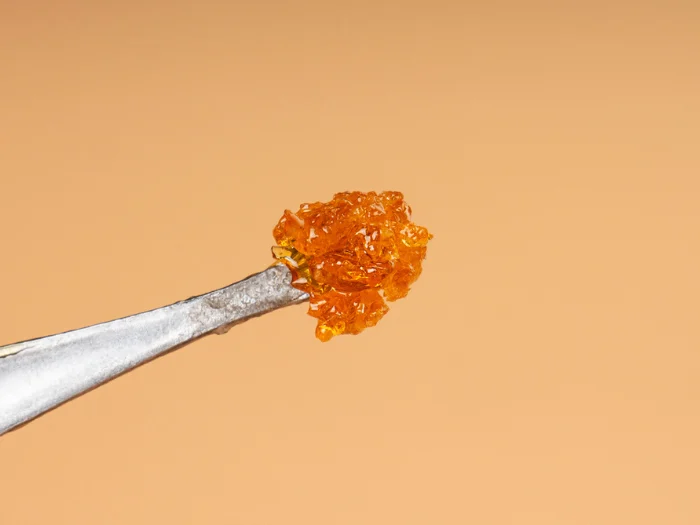
Image Courtesy: www.usalab.com
Pros of BHO
BHO is known for producing flavorful and aromatic concentrates. It works well for live resin and other products where terpene preservation matters. It can also produce a wide range of textures, including shatter, wax, budder, crumble, sauce, and diamonds.
BHO can be efficient for commercial production when operated in a compliant closed-loop system. For brands focused on premium concentrate menus, BHO remains an important extraction method.
Cons of BHO
The biggest concern with BHO is safety. Butane and propane are flammable, so hydrocarbon extraction must be handled in professional facilities with proper equipment and trained operators.
Residual solvent testing is also critical. A properly made BHO product should meet regulatory standards, but poor processing can create quality and safety concerns.
BHO is best suited for operators with strong technical knowledge and compliant infrastructure.
CO2 Oil: Pros and Cons
Pros of CO2 Oil
CO2 extraction is often valued for its clean reputation, tunability, and ability to extract cannabinoids and other plant compounds without hydrocarbon solvents. It can produce oils suitable for vape cartridges, tinctures, and formulated products.
Because CO2 is not flammable like butane or propane, many producers view it as a safer solvent choice. CO2 systems can also recycle the solvent, which may support long-term operational efficiency.
Cons of CO2 Oil
CO2 extraction systems can be expensive and technical. They require pressure control, temperature control, operator training, and process optimization.
CO2 oil may also require additional refinement depending on the product goal. Some CO2 extracts can lose volatile terpenes or need terpene reintroduction for stronger aroma and flavor.
CO2 is a strong choice for clean oil production, but it is not always the best option for highly aromatic live resin-style products.
Distillate: Pros and Cons
Pros of Distillate
Distillate is popular because it is potent, consistent, and versatile. It can be used across many product categories because it has a predictable cannabinoid profile and a neutral base.
For manufacturers, this consistency is valuable. Distillate makes it easier to formulate products with specific cannabinoid targets.
Distillate is also usually lighter in flavor and aroma, which can be useful when a neutral extract is preferred.
Cons of Distillate
The main drawback is that distillate is highly refined. It usually lacks the natural terpene profile and broader plant character found in less refined extracts.
If flavor is added back, the final profile may depend on the quality and source of the added terpenes.
Distillate is excellent for consistency, but it may not satisfy buyers looking for a full-spectrum or strain-specific concentrate experience.
Which Is Better: BHO, CO2, or Distillate?
There is no universal winner. The best choice depends on the goal.
Choose BHO if the goal is terpene-rich concentrates, live resin, strong aroma, and a wide range of concentrate textures.
Choose CO2 oil if the goal is a clean extraction process, tunable cannabinoid extraction, and oil suitable for cartridges, tinctures, or full-spectrum formulations.
Choose distillate if the goal is high cannabinoid concentration, neutral flavor, consistent potency, and easy formulation.
A simple way to explain it:
- BHO is best for flavor-focused concentrates.
- CO2 is best for clean, tunable oil extraction.
- Distillate is best for purified and consistent cannabinoid oil.
Best Use Cases for Each Extract Type
Best Uses for BHO
BHO is often best for products where terpene profile, aroma, and texture matter. This includes live resin, sauce, diamonds, wax, shatter, budder, and crumble.
It is especially useful when working with fresh frozen cannabis and targeting premium concentrate consumers.
Best Uses for CO2 Oil
CO2 oil is often used for vape cartridges, tinctures, softgels, full-spectrum oils, and wellness-style formulations.
It is a good fit for producers who want a clean extraction platform and are willing to invest in technical process control.
Best Uses for Distillate
Distillate is often used in formulated products that require consistent potency. It works well as a base extract because it is refined, predictable, and usually neutral in flavor.
It is commonly used where precise cannabinoid concentration matters more than preserving the full original plant profile.
BHO vs CO2 vs Distillate for Commercial Producers
For commercial producers, the decision should not be based only on popularity. It should be based on product strategy.
A premium concentrate brand may prioritize BHO because live resin and terpene-rich extracts can stand out in the market.
A wellness-focused brand may prefer CO2 oil because of its clean extraction reputation and compatibility with oils and tinctures.
A large-scale manufacturer may choose distillate because it offers consistency, potency, and flexibility for product formulation.
Before choosing a method, producers should evaluate:
- Target product category
- Local regulations
- Equipment cost
- Facility requirements
- Operator training
- Solvent handling rules
- Testing requirements
- Desired terpene profile
- Desired cannabinoid purity
- Throughput goals
- Brand positioning
The right extraction choice should support the final product, not just the production process.
Common Misconceptions
Misconception 1: CO2 is always better than BHO
CO2 has advantages, but it is not always better. BHO can be superior for terpene-rich concentrates and live resin-style products when produced safely and professionally.
Misconception 2: Distillate is the same as CO2 oil
Distillate can be made from CO2-extracted crude oil, but it is not the same thing as CO2 oil. Distillate is a refined oil created through post-processing and distillation.
Misconception 3: BHO is unsafe by definition
Poorly made BHO can be unsafe, but professional closed-loop hydrocarbon extraction with proper testing and compliance can produce high-quality extracts.
Misconception 4: Distillate is always the highest quality extract
Distillate can be highly pure and potent, but quality depends on the intended use. For flavor and full-spectrum character, a less refined extract may be more desirable.
Frequently Asked Questions
What is the main difference between BHO, CO2, and distillate?
BHO uses hydrocarbons such as butane or propane to extract cannabinoids and terpenes. CO2 extraction uses pressurized carbon dioxide. Distillate is a refined cannabis oil made after initial extraction and further purification.
Is BHO stronger than CO2 oil?
BHO can be very potent, but strength depends on the product and lab results. CO2 oil can also be potent. Distillate usually has the highest cannabinoid concentration because it is more refined.
Is CO2 extraction cleaner than BHO?
CO2 extraction is often considered cleaner because it does not use flammable hydrocarbon solvents. However, clean final product quality depends on proper equipment, processing, and lab testing.
Why does distillate have less flavor?
Distillate is highly refined, and many natural terpenes are removed during processing. Flavor can be added back later with cannabis-derived or botanical terpenes.
Which extract has the best terpene profile?
BHO, especially live resin made from fresh frozen cannabis, is often known for strong terpene preservation. CO2 oil can also retain terpenes, but results depend on process settings. Distillate usually has fewer natural terpenes.
Which is best for vape cartridges?
All three can be used in cartridge-style products, but they offer different results. BHO live resin cartridges focus on flavor. CO2 cartridges focus on clean oil extraction. Distillate cartridges focus on potency and consistency.
Which is best for commercial extraction?
It depends on the business goal. BHO is strong for premium concentrates, CO2 is strong for clean oil extraction, and distillate is strong for consistent formulated products.
Final Thoughts
BHO, CO2 oil, and distillate each have a place in cannabis extraction and manufacturing. BHO is often best for terpene-rich concentrates and live resin products. CO2 extraction is useful for clean, tunable oil production. Distillate is ideal when producers need high cannabinoid purity, neutral flavor, and consistent potency.
The best choice depends on the final product.
For flavor-focused concentrates, BHO may be the strongest option.
For clean extraction and full-spectrum oils, CO2 may be the better fit.
For consistent and highly refined cannabinoid products, distillate is often the most practical choice.
When comparing BHO vs CO2 vs distillate, producers should focus on product goals, safety, compliance, testing, equipment, and brand positioning. The right method is the one that creates the best final product for the intended market.