
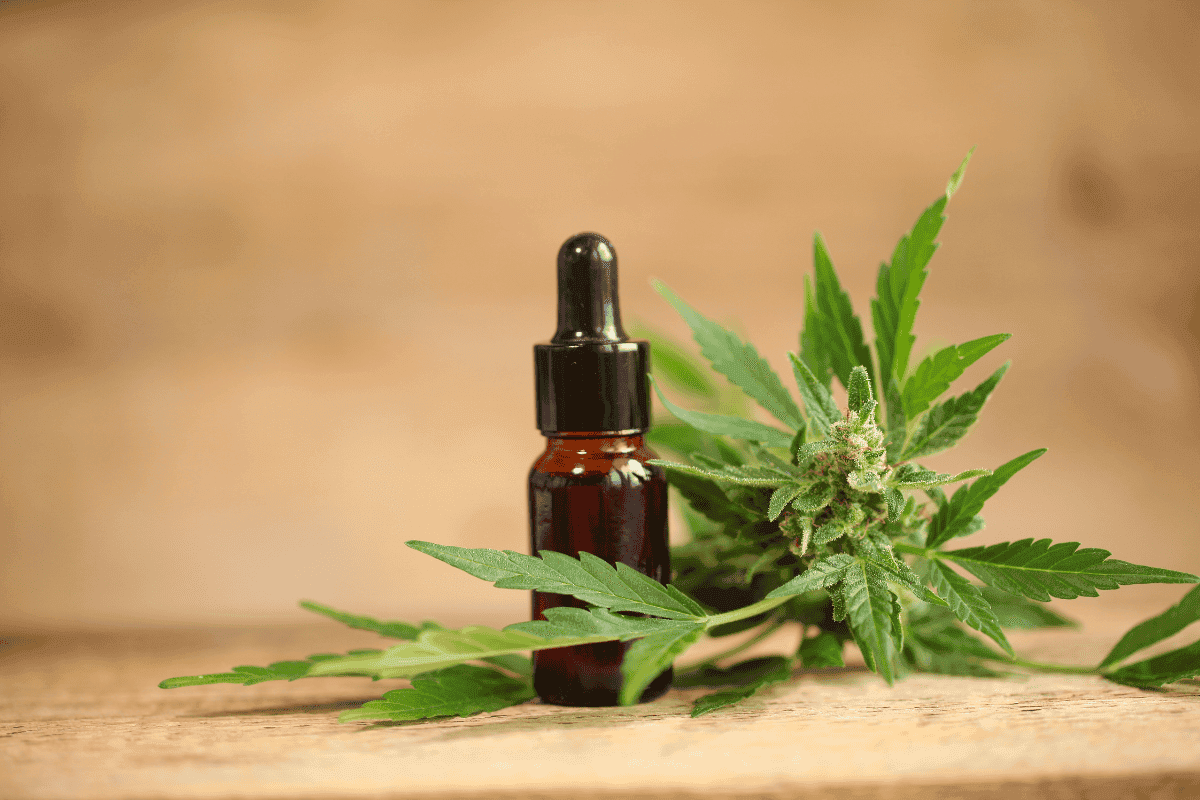
Cannabis oil extraction is the process of isolating cannabinoids like THC and CBD, along with terpenes and other active compounds, from the cannabis plant to create a concentrated product.
But not all extraction methods are the same.
The technique used can significantly impact the final product’s potency, flavor, purity, safety, and cost. Some methods are designed for large-scale commercial production, while others are simple enough for home use.
In this guide, you’ll learn the most effective cannabis oil extraction methods, how each one works, and which option is best based on your needs.
Sections
ToggleWhat Is Cannabis Oil Extraction?

Cannabis oil extraction involves removing resin from the plant’s trichomes, the small, crystal-like structures that contain cannabinoids and terpenes.
The result is a concentrated oil that is significantly more potent than raw cannabis flower.
Cannabis Oil vs. Cannabis Extract
These terms are often confused, but they are slightly different:
- Cannabis oil refers to any oil infused with cannabis compounds, including edible oils.
- Cannabis extract refers specifically to concentrated products created through extraction methods.
Why Does the Extraction Method Matter?
Different methods produce different results.
- Potency: Some methods reach up to 99% cannabinoids
- Terpene preservation: Impacts flavor and effects
- Purity: Determines presence of waxes or solvents
- Cost: Ranges from $0 to $500,000+
- Final product: Oil, wax, shatter, rosin, or distillate
Solvent-Based vs. Solventless Extraction
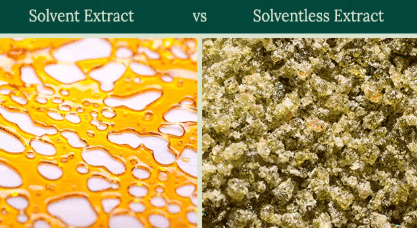
There are two main types of cannabis oil extraction methods.
Solvent-Based Extraction
Uses chemicals like CO2, ethanol, or hydrocarbons to dissolve cannabinoids.
- Higher efficiency
- Better for large-scale production
- Requires proper purging
Solventless Extraction
Uses heat, pressure, or mechanical separation.
- No chemicals
- Safer and cleaner
- Slightly lower yields
All Cannabis Oil Extraction Methods Explained
Below are the most widely used cannabis oil extraction methods today.
1. CO2 Extraction (Supercritical and Subcritical)
CO2 extraction uses pressurized carbon dioxide to pull cannabinoids and terpenes from cannabis.
Supercritical vs. subcritical: Supercritical CO2 operates at higher temperature and pressure, making it more efficient and better at extracting a full range of compounds. Subcritical CO2 uses lower pressure and is gentler, which better preserves delicate terpenes but produces lower yields. Most commercial operations use supercritical.
How it works: CO2 is compressed into a supercritical state (both liquid and gas), passed through cannabis material, and then separated to leave behind pure oil.
Pros:
- No toxic residue
- Highly precise and adjustable
- Ideal for medical-grade products
Cons:
- Very expensive equipment
- Requires technical expertise
Best for: Commercial CBD oil, pharmaceutical-grade extracts
2. Ethanol Extraction
Ethanol extraction uses alcohol to dissolve cannabinoids and other compounds.
How it works: Cannabis is soaked in ethanol, filtered, and then the alcohol is evaporated to leave crude oil.
Pros:
- Cost-effective
- Scalable
- Safe (food-grade solvent)
Cons:
- Extracts unwanted waxes and chlorophyll
- Requires post-processing
Best for: Full-spectrum oils, edibles, tinctures
3. Hydrocarbon Extraction (BHO / PHO)
Uses butane or propane to extract highly potent concentrates.
How it works: Liquefied gas passes through cannabis, dissolves resin, then is purged out.
Pros:
- Extremely potent
- Excellent terpene preservation
- Produces shatter, wax, live resin
Cons:
- Highly flammable
- Requires closed-loop systems
- Not safe for home use
Best for: Dabs, live resin, high-potency concentrates
4. Rosin Pressing (Solventless)
Rosin extraction uses heat and pressure only.
How it works: Cannabis is pressed between heated plates to squeeze out oil.
Pros:
- No solvents
- Simple and safe
- Great terpene retention
Cons:
- Lower yield
- Requires quality starting material
Best for: Home users, premium solventless products
5. Ice Water / Bubble Hash Extraction
Uses cold water and agitation to separate trichomes.
How it works: Cannabis is mixed with ice water, agitated, and filtered through mesh bags.
Pros:
- Chemical-free
- High-quality full-spectrum extract
- Ideal for live hash
Cons:
- Labor-intensive
- Lower yield
Best for: Hash and live rosin production
6. Dry Sift / Kief Extraction
A simple mechanical method.
How it works: Cannabis is rubbed over screens to collect trichomes.
Pros:
- Very low cost
- No chemicals
- Easy to do at home
Cons:
- Lower potency
- Less refined
Best for: Basic home use
7. Olive Oil Extraction (DIY)
The simplest extraction method.
How it works: Cannabis is first decarboxylated (heated in an oven to activate the cannabinoids), then simmered in olive oil to infuse those compounds into the oil.
Pros:
- Safe and beginner-friendly
- No special equipment
Cons:
- Very low potency
- Short shelf life
- Cannot be concentrated
Best for: Edibles and topical use
8. Steam Distillation
An older extraction technique.
How it works: Steam passes through cannabis and carries volatile compounds that are later condensed.
Pros:
- No solvents
- Simple process
Cons:
- Low cannabinoid yield
- Degrades terpenes
Best for: Terpene extraction only
Cannabis Oil Extraction Methods Compared
| Method | Solvent | Potency | Safety | Cost (Approx) | Best For |
| CO2 | Yes | Very High | High | $100K – $500K+ | Medical |
| Ethanol | Yes | High | Medium | $20K – $80K | Full-spectrum |
| BHO | Yes | Very High | Low | $20K – $100K | Dabs |
| Rosin | No | Medium | Very High | $200 – $5K | Solventless |
| Bubble Hash | No | Medium | Very High | $50 – $2K | Hash |
| Dry Sift | No | Low | Very High | $0 – $200 | Home |
| Olive Oil | No | Low | Very High | $0 | Edibles |
| Steam | No | Very Low | High | $500 – $10K | Terpenes |
Which Method Produces Which Product?
- Vape oil: CO2 / Ethanol
- Shatter / wax: BHO
- Rosin: Rosin press
- Hash: Ice water extraction
- Edibles: Ethanol / Olive oil
What Happens After Extraction?
Most extracts require refinement before they are ready to use or sell.
1. Winterization
Removes waxes and fats using cold ethanol. This step matters because waxes and lipids from the plant can make the final oil cloudy, affect its taste, and reduce its bioavailability. Removing them produces a cleaner, smoother product.
2. Decarboxylation
Applies heat to activate THC and CBD. Raw cannabis contains THCA and CBDA, which are the acidic precursors to active cannabinoids. Without decarboxylation, the extract will not produce the expected effects.
3. Distillation
Separates cannabinoids for high purity, up to 99%. This produces distillate, the base for most vape cartridges and edibles.
4. Purging
Removes leftover solvents from extracts using heat and vacuum. This is essential for solvent-based methods to ensure the final product is safe to consume.
Which Cannabis Oil Extraction Method Is Best?
There is no single best method.
- Best for commercial use: CO2 or ethanol
- Best for home use: Rosin or olive oil
- Best for flavor: Live rosin or live resin
- Best for purity: CO2 + distillation
Safety Considerations
- BHO is the most dangerous method
- Ethanol is flammable but manageable
- CO2 is safe but requires pressure control
- Solventless methods are safest
Never attempt hydrocarbon extraction at home.
Is Cannabis Extraction Legal?

Laws vary by region.
- Hemp extraction is legal in many places
- Marijuana extraction is regulated at state level
- Always check local regulations before extracting cannabis.
Quality Testing After Extraction
High-quality products include a Certificate of Analysis (COA), a third-party lab report that verifies the product’s contents. When reviewing a COA, look for:
- Cannabinoid levels
- Terpene profile
- Residual solvents
- Pesticides
Conclusion: Choosing the Right Cannabis Oil Extraction Method
There is no single best cannabis oil extraction method. The right choice depends on your goal, budget, and level of experience.
CO2 and ethanol extraction are best suited for commercial production because they offer consistency and scalability. Hydrocarbon extraction is ideal for producing high-potency concentrates like wax and shatter. For home users, solventless methods such as rosin pressing and ice water extraction are safer and easier to use.
If your priority is purity, CO2 extraction is the best option. If you want efficiency at scale, ethanol works well. If you prefer a chemical-free approach, solventless methods are the most suitable.
Understanding these cannabis oil extraction methods helps you choose the right process and ensures better quality, safety, and results.