
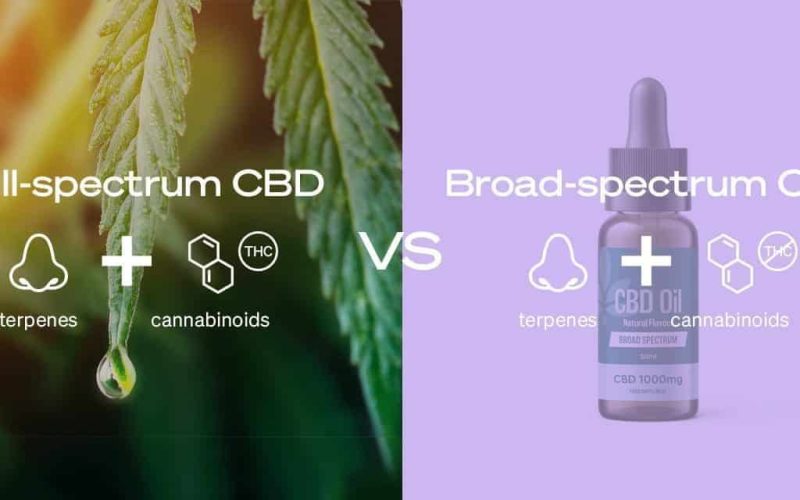
Full spectrum vs broad spectrum CBD comes down to one key difference: THC. Full spectrum CBD contains the complete hemp extract, including CBD, minor cannabinoids, terpenes, flavonoids, and trace THC up to 0.3%. Broad spectrum CBD contains many of the same hemp compounds, but the THC has been removed through additional refinement.
That difference affects potency, drug testing risk, product formulation, and who each extract is best for.
Full spectrum CBD is usually chosen by people who want the strongest entourage effect and are comfortable with trace THC. Broad spectrum CBD is usually chosen by people who want a THC-free CBD product while still keeping more plant compounds than CBD isolate.
Key takeaway
Full spectrum CBD contains all plant compounds including trace THC (up to 0.3%).
Broad-spectrum CBD removes all detectable THC while preserving other cannabinoids and terpenes.
Neither is universally better. The right choice depends on your THC sensitivity, goals, and circumstances.
Sections
ToggleWhat Are the Different CBD Spectrums? (Full, Broad and Isolate)
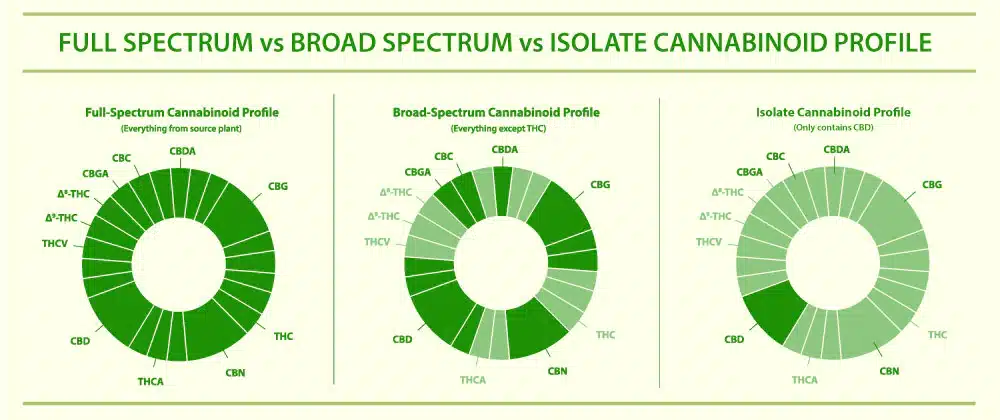
Hemp plants contain hundreds of naturally occurring compounds, including cannabinoids, terpenes, and flavonoids. When manufacturers extract CBD from hemp, they can choose how many of those compounds to retain. That choice produces three distinct product categories:
- Full spectrum CBD: Retains all naturally occurring cannabinoids, terpenes, flavonoids, and up to 0.3% THC. The 0.3% THC ceiling is set by the 2018 Farm Bill and is the federal legal threshold for hemp-derived products.
- Broad-spectrum CBD: Retains cannabinoids, terpenes, and flavonoids but removes all detectable THC through additional processing. Designed for people who want the benefits of multiple plant compounds without any THC exposure.
- CBD isolate: Pure cannabidiol with all other plant compounds stripped away. A crystalline powder that is typically 99% or more pure CBD. No terpenes, no THC, no other cannabinoids.
What Is Full Spectrum CBD? Benefits, THC Content and Uses
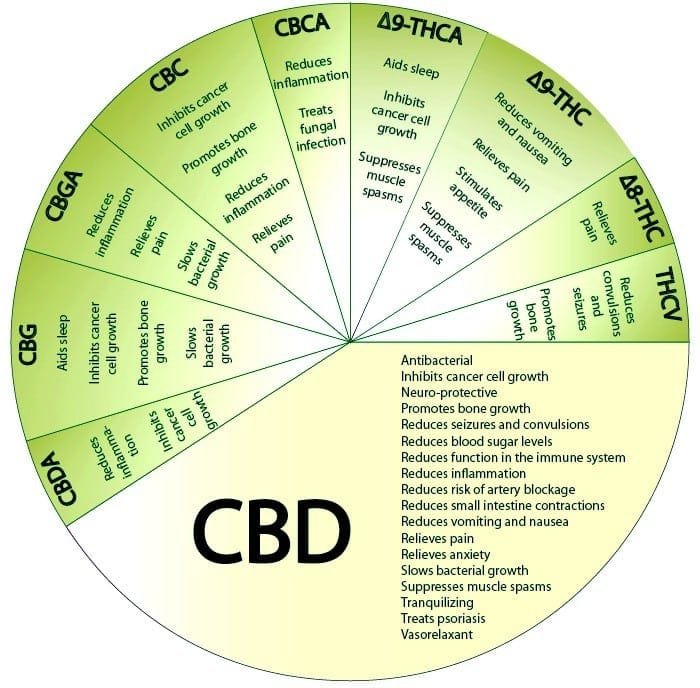
Full spectrum CBD is the least processed form of hemp extract. It is produced by extracting cannabinoids and plant compounds from hemp with minimal refinement, preserving the plant’s original compound ratios as closely as possible.
What compounds does it contain?
- Cannabidiol (CBD) as the primary cannabinoid
- Minor cannabinoids including CBG (cannabigerol), CBN (cannabinol), and CBC (cannabichromene)
- Terpenes such as myrcene, limonene, and linalool
- Flavonoids, which are plant compounds with antioxidant properties
- THC at or below 0.3% by dry weight, the federal legal limit for hemp
The entourage effect: why full spectrum may work better
The entourage effect is the theory that cannabis compounds produce stronger, more balanced therapeutic effects when they work together than when any single compound is used alone. It was formally described by researcher Ethan Russo in a landmark 2011 paper in the British Journal of Pharmacology, which documented how cannabinoids and terpenes appear to modulate each other’s activity in the body.
Because full spectrum CBD retains the complete compound profile, it offers the maximum potential for this synergistic effect. This is the primary argument for choosing full spectrum over other options, particularly for users managing chronic conditions.
Who is full spectrum CBD best for?
- People who have tried broad-spectrum or isolate products without satisfactory results
- Users managing chronic pain, persistent anxiety, or sleep disorders where full compound synergy may be beneficial
- Individuals who do not face drug testing requirements at work or in sport
- Those living in states where THC-containing hemp products are fully legal
What Is Broad-Spectrum CBD? Definition, Benefits and THC Status
Broad-spectrum CBD sits between full spectrum and isolate. Manufacturers start with a full extract and then apply additional processing steps, typically chromatography or targeted distillation, to remove all detectable THC while leaving the other cannabinoids, terpenes, and flavonoids intact.
Does broad-spectrum CBD have THC?
No. Broad-spectrum CBD products are processed specifically to eliminate all detectable THC. While trace amounts theoretically below the detection threshold of standard lab testing may technically be present in some products, a correctly manufactured and third-party tested broad-spectrum CBD product will show zero THC on a certificate of analysis (COA).
If you are considering broad-spectrum CBD because of drug testing concerns, always request the COA from the manufacturer before purchasing. A credible brand will make this document readily available.
Who is broad-spectrum CBD best for?
- People who are subject to workplace or sports drug testing
- Those with sensitivity to THC, including people who experience anxiety or discomfort from even trace THC amounts
- Users in states with stricter cannabis regulations who want to stay clearly within legal boundaries
- First-time CBD users who want the benefits of multiple plant compounds without THC as a variable
Full Spectrum vs Broad Spectrum CBD: Quick Comparison
| Question | Full Spectrum CBD | Broad Spectrum CBD |
|---|---|---|
| Does it contain CBD? | Yes | Yes |
| Does it contain THC? | Yes, up to 0.3% THC | No detectable THC |
| Does it contain minor cannabinoids? | Yes, it may contain CBG, CBN, CBC, and others | Yes, it may contain CBG, CBN, CBC, and others |
| Does it contain terpenes? | Yes, when properly processed | Yes, when properly processed |
| Entourage effect potential | Highest, because THC remains part of the extract | Moderate to high, but without THC contribution |
| Drug testing risk | Higher, because trace THC may build up with regular use | Lower, if the COA confirms no detectable THC |
| Processing level | Less refined, closer to the original hemp extract | More refined because THC is removed |
| Best for | Users who want the full hemp profile and are comfortable with trace THC | Users who want THC-free CBD with more compounds than isolate |
| Not ideal for | People who are THC-sensitive or drug tested | People who want the complete hemp profile including THC |
| Main quality concern | THC must stay within the legal limit | THC removal should not strip away useful cannabinoids and terpenes |
How THC is removed from broad spectrum CBD
Broad spectrum CBD is made by taking hemp extract and removing THC through additional refinement. The goal is to reduce THC to non-detectable levels while preserving CBD, minor cannabinoids, terpenes, and other useful compounds.
Common THC removal methods include:
1. Chromatography
Chromatography separates cannabinoids based on their chemical properties. It allows processors to target THC while preserving other cannabinoids when performed correctly.
This is one of the most precise methods for producing broad spectrum CBD.
2. Distillation
Distillation separates compounds using heat, vacuum pressure, and boiling point differences. It can concentrate cannabinoids and remove unwanted compounds, but it requires careful control to avoid degrading sensitive terpenes or losing minor cannabinoids.
Why the process matters
Not all broad spectrum CBD is equal. If THC removal is too aggressive, the final extract may lose many of the compounds that make it broad spectrum in the first place.
A high-quality broad spectrum extract should show three things on its COA:
No detectable THC
Accurate CBD potency
A retained cannabinoid and terpene profile
This is the real difference between a strong broad spectrum product and a weak one.
Full spectrum vs broad spectrum CBD: which is stronger?
Full spectrum CBD is often considered stronger because it contains THC along with CBD, terpenes, and minor cannabinoids. Even in trace amounts, THC may contribute to the entourage effect.
Broad spectrum CBD may still be effective, but it does not include THC. That means it may have slightly less entourage effect potential than full spectrum CBD.
However, stronger does not always mean better.
Broad spectrum CBD may be the better choice if the user wants clear-headed daily use, THC-free formulation, or lower drug testing risk. Full spectrum CBD may be better if the user wants the most complete hemp profile and is comfortable with trace THC.
Pros and Cons: Full Spectrum vs Broad-Spectrum CBD
Full spectrum CBD: benefits and drawbacks
Benefits | Drawbacks |
Maximum entourage effect from complete compound profile | Trace THC can trigger positive drug test results |
Closest to the hemp plant’s natural compound ratios | THC-sensitive individuals may experience side effects |
Potentially more effective for chronic or severe conditions | Subject to stricter regulations in some US states |
Less processing means typically lower production cost | Not suitable for people in drug-tested professions |
Broad-spectrum CBD: benefits and drawbacks
Benefits | Drawbacks |
Zero detectable THC, safe for most drug testing situations | Partial entourage effect only: no THC synergy |
Retains cannabinoids and terpenes for partial entourage effect | Additional processing can increase product cost |
Widely legal and suitable for drug-tested professionals | More complex manufacturing process |
Good starting point for THC-sensitive users and beginners | May be less effective than full spectrum at equivalent doses |
Full Spectrum vs Broad-Spectrum CBD: Drug Testing Explained
Drug testing is one of the most important practical considerations when choosing a CBD product, and the answer differs clearly by spectrum type.
- Full spectrum CBD and drug tests: Full spectrum products contain up to 0.3% THC. Standard workplace and sports drug tests screen for THC metabolites, specifically THC-COOH, which the body produces when processing THC. Even at 0.3%, regular use of full spectrum CBD can accumulate enough THC metabolites to trigger a positive result on commonly used urine tests. If you are subject to any form of drug testing, full spectrum CBD carries real risk.
- Broad-spectrum CBD and drug tests: A correctly manufactured broad-spectrum product with a COA confirming zero THC should not cause a positive drug test result. However, no manufacturer or retailer can guarantee a negative test result because individual metabolism, test sensitivity thresholds, and product quality all vary. If your employment or athletic status depends on a clean test, verify the COA and consider consulting with the testing body about their threshold levels.
- CBD isolate and drug tests: The lowest-risk option for drug testing purposes, since it contains only CBD and no other cannabinoids.
Important note on drug testing
No CBD product can guarantee a negative drug test result. THC metabolite buildup depends on individual body fat percentage, frequency of use, metabolism rate, and the sensitivity threshold of the specific test being administered. If drug testing is a concern, always consult a medical professional and the testing administrator before using any CBD product.
What to Look for When Buying: COA and Third-Party Testing
Regardless of which spectrum you choose, the single most important thing you can do as a buyer is request and read the certificate of analysis (COA) for any product you consider purchasing.
A COA is a document produced by an independent third-party laboratory that details the exact compound profile of a specific product batch. A credible COA will show:
- Confirmed CBD potency (so you know exactly how much CBD you are getting per dose)
- THC level (zero for broad-spectrum, at or below 0.3% for full spectrum)
- Terpene profile if relevant to your purchase decision
- Absence of pesticides, heavy metals, and residual solvents
- The testing laboratory name, which should be accredited and independent from the manufacturer
If a company does not make its COAs easily accessible, treat that as a significant red flag.
How to Choose the Right CBD Spectrum for Your Needs
Three questions will guide you to the right answer:
1. Are you subject to drug testing?
If yes, choose broad-spectrum CBD with a COA confirming zero THC, or CBD isolate. Do not use full spectrum CBD if a positive drug test would affect your employment, professional standing, or athletic eligibility.
2. What condition or goal are you addressing?
For chronic pain, persistent anxiety, or sleep disorders where you want the strongest possible therapeutic effect, full spectrum CBD offers the complete compound profile and maximum entourage effect potential. For daily wellness maintenance, stress management, or mild to moderate symptoms, broad-spectrum CBD provides multi-compound benefits without the THC variable.
3. Do you have THC sensitivity?
Some individuals experience anxiety, increased heart rate, or discomfort from THC even at the trace levels found in full spectrum products. If you have had a negative experience with cannabis in the past, broad-spectrum CBD or isolate is the safer starting point.
Quick decision guide
- Drug tested at work or in sport – Broad-spectrum or Isolate
- Chronic or severe condition, no drug test – Full spectrum
- New to CBD, want multi-compound benefits – Broad-spectrum
- Need absolute dosing precision, no other compounds – Isolate
- Experienced user wanting maximum effect – Full spectrum
Conclusion
The choice between full spectrum and broad-spectrum CBD comes down to three personal factors: your THC sensitivity, your therapeutic goal, and whether drug testing applies to your situation.
Full spectrum CBD delivers the complete hemp compound profile and the strongest potential entourage effect. It is the better choice for people with chronic conditions who want maximum benefit and are not subject to drug testing.
Broad-spectrum CBD removes all detectable THC while preserving the multi-compound benefits that make hemp extract more effective than isolate alone. It is the better choice for daily wellness users, beginners, and anyone who cannot risk a positive drug test.
Whichever you choose, prioritize products that provide independent third-party COA documentation. Transparency at the product level is the clearest signal of quality at the extraction level.
Frequently Asked Questions
No. Broad-spectrum CBD is specifically processed to remove all detectable THC. A credible product will have a COA from an independent laboratory confirming zero THC before purchase.
It can. Standard drug tests screen for THC metabolites, and regular use of full spectrum CBD can accumulate detectable levels even at 0.3% THC. If you are subject to drug testing, choose broad-spectrum CBD with a confirmed zero-THC COA, or CBD isolate.
Full spectrum is generally considered more potent at equivalent doses because the presence of THC, even at trace levels, contributes to the entourage effect. However, ‘stronger’ is not always better. The right product depends on your goal and sensitivity, not maximum potency.
Broad-spectrum CBD is the recommended starting point for most beginners. It provides multiple plant compounds and partial entourage effect potential without introducing THC as a variable. Once you understand how CBD affects you personally, you can decide whether to move to full spectrum for a stronger effect.