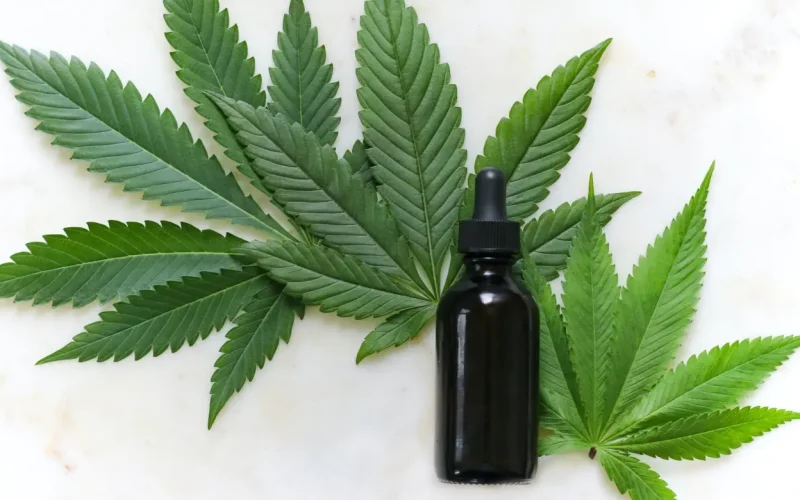
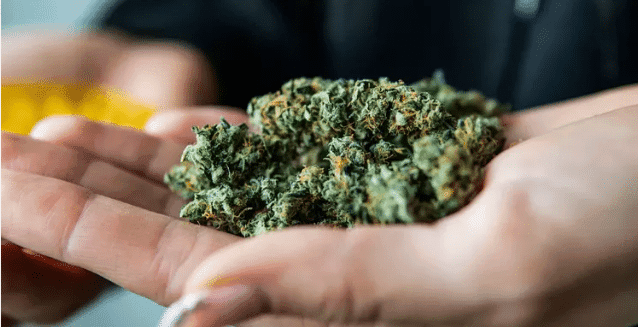
Cannabis products have a primary ingredient that defines their unique properties and potential benefits. The three predominant cannabinoids are HHC (hexahydrocannabinol), THC (tetrahydrocannabinol), and CBD (cannabidiol).
THC remains the most popular psychoactive compound, but CBD is also gaining mainstream acceptance for its therapeutic potential, and HHC is emerging as a potential cannabinoid with distinct characteristics. The choice between these can be confusing; that’s why, to better understand these cannabinoids, we created this HHC vs THC vs CBD guide.
Sections
ToggleWhat Are Cannabinoids?

Cannabinoids are naturally occurring chemical compounds found in the cannabis plant. These compounds can interact with the human body’s endocannabinoid system due to their molecular structure. They can bind to cannabinoid receptors, influencing various physiological processes, including mood, pain perception, appetite, and immune function. With over 100 different cannabinoids identified, the cannabis industry is creating products with unique properties and potential therapeutic applications.
What is HHC?

HHC (hexahydrocannabinol) is a semi-synthetic cannabinoid created by adding hydrogen atoms to the THC molecule. The process is known as hydrogenation of THC, which makes HHC more stable than THC. In simple terms, HHC has a longer shelf life and resistance to heat and UV light degradation. This cannabinoid has milder psychoactive effects, typically between CBD and THC in intensity.
What is THC?

THC (tetrahydrocannabinol) is the primary psychoactive compound in cannabis. As the most popular and recognized cannabinoid, it is responsible for the characteristic “high” associated with marijuana use. THC binds directly to CB1 receptors, producing euphoric effects, resulting in altered perception and various therapeutic benefits.
What is CBD?

CBD (cannabidiol) is a non-psychoactive cannabinoid popular for its therapeutic potential without producing intoxicating effects. CBD does not bind directly to CB1 or CB2 receptors like THC, but influences the endocannabinoid system indirectly through various pathways. CBD is legal in most jurisdictions, a major advantage over THC, making it easier to offer CBD products to consumers, offering cannabis benefits without psychoactive effects.
HHC vs THC vs CBD: Key Differences

Feature | THC | HHC | CBD |
Chemical Nature | Natural cannabinoid occurring in cannabis plants | Semi-synthetic cannabinoid | Naturally occurring cannabinoid |
Psychoactive Effects | Strong psychoactive properties | Mild psychoactive effects | Non-psychoactive, majorly therapeutic |
Legality (General) | Federally illegal (varies by state) | Legal gray area | Legal when hemp-derived |
Medical Benefits | Pain, appetite, nausea relief | Limited research available | Anxiety, inflammation, seizures |
Potency | Highly psychoactive (varies by strain) | Moderate | Non-intoxicating |
Drug Test Detection | Detectable | Potentially detectable | Generally, not detectable |
Common Uses | Recreation, medical therapy | Legal THC alternative | Wellness, therapeutic |
Benefits of HHC vs THC vs CBD
When comparing THC vs HHC vs CBD, it is crucial to know the benefits of each.
HHC Benefits:

- Legal alternative to THC: Given the legal status issues of THC, HHC offers an alternative to create products with psychoactive effects in jurisdictions where THC remains prohibited.
- Enhanced stability: With a longer shelf life and resistance to degradation, HHC products are more stable compared to traditional THC products.
- Moderate psychoactive experience: It offers a balanced high that’s less intense than THC but more noticeable than CBD, offering a balanced entourage effect.
THC Benefits:

- Effective pain management: THC has proven efficacy for chronic pain, neuropathic pain, and cancer-related discomfort, offering several therapeutic effects.
- Appetite stimulation: A natural remedy to help patients with eating disorders, cancer, and other conditions overcome appetite suppression.
- Sleep aid properties: THC can help with mental health and assist with insomnia and sleep disorders through its sedating effects.
CBD Benefits:

- Anxiety and stress relief: With no psychoactive effects, CBD preserves all the therapeutic benefits of cannabinoids, proven to reduce anxiety symptoms without psychoactive side effects.
- Anti-inflammatory properties: Highly effective in managing inflammation-related conditions like arthritis and inflammatory bowel disease.
- Seizure control: FDA-approved for treating specific types of epilepsy and seizure disorders.
Similarities Between HHC, THC, and CBD
To better understand the comparison between CBD vs THC vs HHC, you need to understand the underlying similarities between these cannabinoids.
1. Derived from Cannabis: All three cannabinoids originate from the cannabis plant family. They share similar molecular structures and biosynthetic pathways that fall within the plant’s natural chemistry.
2. Endocannabinoid System Interaction: While all three cannabinoids take different pathways, each compound can interact with the body’s endocannabinoid system. Even with different mechanisms and receptor pathways, these cannabinoids influence physiological processes.
3. Therapeutic Potential: THC, CBD, and HHC have medical and wellness potentials. At the same time, THC and CBD have a lot of research signifying their benefits for pain management, mood disorders, and other health conditions. There’s ongoing research exploring the therapeutic benefits of HHC.
4. Entourage Effect: If combined together, the three cannabinoids synergistically work together to offer enhanced therapeutic effects. This is called the entourage effect, where compounds work better in combination than individually.
5. Tolerance Risks: Even with varying psychoactive natures, regular use of any of these cannabinoids can lead to tolerance. Therefore, moderation in use is necessary to maintain effectiveness over time.
How These Cannabinoids Are Used in Today's Industry
HHC vs CBD vs THC industry adoption depends on the end product goals.
HHC: Offers a safer alternative to THC due to relaxed jurisdiction restrictions. It can be used in vape cartridges, edibles, and tinctures as an alternative for consumers in states where THC remains illegal.
THC: Widely available as a controlled cannabis product via dispensaries as flower, concentrates, edibles, and topicals for both therapeutic and recreational use in legal markets.
CBD: Available in a wide range of wellness and therapeutic products in health stores, online, and pharmacies as oils, capsules, topicals, and food products for general wellness.
Potential Side Effects and Safety Considerations
HHC: There is limited information on the potential side effects of HHC due to insufficient clinical studies and recent market introduction. But due to psychoactive properties, there are potential risks.
THC: Due to its psychoactive nature, it can result in side effects such as anxiety, paranoia, dry mouth, red eyes, and impaired cognitive function, especially at higher doses.
CBD: A well-tolerated cannabinoid, CBD can cause mild side effects such as drowsiness and dry mouth for individuals with high sensitivity.
Conclusion
The detailed HHC vs THC vs CBD comparison makes it evident that even with similar origins and chemistry, the three cannabinoids offer unique benefits and applications. THC is still the gold standard for psychoactive effects with established medical applications, CBD is catching up, carving out a significant market as a non-psychoactive wellness compound, and HHC is emerging as a middle ground, offering mild psychoactive effects with potentially improved stability.

