
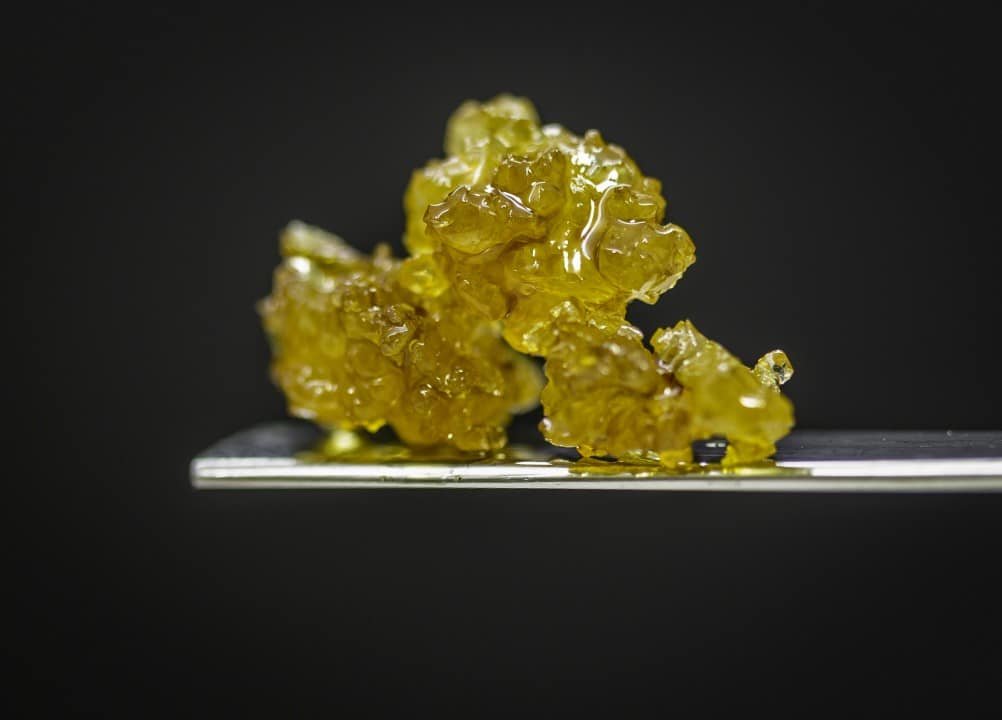
CO₂ extraction is often marketed or casually referred to as “solventless,” which has created confusion among consumers and professionals alike. While CO₂ extraction is considered one of the cleanest and safest extraction methods available today, it is not technically solventless.
In this article, we’ll clearly explain Is CO₂ Extraction Really Solventless?, why the confusion exists, and how it compares to truly solventless extraction methods so you can make informed decisions based on facts, not terminology.
Sections
ToggleShort Answer: Is CO₂ Extraction Solventless?
No, CO₂ extraction is not solventless.
Carbon dioxide acts as a solvent during the extraction process. When CO₂ is placed under specific temperature and pressure conditions, it becomes supercritical or subcritical and gains the ability to dissolve and extract compounds such as oils, cannabinoids, terpenes, and other active ingredients from plant material.
However, unlike traditional chemical solvents, CO₂ leaves no toxic residue, which is why it is often mistaken for being solventless.
What Does “Solventless Extraction” Actually Mean?
Solventless extraction refers to methods that do not use any chemical solvent to separate compounds from plant material. These techniques rely purely on mechanical force, temperature, or physical separation. This is why many Solventless Cannabis Extraction Methods Explained guides focus on techniques that never rely on a solvent to dissolve compounds.
Common solventless extraction methods include:
- Rosin pressing
- Ice water (bubble hash) extraction
- Dry sift techniques
In solventless extraction, compounds are separated without dissolving them in any solvent, making these methods fundamentally different from CO₂ extraction.
What Is CO₂ Extraction?
CO₂ extraction is a process that uses carbon dioxide as a solvent to extract desired compounds from raw materials. By carefully controlling temperature and pressure, CO₂ enters a supercritical or subcritical state, where it behaves like both a gas and a liquid.
In this state, CO₂ efficiently dissolves oils and bioactive compounds. Once extraction is complete, pressure is released, allowing CO₂ to return to a gaseous state and separate completely from the extracted material.
This process is widely used because it is:
- Highly controllable
- Scalable
- Safe for consumable products
Why CO₂ Extraction Is Often Mistaken as Solventless
The confusion around “CO₂ solventless extraction” exists for several reasons:
- CO₂ naturally evaporates after extraction
- No solvent residue remains in the final product
- CO₂ is non-toxic and food-grade
- The process is cleaner than hydrocarbon-based extraction
Because the solvent does not remain in the extract, many people assume CO₂ extraction is solventless, but from a technical standpoint, any substance that dissolves compounds during extraction is a solvent, including CO₂.
CO₂ Extraction vs Solventless Extraction
Understanding the differences between these methods helps clarify why CO₂ extraction is solvent-based, even though it’s exceptionally clean.
Solventless Extraction
- Uses no chemical solvents
- Relies on pressure, heat, or physical separation
- Typically smaller-scale
- Lower extraction yields
- Often preferred for artisanal or small-batch products
CO₂ Extraction
- Uses CO₂ as a solvent
- Highly scalable and industrial-friendly
- Offers precise control over extraction conditions
- Produces consistent, repeatable results
- Suitable for pharmaceutical-grade applications
This comparison also comes up often when labs weigh options like BHO Vs Solventless Extraction: Which is right for your lab? depending on throughput, desired consistency, and compliance requirements.
Advantages of CO₂ Extraction
Although it is not solventless, CO₂ extraction offers several key advantages that make it a preferred method across industries.
1. Superior Purity
CO₂ extraction produces clean extracts free from harmful solvent residues, meeting strict safety and regulatory standards.
2. High Efficiency and Consistency
Advanced control over temperature and pressure allows for targeted extraction and consistent batch-to-batch quality.
3. Environmentally Friendly
CO₂ is recyclable within closed-loop systems, minimizing waste and environmental impact.
4. Versatility in Applications
CO₂ extraction works effectively across a wide range of raw materials and product types.
Applications of CO₂ Extraction
Due to its safety, precision, and scalability, CO₂ extraction is widely used in multiple industries.
1. Pharmaceuticals
Used for isolating active compounds with high purity and regulatory compliance.
2. Nutraceuticals
Ideal for producing dietary supplements and botanical extracts without harmful residues.
3. Food and Beverage
Commonly used for flavor extraction, essential oils, and decaffeination processes.
4. Cosmetics
Preferred for extracting plant-based oils and actives used in skincare and personal care products.
Should CO₂ Extraction Be Called Solventless?
From a technical and scientific standpoint, CO₂ extraction should not be classified as solventless. While it is one of the cleanest extraction methods available, accuracy in terminology matters, especially for consumer education, regulatory clarity, and product labeling.
A more appropriate description would be:
- “CO₂-based extraction”
- “Clean solvent extraction”
- “Residue-free solvent extraction”
For readers exploring Cannabis Solventless Extraction Techniques, it also helps to separate CO₂ methods from true solventless approaches.
Conclusion
CO₂ extraction is not solventless, but it remains one of the safest, cleanest, and most efficient solvent-based extraction methods available today. Understanding this distinction helps consumers and businesses make better decisions without relying on misleading terminology.
Choosing between solventless and CO₂ extraction ultimately depends on factors such as scalability, consistency, yield, and application requirements, not just the label. If you are evaluating a Solventless Extraction Process for High-Quality Extracts, it is worth comparing outcomes against CO₂ extracts based on your product goals and production needs.
Many consumers also ask What Are Solventless Concentrates? and want to understand Different Types of Solventless Concentrates before deciding what fits their preferences. For example, one common question is What is Solventless Live Rosin?, which is often discussed alongside hash and rosin methods that avoid solvents entirely.