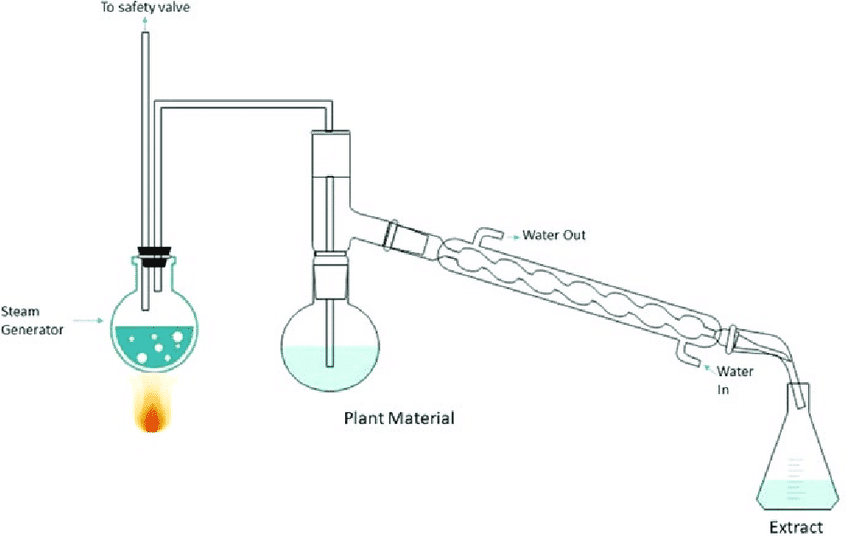
In the ever-growing cannabis, natural wellness, and hemp world, terpenes have taken the limelight. The aromatic compounds they are responsible for are responsible for distinctive flavors and scents ranging from zesty citrus to calming lavender and more. But how do we capture the delicate molecules to use in products like topical creams, edibles, and vapes? One of the purest and oldest methods to use is steam distillation. The steam-distilled terpenes are natural aromatic extracts obtained by using steam to separate the terpene oils from plant biomass. This is highly prized for producing solvent-free, clean, and authentic terpenes, making it a high standard for manufacturers and purists. The process further utilizes heated steam to volatize the fragrant compounds of the plant, condenses the vapor so that the terpenes can be separated from the water, thus offering a food-grade, solvent-free aromatic extract that is often used in vaping, aromatherapy, product R&D, and flavoring.
Sections
ToggleWhat Are Terpenes?
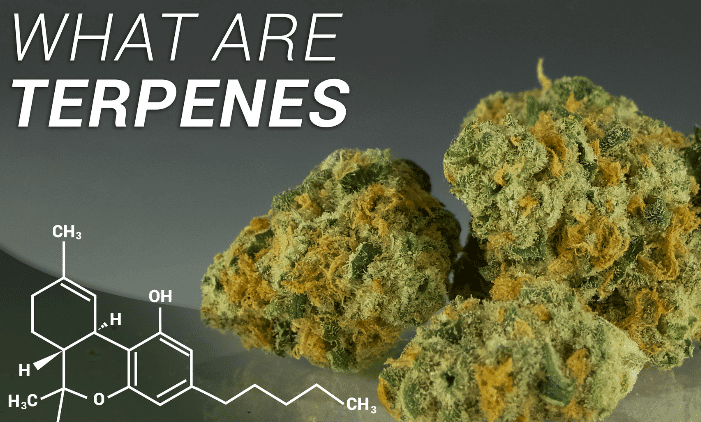
Terpenes are the volatile, small molecules produced by plants, which give them aromas such as lavender, citrus, and pine, and can further influence their biological responses. In hemp and cannabis, these terpenes contribute to the functional interactions as well as the scent in cannabinoids.
Common Terpenes Found in Cannabis & Hemp
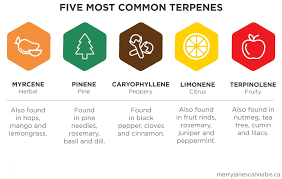
Below are some of the common terpenes that are found in hemp and cannabis:
- Myrcene- This is musky and earthy, reminding one of cloves. It is indeed the most common terpene and is also believed to have sedative, calming, and relaxing properties.
- Limonene- Bright and citrusy, it is found in the lemon rinds and is linked with good mood, stress relief, and antibacterial properties.
- Pinene- As the name suggests, it smells just like pine trees and is famous for its anti-inflammatory properties, also helps in improving memory and focus.
- Caryophyllene- This is characterized as peppery and spicy, and is recognized for its ability to interact with the body’s endocannabinoid system, also providing anti-inflammatory benefits.
- Linalool- This is floral as well as lavender-like and is known for its anti-anxiety and calming effects.
How Are Terpenes Extracted?
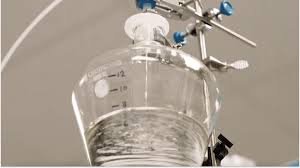
Terpenes are extracted using various methods, including steam distillation, solvent extraction, hydrodistillation, and CO2 extraction, among others.
Steam Distillation Process (Step-by-Step)
- Preparation of the plant material – Fried or fresh biomass, such as trim and flower, is loaded and then pre-treated to maximize the yield.
- Then the steam passes through biomass, releasing heat and lowering the vapour pressure, which in turn lowers the terpene boiling points, thus mobilizing the volatile oils.
- After that, the volatile terpenes travel along with the steam as vapour steam.
- Then, the vapour is cooled to form a liquid. The oil separates from the hydrosol and is collected as the steam-distilled terpenes.
- The process of steam distillation is solvent-free, direct, and widely used for extracting essential oils. But time and heat must be adequately controlled to avoid the loss or conversion of delicate compounds.
Other Extraction Methods
- CO2 extraction: This method utilizes pressurized carbon dioxide and can be tailored for specific compounds; however, it is an expensive and complex process.
- Solvent extraction: This method utilizes hydrocarbons, such as propane and butane, to strip terpenes and is highly efficient. However, it also requires purging to remove residual solvents.
- Hydrodistillation: This process is similar to steam distillation; however, the plant material is submerged in hot, boiling water, which degrades more heat-sensitive terpenes.
The Entourage Effect
The entourage effect explains how cannabinoids, terpenes, and other constituents work in synergy to modify the impact such as sedation, analgesia, and arousal. Terpenes can further influence the physiological and subjective effects of cannabinoid products. For instance, the terpene myrcene may increase the permeability of cell membranes, thus allowing for the easy absorption of cannabinoids.
Cannabis Steam-Distilled Terpenes vs. Hemp Steam-Distilled Terpenes
- Aroma profile: Cannabis cultivars yield a wide and strain-specific terpene fingerprint, and hemp varieties produce a floral/neutral citrus note as per the genetics. The cannabis derived terpenes are taken from high THC cannabis strains, providing a complex and authentic aroma that mimics strains like OG Kush or Sour Diesel. The hemp-derived terpenes are taken from high-CBD, legal, low-THC hemp plants, leading to a different, more earthy aroma profile.
- THC-related restrictions: Hemp-derived terpenes must comply with state and federal THC limits, and the regulatory activity is now changing how hemp products are actually treated.
- Product use cases: Hemp steam distillates are widely used in Delta-8 and CBD product flavors, as well as in various food applications. On the other hand, the cannabis derived terpenes are for strain-accurate vape cartridges and therapeutic uses wherever they are legally permitted.
Benefits of Steam-Distilled Terpenes
Let’s see some great benefits of steam distillation when it comes to terpenes-
1. High purity and clean extraction
The steam distillation process yields pure terpene oil, which is free from chlorophyll, plant wax, and other impurities.
2. No solvents
Being a solventless process, there is no risk of any residual chemical contaminants in the final product.
3. Perfect for food-grade and vape products
The process’s cleanliness makes it ideal for inhalation and ingestion, meeting the high safety standards.
4. Better preservation of delicate compounds
Controlled use of steam helps preserve the delicate aroma that high-heat methods can otherwise destroy.
5. Consistent aroma profile
When consistent biomass is used, steam distillation offers a repeatable and reliable terpene profile from batch to batch.
How to Use Steam-Distilled Terpenes
Cannabis/hemp product formulation- Add measured terpene blends to have strain-specific effects and aroma.
- Vapes and cartridges: Used at low concentrations for tuning the flavor, and they require proper regulatory vigilance.
- Edibles and beverages: The food-grade terpene and natural flavors are to be used within the GRAS limits.
- Aromatherapy: The distilled terpene functions like essential oils for all scent applications.
- Cosmetic formulations: Used in perfumes and topical products, they serve both as a source of fragrance and for synergistic effects.
Advantages of Buying Steam-Distilled Terpenes From a Trusted Supplier
1. Purity, testing and documentation
Reputable suppliers offer third-party lab reports that verify purity and confirm the absence of contaminants.
2. Consistency in aroma profile
The trusted suppliers ensure that every batch matches the expected aroma and flavor, which is also crucial for product formulation.
3. Source transparency
The trusted suppliers are obvious and straight about whether the terpenes are taken from hemp or cannabis and their specific strains.
4. Safety standards
Trusted suppliers operate in facilities that adhere to Good Manufacturing Practices (GMP) protocols, ensuring proper quality control and product safety.
How to Identify Reputable Suppliers
1. Look for COAs
It is essential to verify that you always obtain Certificates of Analysis from independent labs that are up to date.
2. ISO/GMP certified facilities
This shows a commitment to the highest levels of safety and quality in the production process.
3. Avoid mystery blends
Avoid suppliers that are not open and transparent about their terpene profiles or those that use artificial ingredients.
4. Clear sourcing details
The supplier you choose must be transparent about plant source, like “sourced from Oregon-grown hemp” etc.
All these checks are essential for protecting both product quality and legal compliance.
How to Store Steam-Distilled Terpenes?
The ideal temperature for storage is cool; refrigeration is recommended for long-term storage.
Light exposure: It is advisable to store in amber bottles or opaque containers to prevent degradation.
Additionally, limit oxidation by reducing the headspace and ensuring it is tightly sealed in air-tight containers.
As for shelf life, expect the best quality for 12-24 months, depending on the terpene and the way you store it.
Are Steam-Distilled Terpenes Safe?
The steam-distilled terpenes are recognized to be safe when used correctly. However, this safety also depends on dilution and application.
Inhalation vs. ingestion safety considerations: The terpenes are concentrated and should be diluted before use. Any undiluted terpenes may be irritating to the eyes, respiratory system, and skin.
Dilution – They are diluted to 1-5% in a carrier oil, such as MCT or a base product, for topical use or direct consumption, and 5-10% in the case of vape formulations.
Regulatory guidelines – For products intended for consumption, it is essential to use food-grade terpenes and adhere to local regulations.
Terpenes Legality
1. Hemp derived terpene legality
Tied to hemp’s ≤0.3% Δ9-THC standard historically, the recent bills and legislative proposals are changing the overall landscape. Terpenes extracted from hemp are federally legal in the US under the 2018 Farm Bill, as long as a licensed grower produced the hemp.
2. THC thresholds
The product THC limits and per container are still under debate. The legal definition relies on the THC content of the source material, not the terpene extract itself. Also, hemp must have less than 0.3% Delta 9 THC when weighing by dry weight.
3. State-wise changes
States may have stricter rules, such as labeling and bans, and it is therefore essential to check the state hemp and cannabis regulations before formulating or selling. While it is federally legal, state laws may vary. Some states have strict regulations regarding all hemp-derived products, so it is advisable to familiarize yourself with the local laws.
Conclusion
In all, steam-distilled terpenes provide a food-grade, solvent-free method for incorporating plant aromas into products for brands, researchers, and formulators. They are important for recreating the strain profiles as well as flavoring products, but legality, safety, and quality depend largely on testing, sourcing, and regulatory details.
For commercial usage, mainly inhalable products, it is crucial to prioritize the GMP, COAs practices as well as the state/federal guidance to stay safe. Steam distillation is a time-tested, effective, and pure process for capturing the true essence of the plant kingdom. By prioritizing products from reputable, trusted suppliers and adhering to correct usage and storage guidelines, you can harness the power and potential of these natural compounds.