
- Post-Processing Equipment
Equipment for Cannabis Post-Processing
Producing high-quality cannabis and hemp products goes beyond extraction. Root Sciences’ post-processing equipment helps processors improve purity, efficiency, and consistency with scalable solutions for distillation, winterization, membrane nanofiltration, THC remediation, isolation and crystallization, solvent recovery, and nanoemulsification
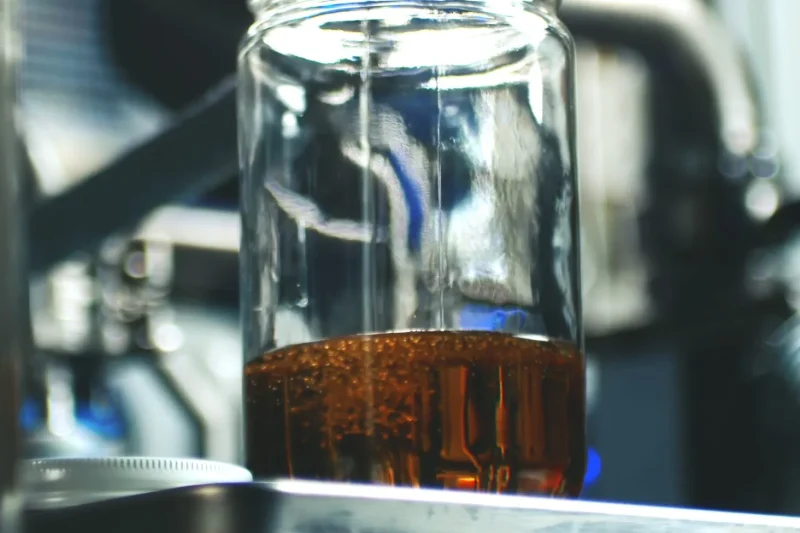
Why Post-Processing Matters
From Lab to Industrial Processing
Scale production with post-processing solutions designed to support evolving throughput and processing requirements.
01
Purity, Consistency & Efficiency
Refine cannabis and hemp extracts with proven technologies built to improve product quality, process control, and operational efficiency.
02
Expertise Behind Every System
Work with an experienced processing partner for equipment selection, integration, technical guidance, and ongoing support from startup through scale-up.
03
Our Post-Processing Equipment
Scalable Solutions for Cannabis & Hemp Refinement
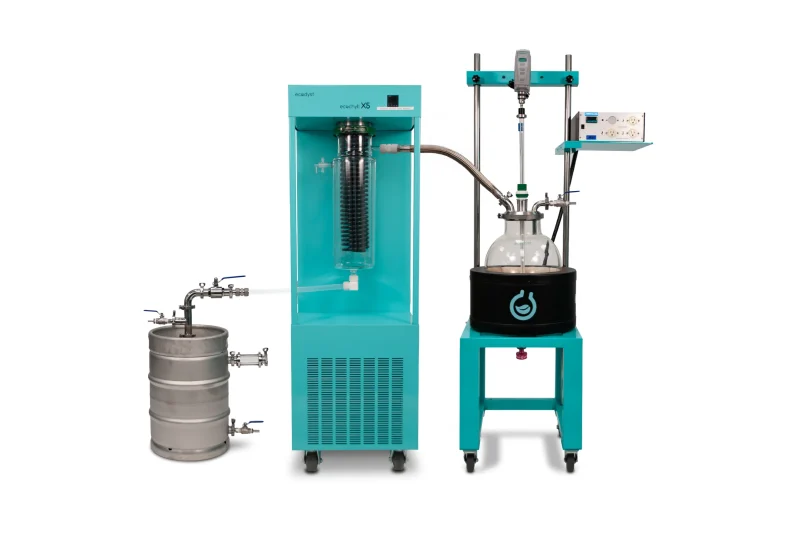
Efficient solvent recovery is essential for reducing operating costs, minimizing waste, and maintaining consistent extraction performance. Our solvent recovery and decarboxylation equipment helps cannabis and hemp processors reclaim valuable solvents while precisely activating cannabinoids for downstream refinement or formulation.
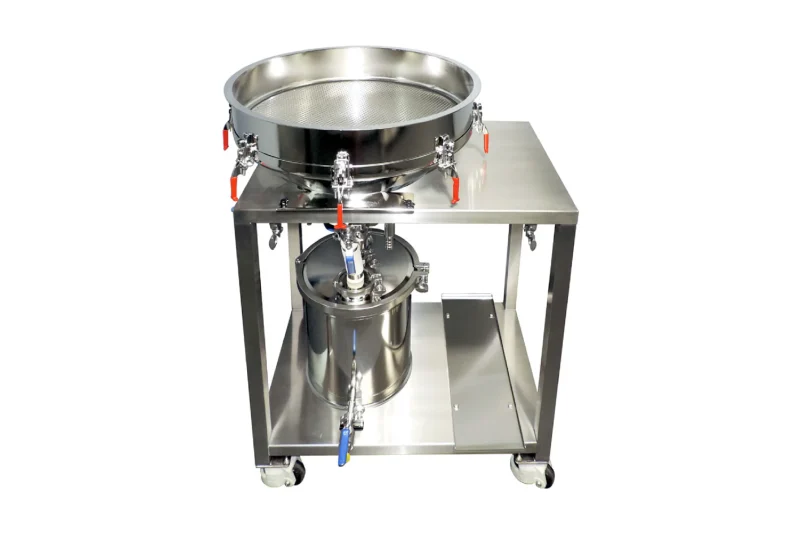
Removing fats, waxes, and lipids is a critical step in producing clean, high-quality cannabis and hemp extracts. Our winterization equipment streamlines this post-processing stage with efficient, high-throughput filtration that improves extract clarity while preserving valuable cannabinoids.
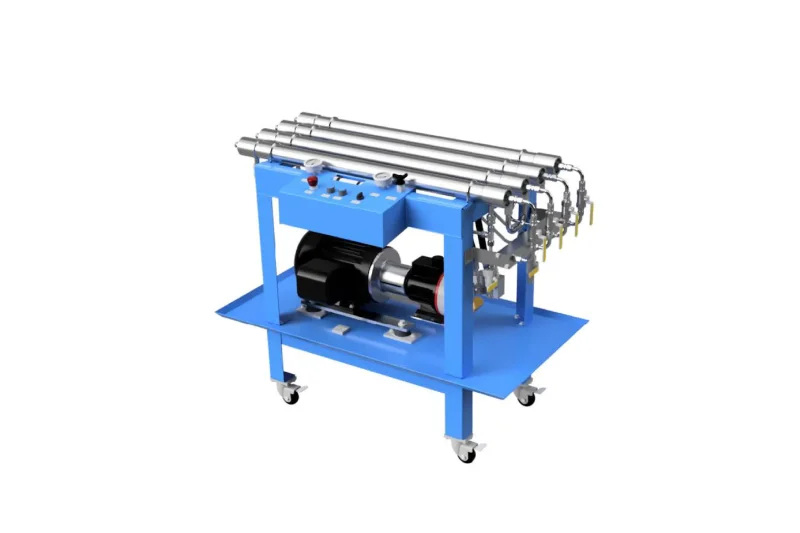
Unlike traditional heat-based methods, membrane nanofiltration uses pressure-driven separation to recover solvents, remove waxes, pigments, sugars, pesticides, and other unwanted compounds while preserving cannabinoid integrity. Our X-Spiral systems combine solvent recovery, in-line dewaxing, color remediation, and purification into a single low-temperature process, helping cannabis and hemp processors improve extract quality, reduce maintenance, and optimize production efficiency.
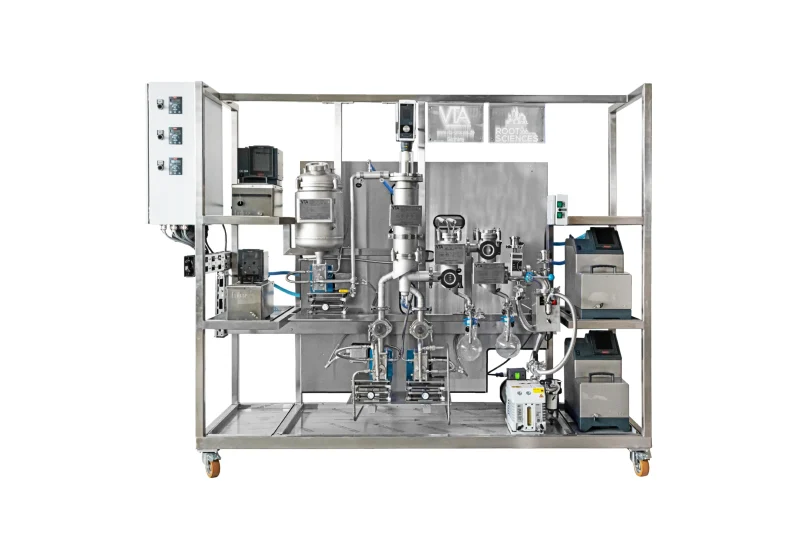
Our German-engineered wiped-film short-path distillation systems are engineered for reliable, continuous operation, delivering precise thermal control and efficient cannabinoid separation across laboratory, commercial, and industrial production environments. Whether you’re producing distillate for vape cartridges, edibles, tinctures, topicals, or other infused products, our equipment helps maximize cannabinoid recovery while preserving product quality.
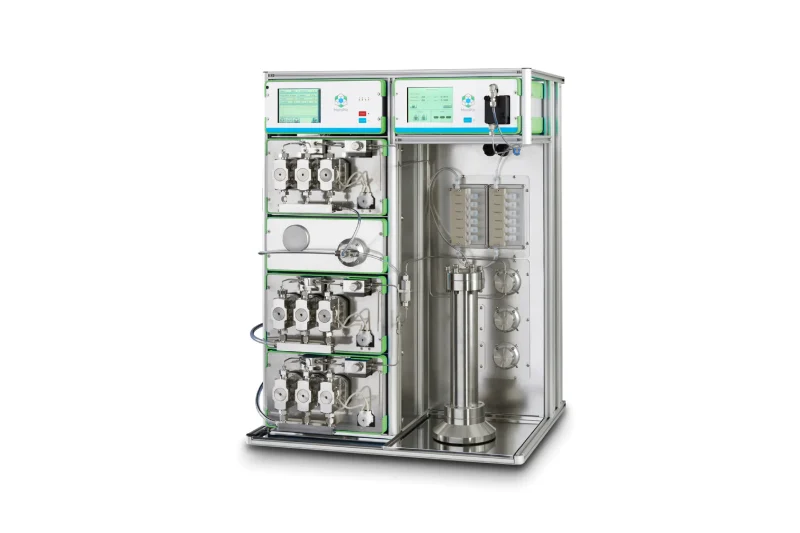
Producing compliant hemp extracts requires precise THC reduction without sacrificing cannabinoid quality or yield. Root Sciences provides post-processing cannabis equipment that uses advanced chromatography and crystallization technologies to reduce or remove THC while preserving valuable cannabinoids such as CBD, CBG, CBN, and CBC.
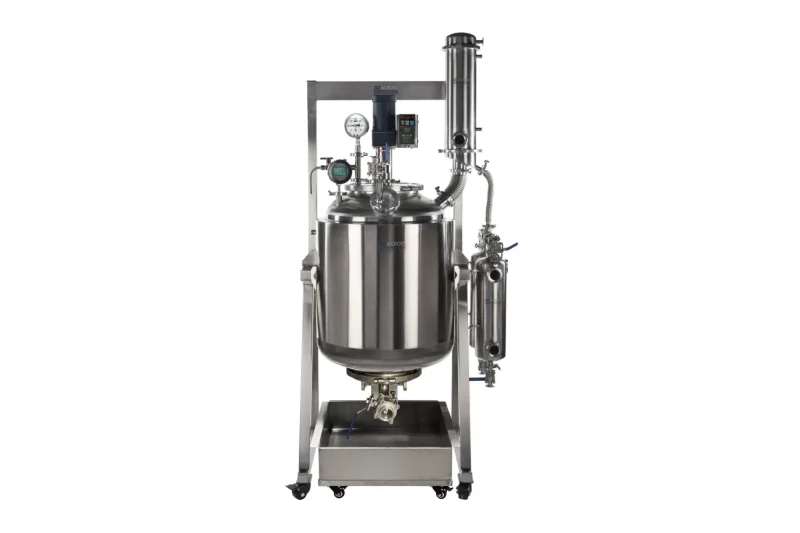
Achieving high-purity cannabinoid isolates requires precise control throughout the crystallization process. Root Sciences provides post-processing cannabis equipment engineered to support controlled temperature regulation, agitation, filtration, and crystal growth for the production of CBD isolate, THCA crystalline, and other purified cannabinoids.

Nanoemulsification is a critical post-processing step for cannabis and hemp manufacturers developing water-soluble cannabinoid products with improved bioavailability, stability, and dosing consistency. Root Sciences provides high-pressure homogenization systems that produce uniform nanoemulsions for beverages, edibles, tinctures, powders, topicals, and other infused products.
How Post-Processing Determines Final Product Quality
Extraction only pulls cannabinoids and terpenes from the plant; it does not decide how the finished product looks, performs, or tastes. That work happens during post-processing. Winterization strips out fats and waxes that would otherwise cloud a distillate or clog a vape cartridge. Decarboxylation converts inactive THCA and CBDA into THC and CBD, which is what actually makes a product potent.
Solvent recovery reclaims ethanol or hydrocarbons so processors are not paying to replace what could be reused. Each of these steps compounds on the last, so a shortcut early in the sequence, like incomplete winterization, shows up later as poor filterability during distillation. Processors who treat post-processing as a single afterthought step instead of a connected sequence tend to see inconsistent potency and yield between batches.
The Trade-Offs Between Different Post-Processing Paths
Not all post-processing routes lead to the same product, and choosing one over another depends on what the final SKU needs to be. Crystallization pushes purity toward 99%, which suits isolate and THCA diamond production but strips away the broader cannabinoid and terpene profile. Chromatography, used in THC remediation, removes THC while preserving minor cannabinoids like CBG and CBN, making it the better fit for compliant broad-spectrum hemp products.
Nanoemulsification takes a different direction entirely, converting oil-based cannabinoids into water-compatible droplets for beverages and fast-acting edibles rather than concentrates. A processor targeting isolate purity and one targeting infused beverages are effectively running two different post-processing strategies, even if both start from the same crude extract.
Frequently Asked Questions
Post-processing equipment refers to the machines used after extraction to refine crude cannabis or hemp oil into a finished, market-ready product. It spans several distinct stages: winterization to remove fats and waxes, solvent recovery and decarboxylation to reclaim solvent and activate cannabinoids, distillation to concentrate and purify cannabinoids, isolation and crystallization for high-purity isolates, THC remediation for compliant broad-spectrum products, and nanoemulsification for water-soluble formulations. Not every product requires all six stages; the sequence depends on the extraction method used and the final product format, whether that’s a distillate cartridge, a CBD isolate, or an infused beverage.
Yes. Every equipment purchase includes installation support and initial staff training. We also offer re-training sessions when your team changes, along with ongoing technical support covering basic and comprehensive maintenance, pre-distillation engineering guidance, and process-specific training such as decarboxylation or ethanol recovery. If you’re relocating a used machine to a new facility, our technicians can assist with that as well. Premier Program members receive additional support, including annual on-site service visits and priority access to our self-serve help desk.
It depends on the equipment. Winterization, solvent recovery, and crystallization systems typically run in batches, processing a fixed volume through a complete cycle before the next one starts. Membrane nanofiltration can support continuous operation, since its low-temperature, pressure-driven process skips the cooldown cycles that batch-based thermal systems need.
Maintenance needs vary by equipment type but follow a similar pattern. Filtration-based systems, like winterization filter tables, need regular filter pad replacement and cleaning to prevent buildup that slows throughput. Thermal systems, such as rotary evaporators and distillation units, require periodic monitoring of solvent levels, seals, and heating elements, along with cleaning-in-place (CIP) cycles between batches. Chromatography and crystallization equipment used in THC remediation also rely on routine CIP and monitoring of column media or solvent purity. Membrane nanofiltration systems tend to need the least maintenance overall, since they skip the heating and cooling cycles that cause wear in thermal equipment, requiring mainly routine membrane inspection and basic cleaning.
Traditional solvent recovery uses heat and evaporation: the oil is warmed under vacuum until the solvent boils off, then condensed and collected for reuse, which works well but exposes cannabinoids and terpenes to thermal stress over repeated cycles. Membrane nanofiltration instead uses pressure to push the solution through specialized membranes, letting solvent pass through while retaining larger compounds like cannabinoids, waxes, and pigments. Without an evaporation step, it runs at low temperatures and can combine solvent recovery, dewaxing, and color remediation in a single pass.
Ready to Optimize Your Post-Processing Workflow?
Whether you’re refining crude oil, producing cannabinoid isolates, or developing water-soluble formulations, our team can help you identify the right equipment for your operation.