
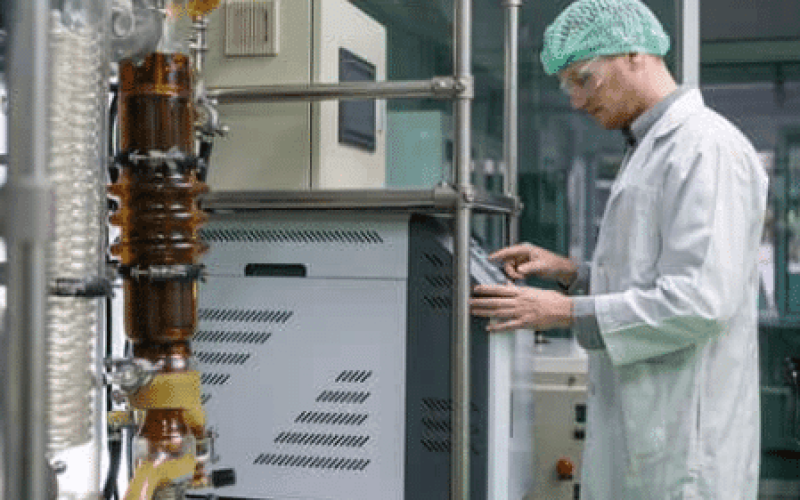
Cannabis extraction is the process of separating valuable compounds such as cannabinoids and terpenes from raw plant material to create concentrated products like oils, waxes, distillates, and edibles. In modern cannabis production, the chosen cannabis extraction method plays a critical role in determining purity, potency, flavor, safety, and scalability.
As cannabis extraction methods continue to advance, manufacturers and brands have multiple technologies to choose from. Understanding how different cannabis extraction approaches work helps producers align extraction decisions with product goals, regulatory requirements, and consumer expectations.
In this guide, we explain cannabis extraction fundamentals, compare solvent-based and solventless extraction, explore the most common cannabis extraction methods, introduce additional extraction techniques worth knowing, and answer high-intent questions buyers and operators frequently ask.
Sections
ToggleSolvent-Based vs. Solventless Cannabis Extraction
All cannabis extraction methods fall into one of two broad categories: solvent-based or solventless. Understanding this distinction is essential before evaluating individual techniques.
Solvent-Based Extraction
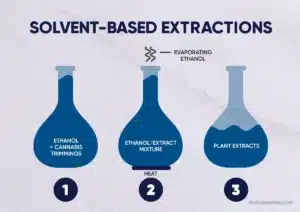
Solvent-based cannabis extraction uses chemical solvents to dissolve cannabinoids and terpenes from plant material. This cannabis extraction method is widely used in commercial and industrial environments because it delivers high efficiency, repeatability, and scalability.
Common solvents used in cannabis extraction include ethanol, butane, propane, and carbon dioxide. Solvent-based cannabis extraction methods are commonly selected for vape oils, distillates, tinctures, and medical formulations. However, they require licensed facilities, strict safety controls, and post-processing to remove residual solvents.
Solventless Extraction
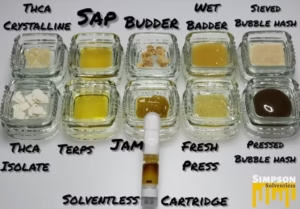
Solventless extraction relies on physical processes rather than chemical solvents to separate cannabinoids and terpenes. This category of cannabis extraction has gained popularity as consumers increasingly seek clean-label and naturally produced concentrates.
Solventless extraction typically uses heat, pressure, water, or mechanical agitation. Although solventless extraction generally produces lower yields than solvent-based cannabis extraction, it is valued for superior terpene preservation and premium product positioning. Many craft producers choose solventless extraction to create high-end concentrates such as rosin and ice water hash.
Common Cannabis Extraction Methods
Each cannabis extraction method offers different advantages depending on production scale, product type, and compliance requirements.
1. Ethanol Extraction
Ethanol extraction is one of the most widely used cannabis extraction methods due to its versatility and cost efficiency. This cannabis extraction method uses food-grade ethanol to dissolve cannabinoids, terpenes, and other plant compounds.
Cold ethanol extraction is often used to preserve terpenes, while warm ethanol extraction is favored for large-scale CBD production. Ethanol-based cannabis extraction methods are highly scalable, making them ideal for industrial operations. However, ethanol can co-extract chlorophyll and waxes, requiring winterization and filtration.
Advantages:
- Highly efficient extraction process for extracting a full spectrum of cannabinoids
- Ethanol is generally recognized as safe (GRAS) by the FDA
- Easier process as compared to hydrocarbon extraction
- Scalable for large-scale production
- Can target different compounds at various temperatures
Disadvantages:
- More prone to extract water-soluble compounds like chlorophyll, requiring additional purification
- Terpene preservation is not as effective as some other methods
- Requires large amounts of ethanol
2. BHO Extraction (Butane & Propane)
Hydrocarbon extraction, commonly known as BHO extraction, uses butane, propane, or blended hydrocarbons. This cannabis extraction method is known for producing terpene-rich concentrates such as shatter, wax, budder, and live resin.
Butane offers excellent terpene preservation, while propane enables lower-temperature extraction. Among cannabis extraction methods, BHO extraction delivers high yield and flavor but requires closed-loop systems and rigorous safety protocols due to solvent flammability.
Advantages:
- High efficiency and ability to extract a wide range of compounds
- Excellent at preserving terpene profiles due to no use of heat
- Extracts are more flavorful
- Relatively cost-effective compared to CO₂ extraction
- It can produce a variety of consistencies (shatter, wax, budder, etc.).
Disadvantages:
- Hydrocarbon solvents are highly flammable
- Requires thorough post-processing to remove all residual solvents
- Stricter regulations due to safety concerns
3. Supercritical CO₂ Extraction
Supercritical CO₂ extraction is one of the cleanest and most precise cannabis extraction methods available. This cannabis extraction method uses pressurized carbon dioxide to selectively extract cannabinoids without leaving toxic solvent residue.
Medical and pharmaceutical manufacturers often prefer CO₂-based cannabis extraction because it allows precise control over compound selection and meets strict regulatory standards. Although equipment costs are higher, CO₂ extraction supports consistent, solvent-free production at scale.
Advantages:
- CO2 extraction produces a clean extract with no residual solvents
- The extraction method is highly customizable, with selective extraction of specific compounds
- As CO2 is non-toxic and can be recycled, making the process highly environmentally friendly
- Can be easily scaled for commercial production
Disadvantages:
- Requires expensive, specialized equipment
- The extraction process is longer compared to some other methods
- Due to involvement of heat can degrade some terpenes
4. Cold Water Extraction
Cold water extraction, also known as ice water hash or bubble hash, is a solventless extraction technique that separates trichomes using ice, water, and agitation. This cannabis extraction method preserves delicate terpene profiles and produces flavorful concentrates.
Cold water solventless extraction is labor-intensive and yields less product than solvent-based cannabis extraction methods, but it is commonly used to create full-melt hash or high-quality inputs for rosin pressing.
Advantages:
- Solventless extraction with no chemical residues
- Excellent terpene and flavor preservation
- Produces high-quality full-melt hash
- Lower regulatory burden compared to solvent-based methods
- Ideal input material for rosin pressing
Disadvantages:
- Lower overall yields compared to solvent-based extraction
- Labor-intensive and time-consuming process
- Limited scalability for large commercial operations
- Product quality is highly dependent on starting material and technique
5. Rosin Pressing
Rosin pressing is one of the simplest solventless extraction techniques. This cannabis extraction method uses heat and pressure to extract resin directly from flower or hash.
Rosin produced through solventless extraction is prized for its purity and terpene richness. Although yields are lower compared to solvent-based cannabis extraction, rosin is positioned as a premium concentrate within the market.
Advantages:
- Completely solventless with no risk of chemical contamination
- Produces highly pure, terpene-rich concentrates
- Simple equipment and relatively low operational risk
- Minimal post-processing required
- Strong consumer appeal in the premium concentrate market
Disadvantages:
- Lower yields compared to ethanol, BHO, or CO₂ extraction
- Not ideal for large-scale commercial production
- Heat and pressure can degrade terpenes if not carefully controlled
- Quality and yield depend heavily on input material
- Higher cost per gram due to lower efficiency
Other Cannabis Extraction Methods Worth Knowing
Beyond the primary cannabis extraction methods, there are additional techniques that play supporting or emerging roles in the industry.
1. Dry Sift Extraction
Dry sift extraction is one of the oldest forms of solventless extraction and relies on mechanical separation. In this cannabis extraction method, dried cannabis material is agitated over fine mesh screens to collect trichomes.
Dry sift extraction is rarely used as a standalone cannabis extraction method in commercial production. Instead, it is often combined with solventless extraction techniques such as rosin pressing to improve final quality.
2. Mechanical Separation Techniques
Mechanical separation refers to cannabis extraction methods that use vibration, agitation, or pressure to isolate trichomes. These techniques fall under solventless extraction and are primarily used to enhance upstream processing rather than replace core extraction systems.
3. Freeze-Drying Assisted Extraction
Freeze-drying is not a cannabis extraction method itself, but an emerging pre-extraction enhancement. It removes moisture while preserving trichome integrity and terpene content, improving results for solventless extraction workflows such as cold water extraction and rosin pressing.
Post-Extraction Processing in Cannabis Extraction
After cannabis extraction, additional refinement steps are often required to produce a high-quality final product.
- Winterization: Removes fats, waxes, and lipids using cold alcohol filtration
- Decarboxylation: Activates cannabinoids by converting acidic forms into neutral forms
- Distillation: Further purifies extracts using heat and vacuum to achieve high potency
These steps are commonly integrated into solvent-based cannabis extraction methods but may also support certain solventless extraction outputs depending on product goals.
How to Choose the Right Cannabis Extraction Method
There is no single best cannabis extraction method. The optimal choice depends on the desired final product, production scale, regulatory environment, and target market.
Solvent-based cannabis extraction methods are best suited for high-volume, consistent production. In contrast, solventless extraction is ideal for premium products where flavor, purity, and brand differentiation matter more than yield.
Understanding how different cannabis extraction methods align with business goals enables smarter investment and product strategy decisions.
Safety, Compliance, and Quality Control in Cannabis Extraction
Safety and compliance are essential in cannabis extraction. Solvent-based cannabis extraction requires licensed facilities, explosion-proof equipment, and residual solvent testing. Solventless extraction reduces chemical risks but still requires strict quality control to maintain consistency and cleanliness.
Across all cannabis extraction methods, proper training, documentation, and testing ensure long-term success and consumer safety.
Conclusion
Depending on the specific needs of the market you want to cater to and the available resources, the choice of cannabis extraction method can vary.
If you aim to produce medical-grade extracts, CO₂ extraction is the ideal method as it offers clean, consistent results and can isolate specific compounds. However, to serve recreational consumers, you need flavorful concentrates that can be produced with hydrocarbon extraction or rosin pressing. And, if large-scale CBD production from hemp is on your mind, ethanol extraction is often the most cost-effective option.
Each cannabis extraction method has advantages and disadvantages; the diversity of extraction techniques is the key to producing a wide range of products to meet varied consumer needs and preferences.
Frequently Asked Questions About Cannabis Extraction
There is no single best cannabis extraction method. Solvent-based cannabis extraction methods such as ethanol and CO₂ are ideal for large-scale production, while solventless extraction is preferred for premium concentrates focused on flavor and purity.
The best cannabis extract depends on the intended use. Distillates and oils produced through solvent-based cannabis extraction are commonly used in medical and vape products, while solventless extraction produces rosin and hash favored for terpene richness.
Both solvents are effective in hydrocarbon cannabis extraction methods. Butane preserves terpenes well, while propane enables lower-temperature operation. Many producers use blended systems to balance results.
Solventless extraction avoids chemical solvents and preserves natural terpene profiles. Although yields are lower, solventless extraction produces clean, flavorful concentrates that command premium pricing.
Common chemicals used in cannabis extraction include ethanol, butane, propane, and carbon dioxide. Proper post-processing ensures these solvents are safely removed.
Butane-based cannabis extraction methods excel at flavor preservation, while ethanol extraction is better suited for scalable production and CBD processing.