You are currently viewing Delta 8: The Ultimate Guide

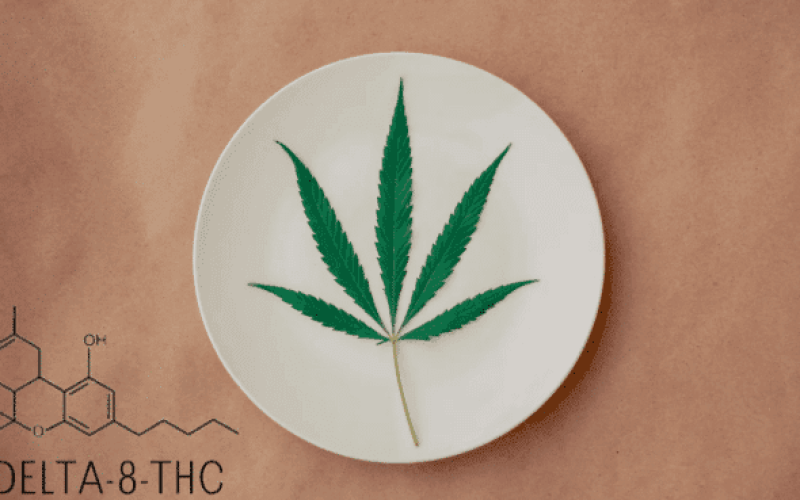
Delta-8 THC is a psychoactive cannabinoid found in Cannabis sativa. It is closely related to delta-9 THC, the compound most people mean when they say THC. Many users describe delta-8 as producing a milder high than delta-9, but effects can vary a lot depending on the product, dose, and individual tolerance.

Delta-8 is also commonly made by converting hemp-derived CBD into delta-8. That manufacturing reality is a big reason the topic is surrounded by legal confusion and safety warnings.

What is Delta-8 THC?
Image Courtesy: recovered.org

Delta-8 THC (delta-8 tetrahydrocannabinol) is a cannabinoid that can produce intoxicating effects. It is an isomer of delta-9 THC, meaning it has the same molecular formula but a slightly different structure.

That small structural difference affects how delta-8 interacts with cannabinoid receptors, which is one reason many users report it feels less intense than delta-9. Still, delta-8 is psychoactive and can cause impairment.

If you want a full foundation on THC, potency, and how delta-9 typically feels, see our guide: What is Delta-9 THC?

Where does delta-8 come from?

Delta-8 occurs naturally in cannabis, but usually in very small amounts. Because natural concentrations are low, many delta-8 products are made by converting hemp-derived CBD into delta-8 using chemical processes.

Why this matters:

  • Conversion processes can create unintended byproducts.
  • Potency and cannabinoid profiles can vary from batch to batch.
  • If the manufacturer does not have strong controls, contaminants can remain in the final product.

This is one of the central issues regulators have flagged when warning consumers about delta-8 products.

Delta-8 vs other cannabinoids

To better understand what delta 8 is, it is essential to compare it with other variants:

Delta-8 vs. Delta-9 THC
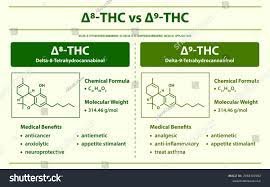
Delta-8 vs. Delta-9 THC
Image Courtesy: www.shutterstock.com

Delta-8 vs delta-9 THC

Both delta-8 and delta-9 can get you high. Delta-8 is often described as less intense, but the real experience depends on the dose and the actual lab-tested contents of the product.

Common comparison points:

  • Intensity: delta-8 is commonly reported as milder than delta-9.
  • Functionality: some users describe delta-8 as more clear-headed, but higher doses can still cause heavy sedation or anxiety.
  • Product risk: delta-8 products may carry extra risks if produced through inconsistent conversion and cleanup.

For a direct comparison, see: Delta-8 THC vs Delta-9 THC: What’s the Difference?

Delta-8 vs. CBD
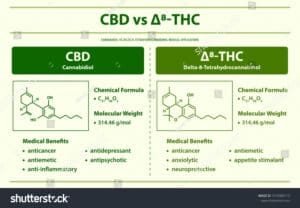
Delta 8 vs CBD
Image Courtesy: www.shutterstock.com

CBD is generally described as non-intoxicating. Delta-8 is intoxicating.

This matters because some delta-8 products are marketed simply as “hemp products,” and many consumers assume hemp always means non-psychoactive. In reality, hemp-derived products can still be intoxicating depending on the formulation.

Delta-8 vs. Delta-10
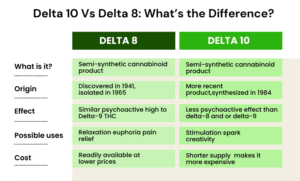
Delta-8 vs. Delta-10
Image Courtesy: www.atlrx.com

Delta-10 is commonly marketed as more uplifting, while delta-8 is often described as more relaxing. Actual effects vary because products can differ in cannabinoid ratios, terpene profiles, and purity.

If you want a deeper breakdown, read: Delta-10: The Ultimate Guide

Delta-8 vs HHC

HHC (hexahydrocannabinol) is another cannabinoid frequently compared with delta-8. People compare them for potency, duration, and the type of high they produce, but experiences vary widely depending on product formulation and dose.

For a practical comparison, see: HHC vs Delta-8
If you are comparing HHC with delta-10, this guide can help: HHC vs Delta-10
How Is Delta-8 Used?

Like other cannabinoids, delta 8 can be consumed in several ways, including: 

1. Vapes

Delta 8 vape cartridges and disposables offer the fastest onset of effects, typically within minutes. It makes vapes a popular method for users seeking immediate relief or precise dosing control.

2. Edibles

Delta 8 offers sustained effects when added to edibles like gummies, chocolates, and other forms. The onset is delayed (30-90 minutes) but provides longer-lasting effects (4-8 hours).

3. Tinctures

Delta 8 tinctures make sublingual administration a lot easier, offering faster absorption. Tinctures provide precise dosing flexibility through dropper measurements.

4. Capsules and Softgels

Delta 8 capsules are also available for consistent and pre-measured doses for discreet consumption. Softgels and capsules have slower onset times similar to other oral consumption methods.

Delta-8 Effects

Effects of Delta-8 on the Body
Image Courtesy: www.sandstonecare.com

Delta-8 THC can produce both mental and body effects. Commonly reported effects include:

  • Mild euphoria
  • Relaxation
  • Altered perception of time
  • Changes in attention and short-term memory
  • Increased appetite in some users

Some users look for delta-8 because they want a milder intoxicating profile than delta-9. Others use it because it is more available in certain markets. Either way, effects can vary significantly due to labeling inconsistencies and differences in product composition.

Does Delta-8 get you high?

Yes. Delta-8 THC is psychoactive and intoxicating.

Potency compared to delta-9

Delta-8 is often described as less potent than delta-9, but there is no single ratio that always applies. Product variability is a big factor, especially in markets where manufacturing and testing standards are uneven.

Clear-headed high vs couch-lock

Some people describe delta-8 as more functional than delta-9, while others still report sedation, brain fog, or anxiety at higher doses. If a product contains a high dose, or contains other cannabinoids, the experience can shift substantially.

Risks and Side Effects of Delta-8 THC

Common side effects

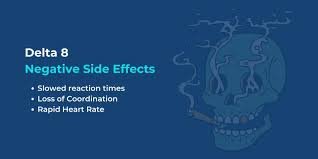
Potential side effects include:

  • Dry mouth
  • Dizziness
  • Drowsiness
  • Anxiety, confusion, or agitation, especially at higher doses
  • Increased heart rate

Overconsumption risks

Edibles are a common source of overconsumption because effects take longer to appear. Taking more before the first dose peaks can lead to unpleasant effects such as panic, vomiting, hallucinations, or loss of consciousness.

Long-term concerns

Long-term effects of frequent delta-8 use are not well-defined. Risk depends on both the cannabinoid and product quality, including whether the product contains contaminants or inconsistent concentrations.

Risks & Regulation

  • FDA Warning: The FDA highlights significant health risks from unregulated products, which aren’t tested for safety.
  • Contamination: The chemical conversion process from CBD to delta-8 can leave behind harmful chemicals, increasing health risks

  • Legal Status: Varies widely; some states have banned or restricted it, while it’s sold in many places over-the-counter in edibles, vapes, and gummies. 

Is Delta-8 Legal?

Before you buy any delta 8 product, check the legal status of the cannabinoid in your jurisdiction. 

Federal vs. State Regulations

The answer to the question “Is delta 8 legal?” is complex and varies by jurisdiction. At the federal level, the legality of delta 8 depends on its source and THC content. Under the 2018 Farm Bill, hemp-derived products containing less than 0.3% Delta-9 THC are federally legal, which technically includes delta 8 derived from hemp.

2018 Farm Bill and Its Impact

The 2018 Farm Bill legalized hemp and hemp-derived products. However, the bill explicitly addresses Delta-9 THC concentrations, creating ambiguity around other THC isomers like Delta-8. 

Legal Gray Areas and Ongoing Debates

Despite federal hemp legalization, many states have specifically banned delta 8 or restricted its sale. Therefore, consumers must verify whether delta 8 is legal in their state.

How to choose safer delta-8 products

If you choose to use delta-8, these steps can reduce risk.

1) Choose third-party lab tested products

Look for a recent Certificate of Analysis (COA) from an independent lab. It should match the batch number on your product.

A COA should ideally include:

  • cannabinoid potency, including delta-8 and delta-9 THC
  • screening for residual solvents
  • heavy metals and pesticides when available
  • microbial contaminants when available

2) Avoid child-appealing packaging

Avoid products that mimic candy or snack branding.

3) Start low and go slow

Use a low dose and wait long enough before taking more, especially for edibles.

4) Store it like medicine

Use child-resistant packaging and store products locked and out of reach of children and pets.

5) Do not drive after use

Delta-8 is intoxicating and may impair reaction time and judgment.

Conclusion

Delta 8 THC is a middle ground between non-psychoactive CBD and the more potent effects of Delta-9. This comprehensive guide explained what delta 8 is and its benefits and side effects. You must recognize both the potential and the limitations of this cannabinoid for informed decision-making.

Also, check if delta 8 is legal in your state and jurisdiction. For those considering delta 8 use, starting with low doses, purchasing from reputable sources with third-party testing, and consulting with healthcare providers when appropriate are essential steps. 

FAQs

Delta-8 occurs naturally in cannabis in small quantities, but many commercial products are made by converting CBD into delta-8.

Many users report less intense intoxicating effects compared with delta-9 THC. Still, dose, tolerance, and product composition can make delta-8 feel strong.

Yes, especially at higher doses or in sensitive individuals. Even if some people report fewer anxious effects, unpleasant reactions still occur.

No. Hemp-derived products can still be intoxicating depending on the cannabinoid content.

No. They are related cannabinoids with different structures and often different perceived intensity.

California – Delta-8 is only permitted if derived from licensed cannabis sources, making it subject to the same restrictions as marijuana. Kentucky – Requires a licensing system for Delta-8 sales and strict labeling requirements.