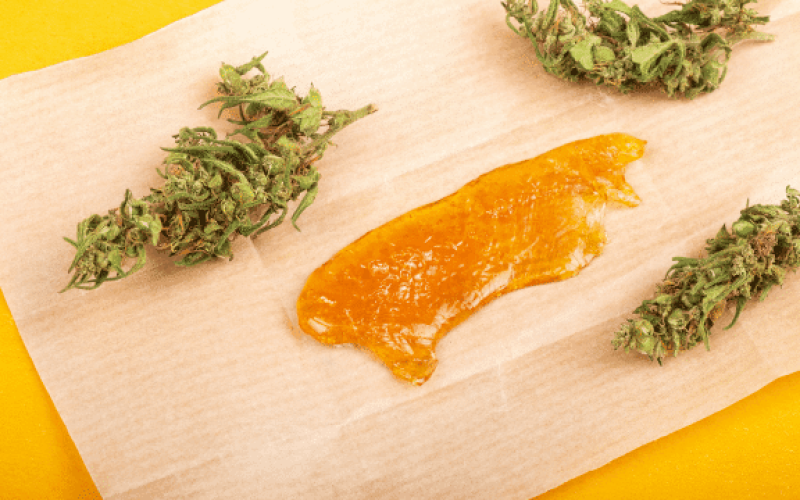

If you are a cannabis enthusiast or a producer, choosing between BHO (butane hash oil) extraction and solventless methods represents one of the most critical decisions. The BHO vs solventless choice is a complicated one, as there are fundamental differences in equipment investment, operational complexity, product characteristics, regulatory requirements, and market offerings.
Here we do a detailed BHO vs solventless comparison across technical, economic, regulatory, and market dimensions to help you select a method best aligned with your capital resources, target markets, regulatory environment, and long-term business strategy.
Sections
ToggleWhat Is BHO Extraction?

Butane Hash Oil or BHO extraction is a solvent-based extraction method that is popular for commercial operations.
How BHO Extraction Works

BHO extraction uses liquid butane (or butane/propane blends) as a solvent to dissolve cannabinoids and terpenes from cannabis material within closed-loop systems. The process starts with packing material into extraction columns, then passing chilled liquid butane through to dissolve compounds. The butane-cannabinoid solution is then collected in a separate chamber, followed by evaporating the solvent under vacuum and heat to produce concentrated extracts.
Common Products Made with BHO
BHO extraction produces diverse concentrate types, including shatter, wax, live resin, budder, sauce, and distillate.
Advantages of BHO Extraction
- High yield efficiency recovering 20-30% of raw material as concentrate, maximizing cannabinoid extraction and profitability
- Consistent product quality through precise process control
- Versatile technique allows production of various concentrate textures, potencies, and formulations.
Limitations of BHO Extraction
- Requires extensive safety compliance, residual solvent testing, fire suppression systems, and a specialized facility
- Higher operational costs due to specialized equipment, such as closed-loop systems
- Solvent-based extracts are seen as inferior or potentially contaminated
What Is Solventless Extraction?

Solventless extraction uses the principles that rely exclusively on mechanical force, temperature manipulation, and physical separation to isolate cannabinoids and terpenes without chemical solvents.
How Solventless Extraction Works

The solventless extraction process uses three main methods – physical pressing (applying heat and pressure), ice water extraction (using cold water agitation to separate trichomes), and dry sifting (screening trichomes through mesh). Cannabis solventless extraction techniques preserve natural terpene profiles and compound ratios by avoiding chemical dissolution and solvent purging that can degrade sensitive molecules.
Common Solventless Products
Solventless extraction produces rosin, bubble hash, full-melt hash, live rosin, and hash rosin.
Advantages of Solventless Extraction
- Zero solvent residual eliminates contamination concerns and extensive testing requirements.
- Excellent terpene preservation, which maintains authentic strain flavors and aromas.
- Extracts like solventless Live Rosin command higher prices than comparable BHO products due to perceived purity.
Limitations of Solventless Extraction
- Cannabis solventless extraction techniques yield is lower compared to BHO’s recovery rates.
- Labor-intensive processing, such as mechanical processes, needs skilled operators and longer production times.
- The process is overly dependent on the starting material quality.
BHO vs Solventless: Side-by-Side Comparison
Factor | BHO Extraction | Solventless Extraction |
Primary Method | Chemical solvent (butane/propane) dissolution | Mechanical force, heat, pressure, ice water |
Yield Efficiency | 20-30% cannabinoid recovery | 15-20% (rosin); 3-8% (bubble hash) |
Product Consistency | Highly consistent; reproducible batch-to-batch | Variable; technique and material dependent |
Scalability | Excellent; automated systems handle kg quantities | Moderate; labor limits throughput capacity |
Product Types | Shatter, wax, budder, live resin, sauce, distillate | Rosin, bubble hash, full-melt, hash rosin |
Terpene Preservation | Good with proper technique; some loss during purging | Excellent; no chemical or extensive heat exposure |
Setup Cost | $50K-$500K+ for commercial closed-loop systems | $5K-$100K for presses, freeze-dryers, hash equipment |
Operating Complexity | High; requires training, monitoring, maintenance | Moderate; simpler but technique-dependent |
Regulatory Burden | Extensive; permits, testing, safety compliance | Minimal; basic manufacturing requirements |
Market Positioning | Mid-tier pricing; volume-focused segments | Premium pricing; quality-focused consumers |
Regulatory & Compliance Considerations
Another aspect to consider in BHO vs solventless selection is the compliance requirement:
- BHO extraction requires comprehensive safety permits as it involves highly flammable hydrocarbons. Solventless cannabis extraction methods have much less compliance requirements.
- Residual solvent testing mandates for BHO products increase the operational cost and requirements for contaminant panels and lab testing.
- Facility requirements differ dramatically, with BHO labs needing explosion-proof electrical, specialized ventilation (C1D1 rated spaces), fire suppression systems, and solvent storage infrastructure. Solventless extraction is much simpler and can be set up in any basic manufacturing space.
- Upfront investment requirements for BHO operations are substantially higher due to fire and explosion risks, while solventless facilities face standard manufacturing insurance rates without flammable material premiums.
Which Extraction Method Is Right for Your Lab?
Choose BHO If:
If you are exploring commercial operations where maximizing yield and efficiency matter most for profitability, BHO extraction is ideal for you. The process is scalable and puts you in a position to target mid-tier consumer markets seeking affordable concentrates. If you have resources to meet regulatory complexity and equipment investment, BHO’s flexibility and efficiency are compelling despite operational complexity.
Choose Solventless If:
Solventless concentrates are ideal for premium, health-conscious consumer markets. If you want to target a premium market segment for pure, chemical-free concentrates with limited startup capital, solventless extraction is for you. Solventless extraction process for high-quality extracts presents a lower barrier to entry as there are minimal restrictive solvent-based extraction regulations involved.
Using Both Methods in One Lab
The BHO vs solventless decision doesn’t have to be exclusive. It is possible to run operations with both methodologies to serve different market segments and optimize material usage. If you operate in a market where compliance restrictions are not too complex, and you have enough capital, a hybrid approach like CO₂ Extraction can maximize return across material quality tiers. Dual methodology provides product diversification, market flexibility, and risk mitigation.
Conclusion
The BHO vs solventless comparison clearly outlines that there is no universal winner. Both methodologies present pros and cons suited to different operational contexts, market positions, and business strategies.
While BHO extraction is commercially sustainable, offering high-volume, consistent production, the product quality is suitable for price-conscious consumers and wholesale markets. Different types of solventless concentrates command premium pricing due to their purity and terpene preservation, but yield and scalability are not as high as the BHO method.
The decision between BHO vs solventless should weigh factors including capital, regulatory environment, target market, facility capabilities, and long-term brand positioning.

