
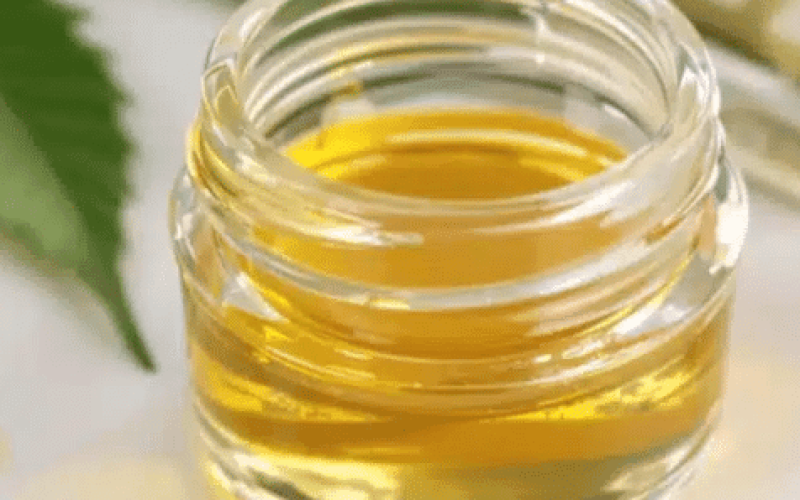
BHO extraction relies on light hydrocarbon gases to separate cannabinoids and terpenes from cannabis plant material. Choosing the right gas plays a critical role in extraction efficiency, terpene preservation, final texture, and overall safety. While butane remains the most commonly used solvent, professional BHO extraction often involves gas blends and alternative hydrocarbons to achieve specific results.
This guide explains the types of gas for BHO extraction, how each solvent works, and what to consider when selecting the right option for your extraction process.
Sections
ToggleThe importance of choosing the right gas for BHO extraction
The gas used during BHO extraction directly affects yield quality, flavor profile, and consistency of the final concentrate. Different hydrocarbons interact with cannabinoids and terpenes in unique ways, influencing everything from extraction speed to purge efficiency.
Using the wrong gas can lead to unstable textures, terpene loss, or contamination issues. This is why experienced extractors focus not only on yield but also on how the solvent supports different types of BHO such as shatter, wax, budder, live resin, and diamonds.
Gas selection also ties closely into safety concerns in BHO extraction, as all hydrocarbon solvents are highly flammable and require controlled environments and proper equipment.
How to choose the right gas for BHO extraction
Selecting the right gas depends on your extraction goals, equipment setup, and desired concentrate characteristics. Professional BHO extraction methods prioritize consistency, safety, and solvent purity.
Key considerations include boiling point, vapor pressure, terpene retention, and compatibility with closed-loop systems. The right choice also supports advanced workflows like post-processing, crystallization, and terpene separation.
Key factors when choosing gas for BHO extraction
- Boiling point: Lower boiling points allow faster purging and reduced heat exposure
- Terpene preservation: Some gases better protect volatile terpenes
- Final texture: Solvent choice influences whether the result is shatter, sauce, or budder
- Equipment compatibility: Not all gases work safely with all BHO extraction tools
- Purity standards: Food-grade or instrument-grade gases are essential for safe consumption
Choosing the correct solvent also simplifies troubleshooting BHO extraction issues like nucleation, instability, or residual solvent retention.
How gas is used in BHO extraction
In BHO extraction, hydrocarbon gas is passed through cannabis material under controlled conditions. The gas dissolves cannabinoids and terpenes, creating a solvent-rich solution that is later purged to remove residual gas.
Modern BHO extraction methods rely on closed-loop systems that recover and reuse solvent while maintaining temperature and pressure control. These systems significantly reduce risk and allow for repeatable results.
Gas choice impacts extraction speed, solvent recovery efficiency, and post-processing techniques such as whipping, curing, or diamond mining. Advanced setups allow extractors to fine-tune variables as part of advanced BHO extraction techniques.
There are several hydrocarbon gases and blends used in professional bho extraction. Each serves a specific purpose depending on the desired concentrate type.
1. n-Butane (n-C4H10)
n-Butane is the most common solvent used in bho extraction. Its relatively low boiling point makes it easier to remove during recovery and purging, which helps preserve a clean flavor when the process is dialed in.
n-Butane is often preferred for producing stable, glassy textures like shatter. It also delivers consistent cannabinoid solubility and predictable results across many inputs.
2. Isobutane (iso-C4H10)
Isobutane is an isomer of butane with slightly different physical properties. It has higher vapor pressure and is frequently used to influence texture and crystallization behavior.
Many extractors use isobutane in blends when producing terpene-rich extracts or when aiming for outcomes like diamonds and sauce, where controlled nucleation and terpene separation become more important. It is less common as a solo solvent and more common as part of a tuned blend.
3. Propane (R290)
Propane has a much lower boiling point than butane, which allows for faster recovery and purging at lower temperatures. This can help preserve delicate, heat-sensitive terpenes and is one reason propane is popular for live resin style extraction.
Propane is used on its own in some hydrocarbon workflows and is also commonly blended with butane to fine-tune extraction efficiency and final texture.
4. Butane and Propane Blends
Professional extractors often use blended solvents to balance stability and terpene retention. These blends can also help adjust solvent strength and extraction behavior without drastically changing the workflow.
Common examples include:
- 70% butane / 30% propane for terpene-rich live resin and sauce
- 80% butane / 20% propane for balanced shatter and budder
- 90% butane / 10% propane for highly stable shatter
These blends are widely used because they provide control over extraction behavior and final product consistency, especially when producing different types of bho across varying cultivars.
Dimethyl Ether (DME)
Dimethyl ether is not a traditional BHO solvent in the strict definition, but it is sometimes discussed as an alternative solvent used in cannabis extraction. It is included here because it appears in many solvent comparison discussions and because some operators consider it in specialized workflows.
DME can dissolve both polar and non-polar compounds, which changes how it interacts with plant material compared to butane or propane. It also requires careful equipment compatibility considerations, since it can degrade certain plastics and requires appropriate materials. In practice, it is typically used only by experienced operators with specific processing goals and strict safety controls.
Warnings when performing gas-based BHO extraction
Gas-based BHO extraction carries inherent risks that must be managed carefully. All hydrocarbon gases are flammable, and improper handling can result in fires, explosions, or contamination.
Extraction should only be performed in closed-loop systems with proper ventilation and pressure-rated components. Using substandard gas or equipment increases safety concerns in BHO extraction and compromises product quality.
Purity is critical. Only high-grade hydrocarbons should be used to avoid introducing harmful residues that impact flavor, safety, and consumer trust. Following best practices protects both the extractor and the end user, especially when concentrates are intended for various BHO consumption methods such as dabbing or vaporization.
Final thoughts on gas selection for BHO extraction
Understanding the types of gas for BHO extraction allows extractors to optimize quality, safety, and efficiency. Whether producing shatter, live resin, or diamonds, the right solvent choice supports consistent results and smoother processing.
As BHO extraction continues to evolve, extractors increasingly rely on refined solvent blends, precision equipment, and advanced techniques to meet higher quality standards. Choosing the correct gas is not just a technical decision but a foundation for producing premium concentrates.
FAQs
n-Butane is commonly used for stable concentrates like shatter because it purges relatively easily and delivers consistent results. Isobutane has a lower boiling point and higher vapor pressure than n-butane, so it can behave differently in closed-loop systems and may be used to influence texture outcomes like sauce and diamonds in advanced bho extraction techniques.
Yes. Propane (R290) is widely used in hydrocarbon extraction either alone or blended with butane. Many labs use butane-propane blends because propane can improve terpene retention and speed up recovery, which is helpful when dialing in different types of bho like live resin, budder, or diamonds and sauce.
Blends are used to balance stability, terpene retention, and purge behavior. For example, 70/30 blends are often associated with saucier live resin outputs, while higher-butane blends like 90/10 are commonly used for more stable shatter-style results. These ratios are frequently discussed in professional bho extraction methods because they offer more control over final texture.
Most professional suppliers and labs recommend using high-purity, instrument-grade or extraction-grade butane, commonly listed around 99.5% purity, to reduce contaminants and improve consistency. Purity matters for both product quality and safety concerns in bho extraction, especially because impurities can affect flavor and cleanup during purge.
Common types of BHO are usually categorized by texture and post-processing, including shatter, wax, budder, crumble, live resin, and diamonds with sauce. Texture is influenced by solvent choice, blend ratio, temperature control, and handling after extraction.
It depends on the goal. CO2 extraction is often chosen for solvent perception and broad commercial applications, while BHO is commonly valued for flavor-forward concentrates and a wide variety of end products. The better option comes down to equipment, product targets, and compliance, and many processors compare both approaches when planning bho extraction tools and bho extraction methods.