
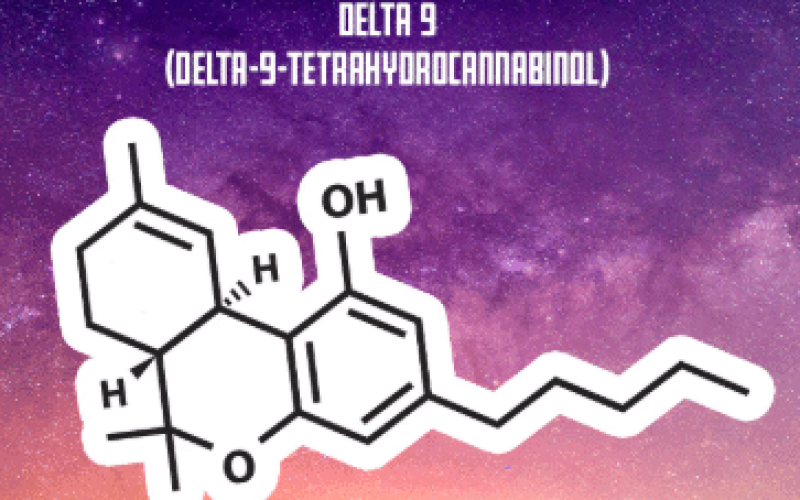
Delta 9 THC is the primary psychoactive cannabinoid found in cannabis. In regulated markets, it is produced either directly from cannabis plants or from federally compliant hemp under the 0.3 percent Delta 9 THC dry weight limit established by the 2018 Farm Bill.
The production of Delta 9 follows a controlled industrial process. It begins with plant cultivation, moves through extraction and purification, and ends with compliance testing and formulation into finished products.
Below is a clear step by step explanation of how Delta 9 is made commercially.
Sections
ToggleStage 1 Sourcing and Preparing Hemp Biomass
The process starts with legally cultivated hemp plants.
Choosing Cultivars Below 0.25 Percent to Leave Headroom
Farmers select hemp genetics that consistently test below 0.25 percent Delta 9 THC before harvest. This buffer reduces the risk of exceeding the 0.3 percent federal limit due to environmental stress or late harvesting.
Stable genetics are essential because THC levels can increase during flowering.
Pre Harvest THCA vs Delta 9 Decarboxylation Dynamics
In raw hemp, most THC exists as THCA, not active Delta 9.
THCA converts into Delta 9 when exposed to heat through decarboxylation. This can occur during drying, extraction, or deliberate heating.
Regulators calculate total THC using:
Delta 9 THC + THCA × 0.877
Understanding this conversion is critical because compliance is based on total potential Delta 9, not just the measured active amount.
Once harvested, the biomass is dried, milled, and prepared for extraction.
Stage 2 Cannabinoid Extraction
The next step is separating cannabinoids from plant material.
Supercritical CO2 Extraction
Supercritical CO2 extraction uses pressurized carbon dioxide at specific temperature and pressure settings to isolate cannabinoids.
Advantages include:
- Clean extraction without toxic solvent residue
- Adjustable selectivity
- Strong terpene retention
- Scalable for commercial facilities
This method is common in regulated manufacturing environments.
Cryogenic Ethanol Extraction
Cryogenic ethanol extraction uses chilled ethanol to strip cannabinoids from plant matter.
Benefits include:
- Faster processing
- Lower equipment investment
- High cannabinoid recovery
After extraction, ethanol must be fully removed through evaporation and recovery systems. Residual solvent testing is required to meet safety standards.
The result of either method is crude cannabinoid extract.
Stage 3 Conversion Pathways When Applicable
Delta 9 can occur naturally in hemp extracts, but some manufacturers produce it through chemical conversion from CBD.
Catalytic Isomerisation CBD to Delta 9
CBD extracted from hemp can be converted into Delta 9 through controlled acid catalysis.
The process involves:
- Dissolving CBD isolate in a solvent
- Introducing an acid catalyst
- Triggering molecular rearrangement
- Neutralizing the reaction
- Purifying the resulting mixture
Strict control is required to avoid unwanted byproducts such as Delta 8 or degraded compounds. High level purification and analytical testing are essential after conversion.
Some states restrict chemically converted cannabinoids, so regulatory review is necessary before distribution.
Stage 4 Purification and Refinement
Crude extract contains waxes, lipids, pigments, and minor compounds that must be removed.
Winterisation
The extract is dissolved in ethanol and chilled. Fats and waxes solidify and are filtered out.
Controlled Decarboxylation
If THCA is present, heat is applied under controlled conditions to convert it into active Delta 9.
Precise temperature control prevents degradation into CBN.
Wiped Film Distillation
Wiped film distillation separates cannabinoids under vacuum using differences in boiling points.
This produces high purity Delta 9 distillate, typically ranging from 85 to 95 percent purity before dilution.
Stage 5 Compliance Testing and Dry Weight Calculation
Before products can enter the market, they must pass laboratory testing.
Calculating Less Than 0.3 Percent on a Dry Weight Basis
Federal hemp law requires finished products to remain below 0.3 percent Delta 9 THC on a dry weight basis.
Formula:
Milligrams of Delta 9 ÷ Total product weight in milligrams × 100
Example:
15 mg Delta 9 in a 6 gram gummy
15 ÷ 6000 × 100 = 0.25 percent
Each product formulation must be calculated individually.
Laboratory Quality Assurance
Responsible manufacturers conduct full panel testing including:
- Cannabinoid potency
- Residual solvents
- Heavy metals
- Pesticides
- Microbial contamination
- Mycotoxins
Only batch specific Certificates of Analysis should support distribution.
Stage 6 Formulating Finished Products
Once purified and tested, Delta 9 distillate is formulated into consumer products.
Edibles
Delta 9 distillate is blended into gummy or confection bases using precise mixing to ensure even distribution.
Manufacturers calculate required distillate based on potency and batch size to maintain uniform dosing.
Beverages
Because Delta 9 is oil soluble, beverages require emulsification technology to create stable cannabinoid dispersion in water based systems.
Particle size and pH stability determine shelf life and potency consistency.
Vape Products
Delta 9 distillate is blended with terpenes to achieve appropriate viscosity and vaporization performance.
Only safe carrier systems should be used, and thermal stability must be verified.
Conclusion
Delta 9 production is a controlled, multi stage manufacturing process that begins with compliant hemp cultivation and ends with precisely formulated consumer products. Each phase, from biomass selection and extraction to purification, laboratory verification, and final formulation, must be executed with technical accuracy and regulatory awareness.
The most critical factors in Delta 9 manufacturing are maintaining total THC compliance, ensuring chemical purity, conducting comprehensive laboratory testing, and applying precise formulation calculations. Small deviations in process control can impact potency, safety, and legality.
When produced under regulated conditions with validated testing and proper quality assurance, Delta 9 products can meet both federal hemp standards and consumer safety expectations. Manufacturing discipline and regulatory alignment remain the foundation of compliant Delta 9 production.
FAQs
Delta 9 THC occurs naturally in cannabis plants as THCA, which converts into Delta 9 when heated. However, it can also be produced through chemical conversion from CBD extracted from hemp. Whether it is considered natural or synthetic depends on how it was manufactured and how state laws define converted cannabinoids.
Delta 9 THC is a cannabinoid compound with the molecular formula C21H30O2. In commercial products, it is usually combined with carrier oils, terpenes, flavorings, or emulsifiers depending on the product type.
Yes. Delta 9 from hemp and Delta 9 from marijuana are chemically identical. The difference is legal classification. Hemp derived Delta 9 must remain below 0.3 percent THC on a dry weight basis under federal law.
Delta 9 and Delta 8 are structural isomers with a small difference in molecular structure. This difference affects how strongly they bind to cannabinoid receptors, with Delta 9 generally producing stronger psychoactive effects.
Yes, but usually in small amounts. Hemp plants naturally produce low concentrations of Delta 9 while containing higher levels of CBD.
CBD is abundant in hemp and legally compliant when sourced correctly. Through controlled chemical processes, CBD can be converted into Delta 9, allowing manufacturers to create compliant products under federal hemp law.