
Imagine walking into a dispensary and picking up two cannabis products with the same THC percentage. One leaves you relaxed and sleepy, while the other makes you feel focused and energized. Why does this happen?
The answer lies in understanding cannabinoids vs terpenes.
Most people focus only on THC or CBD levels, but that’s only half the story. The real experience comes from how cannabinoids and terpenes work together. Once you understand this difference, you can choose products more effectively and get predictable results.
Sections
ToggleCannabinoids vs Terpenes: What’s the Difference?
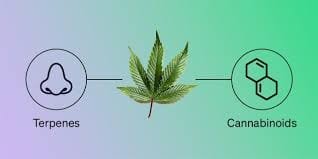
The main difference between cannabinoids and terpenes is how they interact with your body.
- Cannabinoids directly bind to receptors in the endocannabinoid system.
- Terpenes influence how those cannabinoids behave and affect your experience.
While both are produced in the cannabis plant, they play completely different roles. Understanding cannabinoids vs terpenes helps you choose better products and predict how they will feel.
What Are Cannabinoids?
Cannabinoids are active compounds found in cannabis that interact with the body’s endocannabinoid system (ECS). This system regulates mood, sleep, pain, appetite, and immune response.
When consumed, cannabinoids interact with:
- CB1 receptors (brain and nervous system)
- CB2 receptors (immune system)
Common Cannabinoids and Their Effects
Cannabinoid | Type | Primary Effect |
THC | Psychoactive | Euphoria, pain relief, appetite stimulation |
CBD | Non-intoxicating | Anxiety relief, anti-inflammatory |
CBG | Non-intoxicating | Gut health, focus support |
CBN | Mildly psychoactive | Sleep support, sedation |
CBC | Non-intoxicating | Pain relief, skin health |
THC is responsible for the “high,” while CBD and others provide therapeutic benefits without intoxication.
What Are Terpenes?
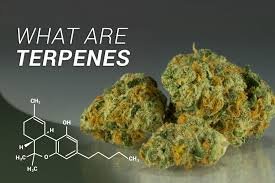
Terpenes are aromatic compounds found in many plants, including cannabis. They are responsible for smell, flavor, and a large part of the overall experience.
In cannabis, terpenes are produced in the same glands as cannabinoids (trichomes).
Quick Definition
Terpenes are organic compounds that give cannabis its smell and flavor and help shape its effects by interacting with cannabinoids.
Common Cannabis Terpenes
Terpene | Scent | Effects |
Myrcene | Earthy | Sedation, relaxation |
Limonene | Citrus | Mood boost, stress relief |
Pinene | Pine | Focus, clarity |
Linalool | Floral | Calm, anti-anxiety |
Caryophyllene | Spicy | Anti-inflammatory |
Are Terpenes Cannabinoids?
No. Terpenes are not cannabinoids.
They are a completely separate class of compounds. While cannabinoids interact directly with receptors, terpenes mainly influence how those cannabinoids behave.
Difference Between Cannabinoids and Terpenes
Here’s a clear comparison:
Feature | Cannabinoids | Terpenes |
Function | Direct effects on body | Modify effects |
Aroma | Odorless | Strong aroma |
Presence | Mostly cannabis | Many plants |
Interaction | Bind to ECS receptors | Influence cannabinoids |
Psychoactivity | THC is psychoactive | Not psychoactive |
Terpenes vs Cannabinoids Effects on the Body
- Cannabinoids determine what happens (e.g., high, pain relief)
- Terpenes determine how it feels (e.g., calm, energetic)
This is why two products with the same THC level can feel completely different.
Terpenes vs THC: Why the Same THC Feels Different
THC alone doesn’t define your experience.
- High myrcene → more sedation
- High limonene → uplifting effects
- High pinene → clearer thinking
Think of it like this:
- THC = engine
- Terpenes = steering wheel
Full-Spectrum vs Broad-Spectrum vs Isolate
Type | Description |
Full-spectrum | Contains cannabinoids + terpenes + trace THC |
Broad-spectrum | No THC, but keeps terpenes |
Isolate | Pure cannabinoid, no terpenes |
Full-spectrum products typically provide the strongest results due to the entourage effect.
How to Choose Cannabis Based on Cannabinoids and Terpenes
Goal | Recommended Profile |
Sleep | THC + CBN + Myrcene |
Anxiety | CBD + Linalool |
Focus | THC + Pinene |
Pain | CBD + CBG + Caryophyllene |
Energy | THC + Limonene |
Always check the Certificate of Analysis (COA) for terpene and cannabinoid breakdown.
Storage Matters: Protecting Cannabinoids and Terpenes
- Keep products in airtight containers
- Avoid heat, light, and air
- Use glass over plastic
Terpenes degrade quickly, which can change the experience significantly.
Conclusion
Understanding cannabinoids vs terpenes changes how you choose cannabis.
Instead of focusing only on THC percentage, look at the full profile. The right combination of cannabinoids and terpenes will always deliver a better and more predictable experience.