

Delta 7 THC is one of the rarest and least understood cannabinoids in the THC family. Unlike Delta 8 or Delta 9 THC, it does not occur naturally in meaningful amounts and is primarily created through laboratory processes. Because of this, it remains largely a research compound rather than something you’ll find in everyday cannabis products.
So why is Delta 7 THC getting attention?
It comes down to how small changes in a molecule can completely alter how it behaves in the body. Delta 7 THC is a structural variation of THC, and early findings suggest it may produce psychoactive effects that range from mild to moderately strong depending on its specific form.
In this guide, you’ll learn what Delta 7 THC is, how it works, how it compares to other THC variants, and whether it’s something you should actually care about.
Sections
ToggleWhat Is Delta 7 THC?
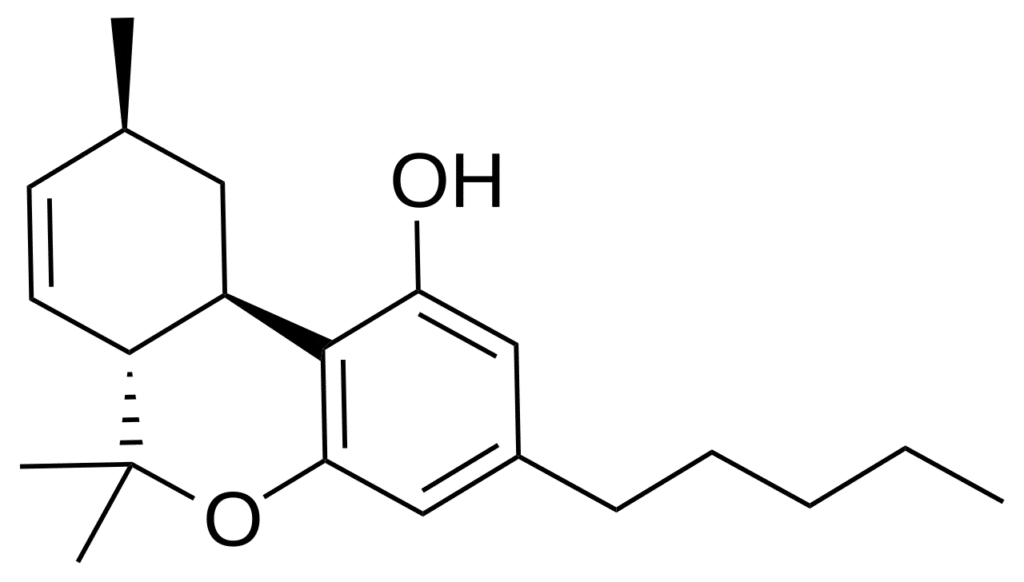
Delta 7 THC (Delta-7-Tetrahydrocannabinol) is a synthetic cannabinoid and a structural isomer of THC. This means it shares a similar chemical structure with Delta 9 THC but differs slightly in the placement of a double bond within the molecule.
That small structural shift changes how it interacts with the body’s endocannabinoid system, particularly the CB1 receptors in the brain.
Unlike Delta 9 THC, which occurs naturally in cannabis, Delta 7 THC is only found in extremely small trace amounts. Because of this, it is typically created in a lab by modifying existing cannabinoids.
Why Delta 7 THC Is So Rare
Delta 7 THC is not commercially available for a simple reason: it’s difficult and expensive to produce.
While cannabinoids like Delta 8 can be derived from CBD relatively easily, Delta 7 requires more advanced chemical processes. These processes involve rearranging the structure of THC molecules under controlled conditions.
As a result, Delta 7 THC remains primarily a research compound rather than a consumer product.
How Delta 7 THC Works in the Body
The Endocannabinoid System (ECS)
The endocannabinoid system is a network of receptors and signaling molecules that helps regulate functions like mood, sleep, appetite, and pain response.
There are two main receptors:
- CB1 receptors (mainly in the brain)
- CB2 receptors (mainly in the immune system)
Delta 7 THC Interaction
Delta 7 THC primarily interacts with CB1 receptors, which are responsible for the psychoactive effects associated with THC.
Because of this, Delta 7 THC is expected to produce:
- Changes in mood
- Altered perception
- Mild to moderate psychoactive effects
However, its exact effects depend heavily on its molecular form.
Understanding the Two Forms (Epimers)
One of the most unique aspects of Delta 7 THC is that it exists in two slightly different forms, known as epimers.
These forms behave differently in the body:
- One form is closer in strength to Delta 9 THC
- The other is significantly milder
This is important because the effects of Delta 7 THC can vary widely depending on which form is present.
What Does Delta 7 THC Feel Like?
Because Delta 7 THC is not commercially available, there is very limited real-world user data. However, based on its interaction with CB1 receptors and early findings, its effects are expected to be:
- Mild to moderate euphoria
- Relaxation
- Changes in sensory perception
- Possible appetite stimulation
Compared to Delta 9 THC, it may feel:
- Less intense
- More controlled
- Less overwhelming
That said, stronger forms of Delta 7 THC could feel closer to traditional THC effects.
Delta 7 THC vs Other THC Types
Delta 7 vs Delta 9 THC
- Delta 9 THC: Strong, naturally occurring, widely used
- Delta 7 THC: Rare, synthetic, variable potency
Delta 9 remains the standard for potency, while Delta 7 is mostly of scientific interest.
Delta 7 vs Delta 8 THC
- Delta 8 THC: Mild, widely available, hemp-derived
- Delta 7 THC: Rare, lab-created, not commercially available
Delta 8 is a practical alternative for consumers, while Delta 7 is not yet accessible.
Delta 7 vs Delta 10 THC
- Delta 10 THC: Known for lighter, more energizing effects
- Delta 7 THC: Effects depend on molecular structure
Delta 7 does not yet have a clearly defined user profile like Delta 10.
Potential Effects and Benefits
It’s important to note that research on Delta 7 THC is still very limited.
Based on what is known about THC-type cannabinoids, potential effects may include:
- Mood enhancement
- Relaxation
- Mild euphoria
- Appetite stimulation
More importantly, Delta 7 THC is valuable for research because it helps scientists understand how small structural changes affect cannabinoid behavior.
Side Effects and Safety
Since Delta 7 THC behaves similarly to other THC compounds, potential side effects may include:
- Dry mouth
- Dizziness
- Temporary memory changes
- Increased appetite
- Anxiety in higher amounts
- Impaired coordination
Because there are no human studies, its full safety profile is still unknown.
Drug Testing: Will Delta 7 Show Up?
Yes, it likely will.
Drug tests detect THC metabolites rather than specific THC types. Since Delta 7 THC is a THC isomer, it may produce similar metabolites and trigger a positive result.
Anyone subject to drug testing should avoid it.
Is Delta 7 THC Legal?
Delta 7 THC exists in a legal gray area.
While hemp-derived cannabinoids are legal in some regions, synthetic cannabinoids are often treated differently under the law.
Key points:
- It is not explicitly listed in many regulations
- Its synthetic nature raises legal concerns
- Laws vary by country and region
Always check local regulations before considering any cannabinoid.
Why You Can’t Buy Delta 7 THC
Delta 7 THC is not available in commercial products due to:
- High production cost
- Complex synthesis process
- Lack of regulatory clarity
- Limited research and safety data
If a product claims to contain Delta 7 THC, it should be approached with caution.
Future of Delta 7 THC
Delta 7 THC is still in the early stages of scientific exploration.
For it to become widely available, several things need to happen:
- More research on safety and effects
- Better production methods
- Clear legal frameworks
Until then, it remains more relevant to research than everyday use.
Conclusion
Delta 7 THC is a fascinating cannabinoid that highlights how small chemical differences can lead to very different effects in the body. While it shows scientific promise, it is not yet relevant for most consumers due to its rarity, lack of availability, and limited research.
For now, it’s best understood as a research compound rather than a practical option. As cannabinoid science continues to evolve, Delta 7 THC may eventually become more relevant, but for now it remains largely theoretical in the consumer market.