
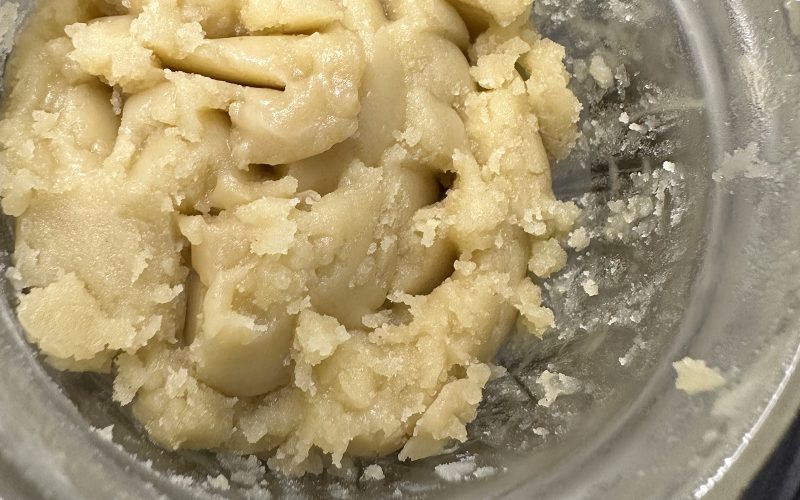
Learning how to cure hash properly is an important step in producing stable, flavorful, and high-quality hash.
After hash has been washed, collected, and dried, it still needs the right storage and handling conditions. Curing hash helps the product stabilize by controlling temperature, moisture, oxygen exposure, and light. When done correctly, the curing process can help preserve aroma, improve texture, protect terpenes, and support better storage quality.
A proper cure does not turn poor-quality hash into premium hash, but it can help protect the quality created during washing, drying, and collection. If this stage is rushed or handled incorrectly, hash can become too wet, too dry, harsh, stale, unstable, or less flavorful.
This guide explains how to cure hash, what conditions matter, how long curing can take, how to tell when hash is cured, and what mistakes to avoid.
Sections
ToggleWhat Does Curing Hash Mean?
Curing hash means storing dried hash under controlled conditions so it can stabilize after extraction and drying.
During the curing process, the hash continues to settle as moisture, oils, and terpenes stabilize inside the resin. The goal is to protect the product while improving or preserving its final texture, aroma, flavor, and consistency.
Curing is not the same as drying. Drying removes excess moisture from freshly collected hash. Curing happens after drying and helps the hash become more stable before packaging, storage, pressing, or use.
If the hash still contains too much moisture, it should not be sealed for curing. Trapped moisture can create off aromas, poor texture, and quality issues. Hash should be dry enough to remain stable before the cure begins.
Why Curing Hash Matters
Curing hash matters because hash quality can change quickly after drying.
Even well-made hash can lose aroma, flavor, and texture if it is exposed to heat, light, oxygen, or excess moisture. A controlled cure helps protect the resin and gives the product time to stabilize.
1. Better Flavor
Curing can help preserve the terpene profile that gives hash its aroma and flavor. When hash is stored in cool, dark, low-oxygen conditions, it is less likely to lose the fresh, strain-specific qualities created during extraction.
2. Improved Texture
A proper cure can help hash develop a more stable and workable texture. Depending on the resin and curing conditions, the final product may become smoother, softer, more pliable, or easier to handle.
3. Moisture Balance
Hash needs to be dry enough to stay stable, but not so aggressively dried that it loses quality. Curing helps the hash settle after drying while allowing the producer to monitor moisture, texture, and aroma.
4. Better Storage Stability
Properly cured hash is easier to store, package, press, or consume. It is less likely to degrade quickly when kept in the right conditions.
5. Higher Final Product Quality
Curing supports better aroma, texture, appearance, and user experience. For premium solventless products, this step can make a noticeable difference in final quality.
How to Cure Hash Step by Step
The exact process can vary depending on the type of hash, moisture level, starting material, and desired final texture. However, most curing hash workflows follow the same basic steps.
Step 1: Start With Properly Dried Hash
Before curing the hash, make sure it has already been dried correctly.
The hash should not feel wet, unstable, or overly sticky from excess moisture. If the hash is still too wet, it should continue drying before it is sealed in a container.
This step is especially important for bubble hash and ice water hash because moisture trapped inside the resin can cause quality problems during curing.
If you are curing bubble hash, complete proper bubble hash drying before beginning the curing stage.
Step 2: Choose a Clean Airtight Container
Place the dried hash in a clean, dry, airtight container.
Glass jars are commonly used because they are easy to clean, help limit oxygen exposure, and do not usually affect aroma. Food-safe containers can also work if they are dry, odor-free, and suitable for concentrate storage.
Avoid containers that may introduce moisture, odor, plastic smell, or contamination into the hash.
The container should be large enough to hold the hash without unnecessary compression but not so large that it leaves too much extra air inside.
Step 3: Store the Hash in a Cool, Dark Environment
Hash should be cured in a cool, dark place.
Heat can damage terpenes and reduce flavor quality. Light can also contribute to cannabinoid and terpene degradation over time.
A cool and dark environment helps protect the resin while the hash stabilizes. This is one of the most important parts of curing hash properly.
For premium solventless products, some producers may use colder conditions to create cold cure hash.
Step 4: Limit Oxygen Exposure
Oxygen exposure can speed up oxidation and weaken aroma, flavor, and texture. A 2025 study that analyzed cannabis resin samples stored for up to eight years confirmed this mechanism directly, finding that oxidative degradation of THC into cannabinol (CBN) became significantly more pronounced the longer the resin sat in storage.
Keep the container sealed during curing and avoid opening it more often than necessary. Each time the container is opened, the hash is exposed to fresh oxygen, temperature changes, and possible humidity changes.
Monitoring is important, but excessive opening can reduce quality.
Step 5: Monitor Aroma, Texture, and Moisture
Check the hash during the curing process.
The aroma should stay clean, fresh, and strain-specific. The texture should become more stable and consistent. The hash should not smell musty, sour, stale, or unpleasant.
If the hash feels too wet, smells off, or appears unstable, it may need more drying before curing continues.
Signs to monitor include:
- Aroma
- Texture
- Moisture level
- Color
- Consistency
- Stability
Step 6: Allow the Hash to Stabilize
Curing hash takes patience.
There is no single curing timeline that works for every batch. Some hash may stabilize quickly, while other batches need more time depending on resin quality, moisture level, storage temperature, container size, and final use.
The hash is cured when it has reached a stable texture, balanced moisture level, and clean aroma.
Best Conditions for Curing Hash
The best conditions for curing hash are clean, cool, dark, airtight, and moisture-controlled.
The purpose is to protect the resin from the main causes of degradation: heat, light, oxygen, and excess moisture.
1. Cool Temperature
Cool temperatures help protect terpenes and slow degradation.
Hash should not be cured in warm rooms or exposed to heat. Premium hash may benefit from colder curing conditions, especially when the goal is to preserve aroma and texture.
2. Dark Storage
Light can reduce hash quality over time.
Keep curing containers away from direct sunlight, bright production rooms, or display areas. Dark storage helps preserve cannabinoids, terpenes, and overall product quality.
3. Limited Oxygen
Airtight storage helps reduce oxygen exposure.
Too much oxygen can speed up oxidation and weaken the aroma and flavor of hash. Keeping the container sealed supports a cleaner and more stable cure.
4. Proper Moisture Control
Hash must be dry enough before curing begins.
If the hash contains too much moisture, sealing it can lead to unstable texture and off aromas. If the hash is too dry, it may become brittle or lose desirable character.
The goal is balance.
5. Clean Handling
Use clean tools, clean containers, and clean handling areas.
Hash can absorb odors and may be affected by contamination. Clean handling protects the aroma, flavor, and appearance of the final cured hash.
How Long Does It Take to Cure Hash?
There is no exact curing time that works for every batch of hash.
Curing time depends on several factors, including:
- Hash type
- Moisture level
- Resin quality
- Storage temperature
- Container size
- Starting material
- Desired texture
- Intended final use
Some hash may stabilize quickly, while other batches may take longer. Instead of relying only on a fixed timeline, producers should monitor the hash carefully.
The hash is cured when it smells clean, feels stable, and no longer shows signs of excess moisture or instability.
How to Tell If Hash Is Cured Properly
Properly cured hash should have a clean, fresh aroma. It should smell strain-specific, not musty, sour, stale, or unpleasant.
The texture should feel stable for the product type. Depending on the hash, it may be soft, pliable, sandy, granular, or more solid. The exact texture can vary, but it should not be overly wet, mushy, brittle, or inconsistent.
Properly cured hash should be easier to handle, store, package, press, or consume.
Signs of properly cured hash include:
- Clean aroma
- Stable texture
- No excess moisture
- No off smells
- Consistent appearance
- Better handling
- Good storage stability
What Happens If Hash Is Not Cured Properly?
If hash is not cured properly, it may lose quality quickly.
Poor curing can lead to:
- Weak aroma
- Harsh flavor
- Unstable texture
- Excess moisture
- Dry or brittle consistency
- Stale smell
- Faster terpene loss
- Poor storage stability
In some cases, the issue is not the cure itself but the drying stage before curing. If hash enters the curing stage too wet or contaminated, the cure may make those problems more noticeable.
Cold Curing Hash
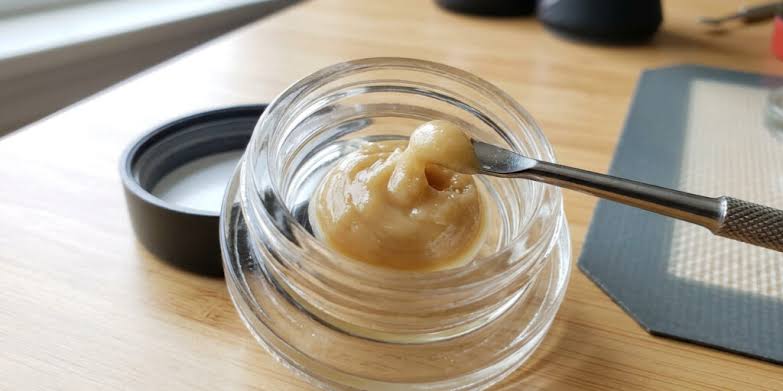
Image Courtesy: grandcannabis.ca
Cold curing hash is a specific curing method that uses lower temperatures to help preserve terpenes, flavor, aroma, and texture.
Cold curing is often used for premium bubble hash, full-melt hash, and hash that will be pressed into rosin. Lower temperatures can help slow terpene loss and reduce heat-related degradation.
Cannabinoid degradation kinetics research backs this up, finding that THC and CBD breakdown in cannabis resin accelerates sharply as storage temperature rises, with the slowest degradation occurring at the lowest temperatures tested.
Cold curing is not separate from curing hash. It is one method within the broader curing process.
For a deeper explanation of this method, see our guide to cold cure hash.
Curing Hash vs Cold Curing Hash
Curing hash is the broader process of stabilizing dried hash after extraction and drying.
Cold curing hash is a specific version of that process that uses lower temperatures to better protect delicate compounds inside the resin.
Regular curing may happen in a cool room or controlled storage area. Cold curing uses colder conditions to help preserve volatile terpenes and maintain texture.
For premium solventless hash, cold curing is often preferred. For other products, a standard cool and dark cure may be enough.
Curing Hash for Rosin Production
Curing hash is especially important when the hash will be pressed into rosin.
Hash quality directly affects rosin quality. If the hash is too wet, too dry, oxidized, contaminated, or poorly cured, the final rosin may have weak aroma, poor texture, darker color, or inconsistent yield.
For producers focused on hash rosin production, curing hash correctly helps protect the input material before pressing.
After pressing, rosin may go through a separate cold cure rosin process to develop its final texture and consistency.
Curing Hash vs Curing Rosin
Curing hash and curing rosin are related, but they are not the same process.
Curing hash happens before hash is packaged, consumed, stored, or pressed into rosin. It focuses on stabilizing trichome material after washing and drying.
Curing rosin happens after rosin has already been pressed. It is usually used to develop the texture, consistency, and flavor of the finished concentrate.
Both processes benefit from controlled temperature, limited oxygen exposure, and patience, but the product being cured is different.
Common Mistakes When Curing Hash
Curing hash requires control and patience. These mistakes can reduce the final quality of the product.
1. Curing Hash Before It Is Fully Dried
Hash should not be sealed for curing while it still contains excess moisture.
This can create off aromas, unstable texture, and quality problems. Drying should happen before curing.
2. Using Too Much Heat
Heat can damage terpenes and reduce flavor quality.
Hash should be cured in a cool environment. Premium products may benefit from colder curing conditions.
3. Opening the Container Too Often
Opening the container too frequently exposes the hash to oxygen, humidity, and temperature changes.
Check the hash when needed, but avoid unnecessary handling.
4. Ignoring Storage Conditions
Even after curing, hash can degrade if stored in warm, bright, or oxygen-rich environments.
Good storage is part of maintaining a proper cure.
5. Expecting Curing to Fix Poor Hash
Curing can help preserve and stabilize hash, but it cannot turn weak resin into premium hash.
The final quality still depends on starting material, washing technique, drying, handling, and storage.
Why Starting Material Matters
The quality of cured hash starts with the cannabis material.
Fresh, resin-rich, terpene-heavy starting material usually produces better hash than old, dry, or poorly handled flower. Genetics, harvest timing, freezing practices, washing technique, drying method, and storage all affect the final result.
Curing can help preserve good resin, but it cannot create quality that was not already present.
This is why curing should be part of a complete solventless extraction workflow, not a separate fix for product quality.
Equipment and Process Control for Hash Producers
Small-batch producers may cure hash with simple containers and cold storage, but commercial production requires more control.
At scale, producers need repeatable systems for washing, drying, curing, storage, and packaging. This can include freeze dryers, controlled cold rooms, clean handling areas, airtight containers, and standard operating procedures.
Consistent process control helps reduce batch variation and protect product quality.
For brands producing premium solventless concentrates, curing should be part of the larger production plan, not an afterthought.
Frequently Asked Questions
What does curing hash mean?
Curing hash means storing dried hash under controlled conditions so it can stabilize and develop better texture, aroma, flavor, and storage quality.
How do you cure hash?
To cure hash, start with properly dried hash, place it in a clean airtight container, store it in a cool dark environment, limit oxygen exposure, and monitor texture, aroma, and moisture balance.
How long does curing hash take?
Curing time varies by hash type, moisture level, resin quality, temperature, and desired texture. Producers should monitor aroma, texture, moisture, and stability instead of relying only on a fixed timeline.
Can you cure hash before it is dry?
No. Hash should be properly dried before curing. If it contains too much moisture, sealing it in a container can create off aromas, unstable texture, and quality problems.
Does curing hash increase potency?
Curing hash does not usually increase cannabinoid content. Its main purpose is to improve or preserve texture, aroma, flavor, and stability.
What is cold curing hash?
Cold curing hash is a curing method that uses lower temperatures to help preserve terpenes, protect texture, and slow degradation.
Is curing hash the same as curing rosin?
No. Curing hash happens before pressing, packaging, or consumption. Curing rosin happens after rosin has already been pressed.
What is the best way to store cured hash?
Cured hash should be stored in a cool, dark, airtight environment. Limiting heat, light, and oxygen exposure helps preserve aroma, texture, and quality.
Conclusion
Curing hash is an important step in producing stable, flavorful, and high-quality solventless cannabis concentrates.
After hash is dried, a proper cure helps stabilize texture, preserve terpenes, protect aroma, and improve storage quality. The best results come from clean containers, cool temperatures, dark storage, limited oxygen exposure, proper moisture control, and careful monitoring.
For producers making premium bubble hash, full-melt hash, or hash intended for rosin production, curing should be part of the full production workflow. It should not be treated as a final afterthought.
When done correctly, curing hash helps protect the quality of the resin and supports a cleaner, more stable, and more flavorful final product.