
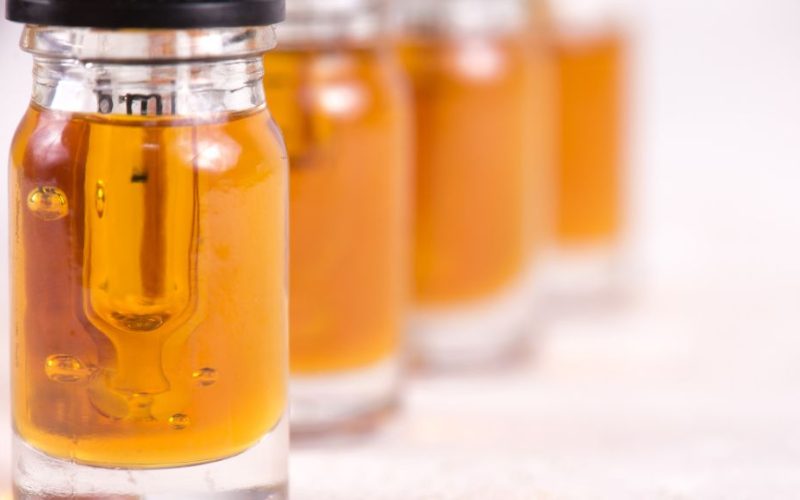
Cold water extraction has become one of the most respected methods for producing solventless cannabis concentrates. As more producers focus on clean processing, terpene preservation, and premium resin quality, this method continues to stand out.
Also known as ice water extraction, cold water extraction uses water, ice, agitation, and filtration to separate trichome heads from cannabis plant material. The collected resin is commonly known as bubble hash, ice water hash, or water hash.
Unlike solvent-based extraction methods, cold water extraction does not rely on butane, propane, ethanol, or other chemical solvents. Instead, it uses temperature and mechanical separation to isolate the resin-rich parts of the plant. This makes it especially valuable for producers who want a cleaner, solventless process with strong market appeal.
This guide explains what cold water extraction is, how it works, why it matters, and what factors influence the quality of the final concentrate.
Sections
ToggleWhat Is Cold Water Extraction?
Cold water extraction is a solventless cannabis extraction method that separates trichomes from plant material using cold water, ice, gentle agitation, and mesh filtration bags.
Trichomes are the resin glands found on cannabis flowers and sugar leaves. These tiny structures contain many of the plant’s cannabinoids, terpenes, and aromatic compounds. Since the most valuable resin is concentrated in the trichomes, the goal of cold water extraction is to remove those trichome heads while leaving behind as much unwanted plant material as possible.
The process is called cold water extraction because low temperatures help make trichome heads more brittle. When the plant material is gently agitated in cold water, the trichomes can break away from the flower. The water then carries those resin glands through a series of mesh bags, where they are separated by size.
Once collected and dried, the final product is bubble hash.
Is Cold Water Extraction the Same as Ice Water Extraction?
Yes, cold water extraction and ice water extraction usually refer to the same process.
The terms are often used interchangeably because both describe a method that uses cold water, ice, agitation, and filtration to separate cannabis trichomes. Some producers may use the term ice water extraction when they want to emphasize the use of ice, while others may use cold water extraction as a broader term.
In most cannabis extraction content, the meaning is the same:
Cold water extraction is a solventless method used to produce bubble hash by separating trichomes with cold water and filtration.
Why Cold Water Extraction Is Popular?
Cold water extraction is popular because it offers a clean and mechanically simple way to produce cannabis concentrate without chemical solvents. For brands, processors, and extraction labs, this can be a major advantage.
The biggest benefits include solventless production, strong terpene preservation, clean resin separation, premium product potential, and flexibility for further processing.
Because no hydrocarbon or alcohol solvent is used, there is no solvent purging stage in the same way there would be with solvent-based extraction. This can simplify certain parts of the workflow while also supporting a clean-label product position.
Cold water extraction is also valued because it can produce high-quality bubble hash that may be sold as a finished concentrate or used as starting material for hash rosin. For many premium solventless brands, bubble hash is an essential first step in creating top-tier rosin products.
How Cold Water Extraction Works?
Cold water extraction works by using low temperature and movement to separate trichomes from cannabis material.
The basic process includes five main stages.
1. Preparing the Starting Material
The process begins with cannabis flower or trim. Many producers prefer fresh frozen cannabis because it can help preserve the plant’s original terpene profile when handled correctly. Dried material can also be used, but fresh frozen material is often preferred for premium live solventless products.
Quality starts with the input material. If the cannabis is low quality, poorly stored, contaminated, or not resin-rich, cold water extraction will not magically create a premium result. The best bubble hash usually starts with clean, resinous, well-preserved cannabis.
2. Washing in Cold Water
The cannabis material is placed into cold water with ice. The low temperature helps make trichome heads brittle. Gentle agitation then encourages the trichomes to separate from the plant material.
The goal is not to grind or shred the cannabis. The goal is to let the water movement separate the resin glands as cleanly as possible.
Too much agitation can break down plant material and reduce quality. Too little agitation may result in lower yield. This is why controlled washing is important, especially for commercial-scale production.
3. Filtering Through Mesh Bags
After agitation, the water and resin mixture is passed through a set of mesh filtration bags. These bags are usually arranged by micron size.
Larger micron screens catch bigger particles, while smaller micron screens collect finer resin heads. This allows processors to separate different grades of hash based on particle size and quality.
Micron separation is one of the reasons cold water extraction can produce different grades from the same wash. Some fractions may be higher quality and better suited for premium products, while others may be used for different processing goals.
4. Collecting the Resin
Once the trichomes are captured in the filtration bags, they are carefully collected. At this stage, the material is wet and delicate.
Careful handling matters because wet hash can be vulnerable to contamination, oxidation, and quality loss. The cleaner the collection process, the better the final result.
5. Drying the Bubble Hash
Drying is one of the most important stages in cold water extraction. The collected resin must be dried properly to remove moisture and protect quality.
If bubble hash is not dried correctly, it may develop storage problems, texture issues, or microbial risks. Many commercial processors prefer freeze drying because it offers more control and can help preserve color, aroma, and consistency.
A 2025 Cornell postharvest study on hemp confirms this preference with data, finding that freeze drying and hot-air drying both preserved cannabinoid content and reduced microbial loads more effectively than slow ambient air drying.
Air drying can also be used, but it usually takes longer and requires careful environmental control.
Cold Water Extraction vs Solvent-Based Extraction
Cold water extraction is different from solvent-based extraction because it does not dissolve cannabinoids and terpenes with a chemical solvent. Instead, it uses mechanical separation.
Solvent-based extraction methods may use butane, propane, ethanol, or other solvents to strip compounds from the plant. These methods can be efficient and scalable, but they require specialized equipment, safety systems, solvent recovery, and proper purging.
Cold water extraction avoids many solvent-related concerns because it uses water and ice. However, that does not mean it is automatically easy. High-quality solventless production still requires skill, clean equipment, temperature control, proper drying, and careful storage.
The main difference is simple:
Solvent-based extraction uses chemicals to extract compounds from the plant.
Cold water extraction uses cold water and movement to separate resin glands from the plant.
Cold Water Extraction vs Dry Sift
Dry sift is another solventless method, but it does not use water. Instead, it uses screens to separate trichomes from dried cannabis material.
Dry sift can produce excellent resin, but it may also collect more fine plant particles if the process is not carefully controlled. Cold water extraction can help reduce some unwanted dry contaminants because the resin is separated in water and filtered through bags.
Both methods can be valuable, but cold water extraction is often preferred when the goal is to produce bubble hash or premium hash rosin starting material.
Key Benefits of Cold Water Extraction
Solventless Processing
One of the biggest advantages of cold water extraction is that it does not require chemical solvents. This supports a clean production method and can reduce concerns around residual solvents in the final concentrate.
Strong Terpene Preservation
When performed correctly, cold water extraction can help preserve the natural terpene profile of the starting material. This is especially important when using fresh frozen cannabis for live solventless products.
Premium Bubble Hash Production
Cold water extraction is the standard method for making bubble hash. High-quality bubble hash can have strong visual appeal, rich aroma, and excellent resin purity.
Ideal Starting Material for Hash Rosin
Many producers use bubble hash as the input material for hash rosin. After the bubble hash is dried, it can be pressed with heat and pressure to create rosin.
No Solvent Purging Stage
Since cold water extraction does not use hydrocarbon or alcohol solvents, there is no solvent purging stage like there is with many solvent-based concentrates. Proper drying is still essential, but the process avoids solvent removal as a production concern.
Scalable for Commercial Production
Cold water extraction can be performed at small or commercial scale. Larger operations often use stainless steel washing vessels, controlled agitation systems, chilled water systems, freeze dryers, and clean-room-style workflows to improve consistency.
Important Quality Factors in Cold Water Extraction
Starting Material
The quality of the cannabis input has a major impact on the final bubble hash. Resin-rich cultivars, proper harvest timing, good storage, and clean handling all matter.
Not every cultivar washes well. Some cannabis varieties release trichomes more easily than others. This is why many processors test small batches before scaling up production.
Temperature Control
Cold temperature is central to the process. Low temperatures help trichomes become brittle and easier to separate. They also help reduce unwanted plant breakdown during washing.
If the water gets too warm, resin can become greasy or sticky, and separation may become less efficient. A cold working environment can help maintain quality throughout the process.
Water Quality
Clean water matters. Many commercial producers use reverse osmosis or purified water to reduce the risk of introducing contaminants. Since water directly contacts the cannabis material and resin, water quality should not be overlooked. California’s cannabis manufacturing regulations make this a formal requirement and not just a best practice that any water that contacts cannabis, cannabis products, or contact surfaces during processing must be potable.
Agitation
Agitation should be strong enough to separate trichomes, but gentle enough to avoid shredding plant material. Overly aggressive agitation can reduce quality by adding unwanted green material into the wash.
Controlled agitation is one of the main differences between average bubble hash and premium bubble hash.
Filtration
The mesh bag setup affects how the resin is separated. Different micron bags collect different resin sizes and grades. A good filtration process helps processors separate premium fractions from lower-grade material.
Drying
Drying can make or break the final product. Wet hash must be dried thoroughly and carefully. Poor drying can cause clumping, darkening, off-aromas, or microbial concerns.
Freeze drying is often preferred in commercial environments because it provides better control over moisture removal.
Storage
After drying, bubble hash should be stored in airtight containers in a cool, dark environment. Heat, light, oxygen, and moisture can all affect quality over time.
Common Mistakes in Cold Water Extraction
One common mistake is using poor starting material. Cold water extraction works best with cannabis that has strong resin quality. Low-quality input usually leads to low-quality output.
Another mistake is using too much agitation. Aggressive mixing can break down plant matter and reduce the cleanliness of the final hash.
A third mistake is allowing the process to become too warm. Cold conditions are important from washing through collection.
Poor drying is another major issue. Even if the wash goes well, improper drying can damage the final product.
Finally, many producers underestimate storage. Bubble hash is sensitive, and poor storage can affect aroma, texture, color, and overall quality.
What Equipment Is Used for Cold Water Extraction?
The equipment used depends on the scale of production.
Small-batch setups may include wash vessels, ice, water, paddles, mesh bags, collection tools, and drying trays.
Commercial operations may use:
- Stainless steel washing vessels
- Automated or semi-automated washing systems
- Chilled water systems
- Reverse osmosis water systems
- Multi-bag filtration setups
- Freeze dryers
- Cold rooms
- Sanitary collection tools
- Airtight storage containers
For commercial producers, equipment selection affects consistency, cleanliness, throughput, labor needs, and final product quality.
Cold Water Extraction and Bubble Hash Quality
Bubble hash quality is often judged by purity, aroma, color, texture, melt quality, and cleanliness. High-quality bubble hash usually contains a high concentration of resin heads with minimal plant contamination.
However, color alone should not be the only quality marker. Some cultivars naturally produce darker resin. A lighter color can be attractive, but lab testing, aroma, texture, and cleanliness are also important.
The best results usually come from a full quality-control approach:
- Use strong starting material
- Keep the process cold
- Use clean water
- Control agitation
- Separate micron grades carefully
- Dry the resin properly
- Store the finished hash correctly
- Use lab testing when required
Is Cold Water Extraction Safe?
Cold water extraction avoids many risks associated with volatile solvents, but safety and compliance still matter.
Commercial producers should follow local cannabis regulations, sanitation standards, equipment guidelines, and lab testing requirements. Wet environments can create contamination risks if tools, rooms, and drying equipment are not properly maintained.
In professional production, cold water extraction should be treated as a controlled process, not just a simple wash.
Why Cold Water Extraction Matters for Cannabis Brands?
Cold water extraction matters because solventless products continue to have strong appeal in the cannabis market. Many consumers and retailers associate solventless concentrates with cleaner processing, premium quality, and better preservation of the original plant profile.
For brands, this creates an opportunity to build high-value product lines around bubble hash and hash rosin. However, the market is competitive. Producers need more than basic equipment. They need consistency, quality control, reliable drying, strong input material, and repeatable workflows.
A well-managed cold water extraction process can help brands produce concentrates that stand out for purity, aroma, and craftsmanship.
Frequently Asked Questions
What is cold water extraction?
Cold water extraction is a solventless cannabis extraction method that uses cold water, ice, agitation, and filtration bags to separate trichome heads from plant material.
Is cold water extraction the same as ice water extraction?
Yes. Cold water extraction and ice water extraction usually refer to the same process. Both terms describe using cold water and filtration to produce bubble hash.
What does cold water extraction produce?
Cold water extraction produces bubble hash, also known as ice water hash or water hash. This resin-rich concentrate can be used as a finished product or as starting material for hash rosin.
Why is cold water used in extraction?
Cold water helps make trichome heads brittle, which makes them easier to separate from the plant material during agitation.
Does cold water extraction use solvents?
Cold water extraction does not use chemical solvents such as butane, propane, or ethanol. It uses water, ice, movement, and mesh filtration.
What affects the quality of cold water extraction?
The biggest quality factors include starting material, temperature, water quality, agitation, filtration, drying, and storage.
Why is drying important after cold water extraction?
Drying removes moisture from the collected resin. If bubble hash is not dried properly, it can develop quality and storage problems.
Final Thoughts
Cold water extraction is one of the most important solventless methods in modern cannabis processing. It uses a simple principle, but producing premium results requires careful control.
The process works by using cold water and gentle movement to separate resin-rich trichomes from cannabis material. Once collected and dried, those trichomes become bubble hash, a concentrate valued for purity, aroma, and solventless appeal.
For cannabis producers, cold water extraction offers a strong path toward premium solventless products. The best results come from high-quality starting material, cold temperatures, clean water, proper filtration, controlled drying, and careful storage.
When done correctly, cold water extraction can preserve the character of the plant while creating a clean, high-value concentrate for today’s solventless market.