THCa wax is made by extracting biomass with closed-loop hydrocarbon extraction, then purging the crude oil at 100-115°F under vacuum for 24 to 72 hours and whipping it late in the purge for its soft, opaque texture, all while staying below the temperature that would decarboxylate THCa into THC.
This guide covers each step, the equipment needed, and the residual solvent and potency testing required before a batch can be sold.
Sections
ToggleKey Takeaways
- THCa wax production runs through five stages: material prep, closed-loop hydrocarbon extraction, vacuum purging, whipping for texture, and residual solvent/potency testing before release.
- Purge temperature (100-115°F) and duration (24-72 hours) aren’t just about clearing residual solvent, staying below the decarboxylation threshold is what keeps the product THCa rather than converting it to THC.
- Peer-reviewed kinetics research shows THCA decarboxylates fully within 90 minutes at 120°C (248°F), underscoring how much margin for error a properly run low-temperature purge actually has.
- Purge oven capacity, not extraction throughput, is typically the bottleneck when scaling production, since purge duration doesn’t shrink with batch size.
- Residual solvent limits vary by state and solvent, and visual cues during purging are not a substitute for lab-verified testing before a batch is released.
Process Stages at a Glance
Process Stage | Key Parameters | What It Determines |
Solvent extraction | Closed-loop hydrocarbon system, chilled butane/propane, C1D1 room | Starting crude quality and terpene retention |
Purging | 100-115°F, full vacuum (~-29.5 inHg), 24-72 hours | Residual solvent removal without triggering decarboxylation |
Whipping | Agitation during the final purge stage while still pliable | Wax’s characteristic soft, opaque consistency |
Testing | Headspace GC-FID/GC-MS for residual solvent; HPLC for potency | Compliance clearance and label accuracy |
How to Make THCa Wax?

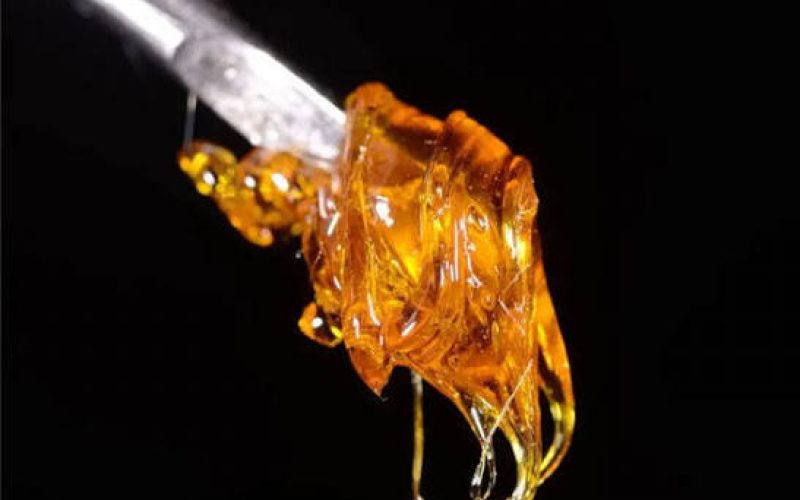
Image Courtesy: The Calm leaf
Five stages take biomass to finished, tested wax. Getting the sequence and parameters right at each one is what separates consistent, compliant product from a batch that fails testing or comes out the wrong texture.
1. Starting Material Prep
Fresh-frozen or cured flowers both work, with fresh-frozen generally producing a more terpene-forward result. Material should be broken down enough to pack evenly into the extraction column without excessive compaction, which restricts solvent flow and produces uneven extraction across the batch.
2. Solvent Extraction
Biomass is packed into a closed-loop hydrocarbon extraction column, and chilled butane, propane, or a blend is passed through it to dissolve cannabinoids and terpenes. The solvent carrying dissolved compounds is collected, then recovered back into the tank for reuse, leaving crude oil behind in the collection vessel. This step requires a Class 1 Division 1 (C1D1) rated room given the flammability of the solvent involved.
3. Purging: Vacuum, Heat, and Time
The crude oil still contains residual solvent that has to be removed before the product is safe or legal to sell. Standard practice holds BHO crude at 100 to 115°F under close to full vacuum (around -29.5 inHg) for 24 to 72 hours, spread thin (roughly 1 to 2 mm film thickness) to maximize surface area for solvent to escape.
That temperature range matters for a second reason specific to THCa wax: peer-reviewed kinetics research on cannabinoid decarboxylation shows THCA decarboxylates fully within 90 minutes at 120°C (248°F) and even faster at higher temperatures, meaning a purge run significantly above the 100-115°F range for an extended period risks converting THCa into THC rather than preserving the acidic form the product is named for.
4. Whipping for Wax Consistency
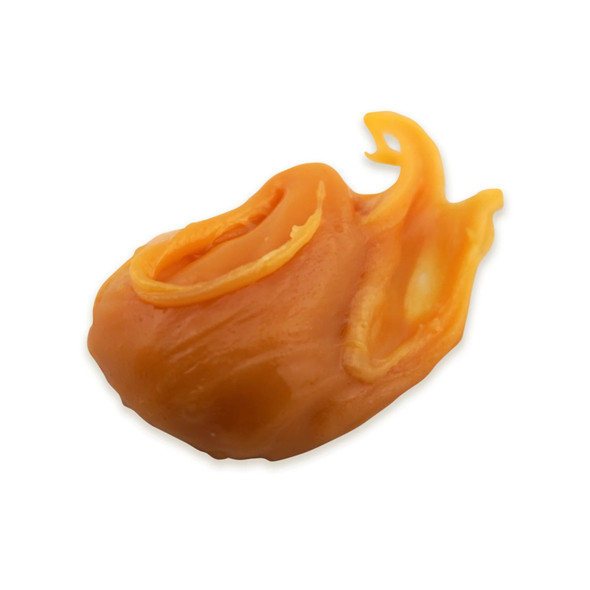
Wax gets its characteristic soft, opaque texture from agitation, whipping the extract while it’s still pliable during the later stage of purging, which introduces air and changes how the material sets. Left undisturbed, the same crude would set into shatter instead; whipped further at higher heat, it becomes budder.
5. Residual Solvent and Potency Testing
Before release, every batch needs residual solvent testing, typically via headspace gas chromatography (GC-FID or GC-MS), and potency testing via HPLC to confirm THCa, THC, and total cannabinoid content for the label. Visual cues like the absence of bubbling under vacuum suggest a purge is close to complete but aren’t a substitute for lab-verified results; solvent can remain trapped in the matrix below the threshold of visible bubble formation.
Dialing In Purge Parameters for Consistent Results
Small shifts in temperature, vacuum depth, or time change both how fast a batch clears residual solvent and how much risk it carries of drifting into decarboxylation or an inconsistent texture.
Research on cannabinoid thermo-chemical conversion has found that THCA’s decarboxylation rate constant increases directly with temperature across the 75-150°C range, meaning there’s no safe plateau where extra heat speeds up solvent removal without also accelerating conversion, the two effects move together, not independently.
- Temperature too low: purge stalls, extending time well beyond 72 hours without reliably clearing residual solvent
- Temperature too high or held too long: risks decarboxylating THCa into THC, changing the cannabinoid profile even though total cannabinoid content isn’t lost
- Insufficient vacuum depth: slows solvent evaporation regardless of temperature, since vacuum is what lowers the solvent’s effective boiling point
- Film too thick: reduces the surface area available for solvent to escape, extending purge time even under otherwise correct conditions
Equipment Needed at Each Stage
A functioning THCa wax production line needs equipment matched to each stage: a closed-loop hydrocarbon extraction system with active recovery for the extraction step, a vacuum oven capable of holding steady low-heat temperatures with a reliable vacuum pump for purging, and analytical instrumentation (or a relationship with a third-party lab) for residual solvent and potency testing.
Undersizing any one of these relative to the others creates a bottleneck, a fast extraction system feeding an undersized purge oven just means crude sits in queue waiting for purge capacity to free up.
Scaling THCa Wax Production for Commercial Volume
Purge oven capacity is usually the binding constraint when scaling up, not extraction throughput. Because purging runs 24 to 72 hours regardless of batch size, doubling extraction output without adding purge capacity just doubles the queue of crude waiting to be purged.
Consistency also gets harder to hold at scale: batch-to-batch texture variation becomes more noticeable when multiple purge ovens or multiple operators are running simultaneously, which is why standardized SOPs for film thickness, vacuum level, and whip timing matter more as volume increases. Facilities planning this kind of scale-up benefit from layout and workflow planning that sizes purge and testing capacity to match extraction output from the start, rather than discovering the mismatch after equipment is already installed.
Compliance: Residual Solvent Limits and Facility Requirements
Residual solvent limits vary by state and by solvent; Utah’s cannabis testing rules, for example, list specific action-level thresholds in parts per million for individual residual solvents rather than a single blanket limit. Facilities need to confirm the applicable limits in their own licensing jurisdiction rather than assuming a number from another state applies.
On the facility side, hydrocarbon extraction and purging both require operating within a C1D1-rated space given the flammability of butane and propane vapor, with explosion-proof electrical systems and gas detection, a requirement that applies to the purge oven room as much as the extraction room itself.
Common Mistakes That Ruin Consistency or Fail Testing
Most failed batches or inconsistent texture trace back to a handful of recurring errors rather than equipment limitations:
- Rushing the purge to hit a production deadline: pulling material early risks failing residual solvent testing, which costs far more time than the purge itself would have
- Overheating to speed up the purge: trades purge speed for the risk of unintended decarboxylation, changing the product from THCa wax to something else entirely
- Inconsistent whip timing: whipping too early or too late in the purge cycle produces batch-to-batch texture variation even when the underlying crude quality is the same
- Relying on visual cues instead of lab testing: no bubbling under vacuum suggests a purge is close but doesn’t confirm it, and residual solvent below the visible threshold can still fail testing
Conclusion
Making THCa wax well comes down to controlling the same handful of variables deliberately at each stage: clean extraction, a purge held in the right temperature and vacuum range for long enough to clear solvent without decarboxylating the product, agitation timed correctly for the target texture, and lab-verified testing before release. None of these steps are optional shortcuts, skipping or rushing any one of them shows up either as a failed test or an inconsistent batch.
Frequently Asked Questions
1. Can THCa wax be made from cured flowers, or does it require fresh-frozen material?
Both work. Fresh-frozen material generally preserves more of the original terpene profile since it skips the drying and curing steps that allow some terpene loss, but cured flower is a perfectly viable starting material and is more commonly used for standard (non-live) wax production.
2. How can a producer tell if a batch has been over-purged versus under-purged?
Under-purged material typically still shows some bubbling under vacuum and will fail or come close to failing residual solvent testing. Over-purged material, especially if it ran too hot for too long, may show unexpected THC content relative to THCa on a potency test, indicating some decarboxylation occurred, even though the physical texture may look normal.
3. Does the choice between butane and propane affect the wax purging process?
Propane’s lower boiling point means it purges out somewhat faster and at a lower required temperature than butane, which can shorten the purge window slightly. However, the core parameters, staying within the temperature range that avoids decarboxylation and holding sufficient vacuum, apply to both solvents.
4. Why would a lab report show both THCa and THC on a wax that’s supposed to be all THCa?
Some conversion during extraction and purging is essentially unavoidable even under well-controlled conditions; a small percentage of THC alongside a much larger percentage of THCa is normal and doesn’t indicate a process failure. A lab report showing roughly equal parts THCa and THC, or more THC than THCa, generally does indicate the purge ran hotter or longer than intended.
5. Is a vacuum oven purge always required, or are there alternative purging methods?
Vacuum oven purging is the standard commercial method because it allows solvent removal at lower temperatures than would otherwise be required, which is exactly what protects THCa from decarboxylating. Purging without vacuum requires higher heat to achieve the same solvent removal, which raises the decarboxylation risk substantially and is generally not used for products specifically marketed as THCa concentrates.