
Medical Disclaimer: This article is for informational purposes only and does not constitute medical advice. Consult a qualified healthcare professional before using any cannabinoid product, especially if you take medications or have an existing health condition.
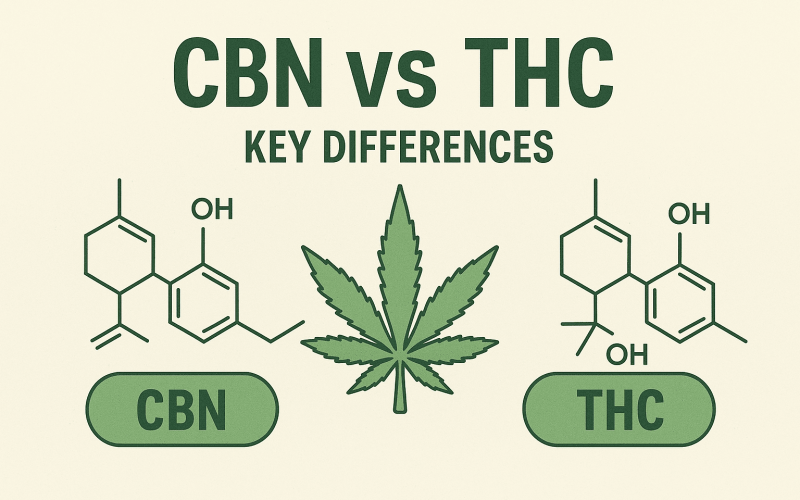
Understanding the difference between CBN vs THC is essential for anyone exploring cannabinoid-based wellness, sleep support, or recreational use. Both CBN (cannabinol) and THC (delta-9-tetrahydrocannabinol) originate from the cannabis plant, yet they differ significantly in how they form, how they feel, and what they are used for.
This guide covers everything you need to know about CBN vs THC in 2026: their effects, potential benefits, how they interact with the body, legal status, drug test implications, and which cannabinoid may suit your specific goals.
Sections
ToggleWhat Is CBN (Cannabinol)? The Cannabinoid That Forms From Aged THC
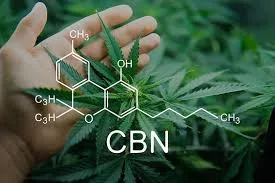
CBN (cannabinol) is a mildly psychoactive cannabinoid that forms naturally when THC degrades through oxidation, heat exposure, or extended aging of cannabis material. Because it is a breakdown product of THC, aged cannabis plants tend to have higher CBN concentrations. This process also reduces psychoactive potency while leaving behind notable sedative properties, which is why CBN is commonly called the sleep cannabinoid.
Key characteristics of CBN:
- Occurs naturally in aged cannabis through the slow breakdown of THC
- Mildly psychoactive, producing gentle relaxation without significant euphoria
- Primarily recognized for sedative and sleep-promoting effects
- Interacts with CB1 and CB2 receptors, with a stronger affinity for CB2
- Increasingly available in dedicated sleep products such as nighttime gummies and tinctures
What Is THC (Delta-9-Tetrahydrocannabinol)?
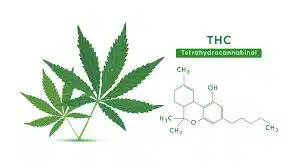
THC (delta-9-tetrahydrocannabinol) is the primary psychoactive cannabinoid responsible for the classic cannabis high. It is biosynthesized by the plant from its acidic precursor THCA through a process called decarboxylation, which is triggered by heat. THC is the most researched cannabinoid in existence, with a broad range of documented effects spanning euphoria and altered perception to pain relief and appetite stimulation.
Key characteristics of THC:
- Highly psychoactive cannabinoid producing euphoria, altered sensory perception, and cognitive changes
- Offers therapeutic benefits including pain relief, appetite stimulation, nausea reduction, and mood enhancement
- Strong agonist at both CB1 and CB2 receptors in the endocannabinoid system
- Federally classified as a Schedule I controlled substance in the United States
- Used for both medical and recreational purposes in states where it is legalized
CBN vs THC: Key Differences
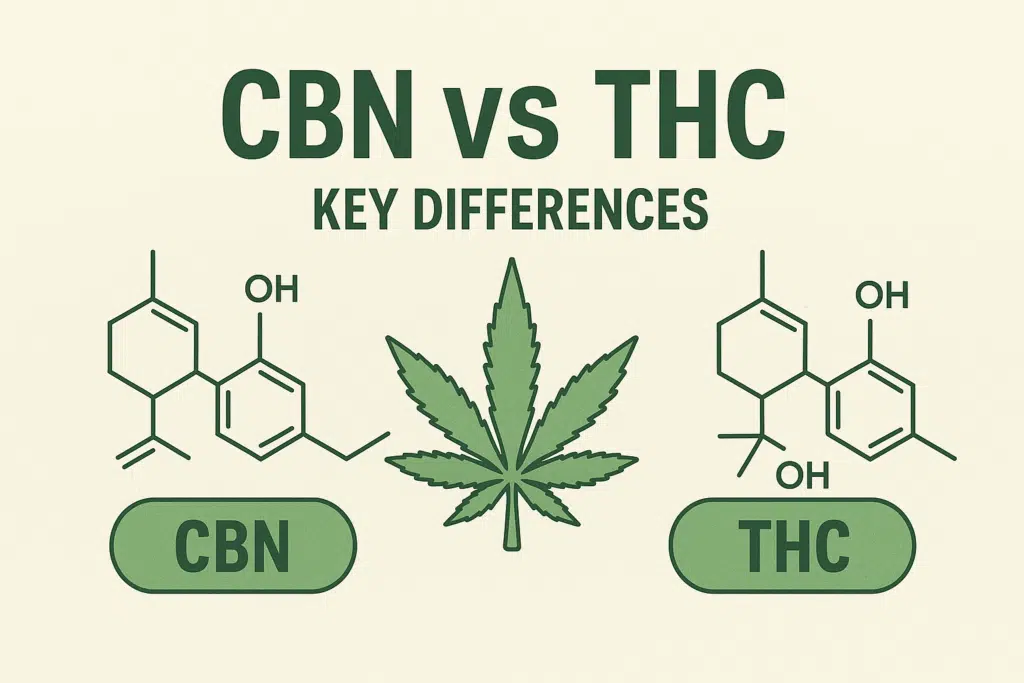
| Feature | CBN (Cannabinol) | THC (Delta-9-THC) |
|---|---|---|
| Psychoactivity | Mildly psychoactive; approx. 10% of THC potency | Highly psychoactive; produces pronounced high |
| How It Forms | Degradation product of aged or oxidized THC | Synthesized by cannabis plant from THCA |
| Primary Uses | Sleep support, relaxation, sedation | Recreation, pain relief, appetite, mood enhancement |
| Receptor Binding | Weak CB1 binding; stronger CB2 affinity | Strong CB1 and CB2 receptor agonist |
| Potency | Low psychoactive potency; strong sedative effects | High psychoactive and therapeutic potency |
| Common Products | Sleep tinctures, nighttime gummies, topicals | Flower, vapes, edibles, concentrates, beverages |
| Legal Status (US) | Legal gray area; often hemp-derived and federally compliant | Federally illegal (Schedule I); state-dependent |
| Drug Test Risk | May trigger positive test; limited detection research | Definitely triggers positive THC drug tests |
CBN vs THC Effects: What Does Each Cannabinoid Feel Like?
The user experience of CBN and THC differs considerably, both in intensity and in character.
CBN effects
- Minimal psychoactive effects; produces gentle sedation and drowsiness without overwhelming intoxication
- Promotes mild body relaxation and muscle tension relief, creating a comfortable physical calm
- Creates a subtle sense of mental quietness that may help with sleep onset without causing cognitive impairment
- Generally described as a winding-down feeling rather than a high
THC effects
- Pronounced euphoria or high, resulting in significant mood elevation and altered state of consciousness
- Psychoactive effects include altered sensory perception affecting time, sound, color, and taste
- Increased appetite after use due to CB1 receptor activation in hunger-regulating brain regions
- Depending on dose and individual tolerance, may cause heightened anxiety or paranoia
CBN vs THC for Sleep: Which Is More Effective?
Sleep is the most common reason people reach for CBN products. CBN has built a strong reputation as a natural sleep aid, particularly in combination with other sedating cannabinoids or terpenes such as myrcene. Preliminary research and anecdotal reports suggest that CBN may improve sleep onset and overall sleep quality, though large-scale clinical trials remain limited as of 2026.
THC also has recognized sleep-influencing properties. Controlled THC use can help users fall asleep faster and may increase time spent in deep (slow-wave) sleep stages. However, chronic or high-dose THC use is associated with reduced REM sleep and potential dependency over time.
Bottom line: For occasional or long-term sleep support without intoxication, CBN is the more targeted option. THC may be more effective for people who need rapid sleep onset and are already using it for pain or anxiety, but carries a higher risk of sleep architecture disruption with prolonged use.
Potential Benefits of CBN
1. Sleep Support
CBN has gained the most recognition as a sleep enhancer, with several cannabis products combining it with other sedating cannabinoids or terpenes to promote sleep onset and quality.
2. Physical Relaxation
CBN promotes muscle relaxation and physical ease without heavy sedation, making it useful for evening unwinding or post-exercise recovery.
3. Mental Calm
CBN produces gentle anxiolytic effects that may help quiet racing thoughts and encourage mental tranquility before sleep.
4. Anti-Inflammatory Potential
Emerging clinical research suggests CBN may offer anti-inflammatory benefits through interaction with the CB2 receptor, which could be relevant for conditions involving chronic inflammation.
5. Eye Health
Some early studies suggest CBN may help reduce intraocular pressure, which is of interest for glaucoma research, although further investigation is needed before clinical recommendations can be made.
6. Enhanced Effects When Combined With THC
When used alongside THC, CBN can extend and deepen specific effects through what researchers call the entourage effect, potentially increasing overall sedation.
Potential Benefits of THC
1. Stress and Anxiety Relief
Low to moderate THC doses can provide significant anxiety reduction and stress relief. Importantly, high doses can paradoxically increase anxiety in some individuals, so careful dosing is essential.
2. Pain and Inflammation Support
THC has well-documented analgesic properties through CB1 receptor activation. It can be effective for neuropathic pain, arthritis, and cancer-related discomfort, and is one of the most studied cannabinoids for pain management.
3. Improved Sleep Onset
Controlled THC use can help users fall asleep faster and may increase time in deep sleep stages. Chronic use, however, can disrupt REM sleep and create tolerance or dependency.
4. Appetite Stimulation
THC powerfully stimulates appetite through CB1 receptor activation in appetite-regulating brain regions. This is especially helpful for patients experiencing medication-induced appetite loss due to conditions such as cancer or HIV.
5. Nausea and Vomiting Relief
THC effectively reduces nausea and prevents vomiting, particularly in chemotherapy patients. This application has received FDA approval in the form of dronabinol (Marinol).
CBN vs THC: How Each Works in the Body
Both cannabinoids interact with the body through the endocannabinoid system (ECS), a network of receptors, enzymes, and endogenous ligands that regulates mood, sleep, pain, appetite, and immune function.
CBN acts as a weak partial agonist at CB1 receptors and has stronger affinity for CB2 receptors. By interacting primarily with the immune system and peripheral tissues, CBN produces mild psychoactivity combined with sedative, anti-inflammatory, and potentially neuroprotective effects.
THC functions as a potent agonist at both CB1 and CB2 receptors, with particularly powerful affinity for CB1. This CB1 interaction drives the characteristic psychoactive effects. THC mimics the body’s own endocannabinoids, influencing neurotransmitter release and affecting mood, perception, pain, and appetite across multiple brain regions.
Dosage Guide: How Much CBN or THC Should You Take?
Optimal dosing varies considerably by individual body weight, tolerance, metabolism, and the specific product being used. The following ranges reflect general starting points and should not substitute personalized medical guidance.
CBN dosage
- Beginner dose: 2.5 mg to 5 mg
- Standard sleep dose: 5 mg to 20 mg taken 30 to 60 minutes before bedtime
- Higher tolerance dose: 20 mg to 50 mg (consult a healthcare provider)
- Best consumed in tincture or gummy form for consistent absorption
THC dosage
- Microdose (anxiety, focus): 1 mg to 2.5 mg
- Low dose (mild euphoria, pain relief): 2.5 mg to 10 mg
- Moderate dose (stronger effects): 10 mg to 25 mg
- High dose (experienced users only): 25 mg and above
Important: Always start with the lowest effective dose and wait at least 90 minutes before redosing edibles, as onset can be delayed.
Will CBN or THC Show Up on a Drug Test?
This is one of the most searched questions around CBN vs THC, and the answer requires nuance.
THC will definitively trigger a positive result on standard urine, blood, saliva, and hair drug tests. THC-COOH, the primary THC metabolite, is exactly what these tests are designed to detect.
CBN is trickier. Standard immunoassay drug tests screen for THC metabolites, and some research suggests CBN metabolites may cross-react with these screening antibodies, potentially producing a false positive. The science on this is not yet definitive as of 2026. If you are subject to workplace or legal drug testing, err on the side of caution with any cannabinoid product.
Side Effects and Safety
CBN side effects
- Drowsiness and sedation may impair ability to drive or operate machinery in sensitive individuals
- Can cause dizziness, lightheadedness, or dry mouth
- Potential drug test complications as noted above
- Limited long-term safety data available; research is still emerging
THC side effects
- Strong doses can trigger anxiety, paranoia, or panic attacks, especially in inexperienced users
- Impaired short-term memory and cognitive function during intoxication
- Increased heart rate, impaired coordination, and reduced motor skills
- Risk of dependency with chronic heavy use
- Not recommended during pregnancy or for individuals with a personal or family history of psychosis
CBN vs THC vs CBD: How All Three Compare
CBN vs CBD
- CBD is entirely non-psychoactive, while CBN produces mild psychoactive effects
- CBD has broad research supporting effects on anxiety, epilepsy, and inflammation; CBN’s evidence base is much narrower and primarily sleep-focused
- CBD works largely outside the main CB1/CB2 receptor system; CBN binds both, though weakly
THC vs CBD
- THC is highly psychoactive; CBD causes no intoxication
- THC has significant appetite-stimulating effects; CBD typically does not
- CBD may counteract some unwanted THC effects such as anxiety through negative allosteric modulation at CB1 receptors
Is CBN Legal? THC vs CBN Legal Status Explained

The legal landscape for cannabinoids in the United States continues to evolve in 2026.
CBN: CBN derived from hemp containing less than 0.3% delta-9 THC is generally federally compliant under the 2018 Farm Bill. However, it occupies a legal gray area because it is not explicitly listed as a permitted hemp derivative. State laws vary, and some states have moved to restrict minor cannabinoids. Always check your state’s current regulations before purchasing.
THC: Delta-9 THC remains a Schedule I controlled substance under federal law. At the state level, recreational use is legal in many states and medical use in a majority. Always verify the current laws in your state or jurisdiction before purchasing or using THC products.
CBN vs THC: Which Is Better for You?
There is no universal answer. The right cannabinoid depends entirely on your goals, tolerance, health context, and legal situation.
Choose CBN if you want: sleep support without significant intoxication, mild relaxation, or a low-psychoactivity option that may be federally compliant.
Choose THC if you want: pronounced psychoactive effects, powerful pain relief, appetite stimulation, or rapid sleep onset and are in a state where it is legal.
Consider combining both: many clinical and consumer formulations stack CBN and THC together specifically for nighttime use, leveraging the entourage effect to maximize sedation and sleep quality.
Conclusion
Understanding CBN vs THC empowers you to make informed decisions about which cannabinoid best fits your wellness goals, sleep needs, and lifestyle. Both offer distinct therapeutic value: CBN is emerging as a targeted sleep aid and gentle relaxant without the intense intoxication of THC, while THC remains the most potent option for pain relief, appetite stimulation, and recreational enjoyment.
As research continues to mature in 2026, particularly around CBN’s sleep mechanisms and long-term safety profile, the picture will become clearer. For now, starting low, knowing your legal environment, and consulting a healthcare professional remain the best practices for any cannabinoid use.
FAQs
CBN produces only mild psychoactive effects, far weaker than THC. Most users experience gentle relaxation rather than a noticeable high.
Early research suggests CBN may promote sedation, especially when combined with THC. However, direct clinical comparisons are still limited.
Potentially yes. CBN metabolites can cross-react with standard THC immunoassay tests. Use caution if drug testing is a concern.
CBD is entirely non-psychoactive and has broad anti-anxiety research behind it. CBN produces mild sedation and is primarily studied for sleep support.
CBN derived from hemp containing less than 0.3% delta-9 THC is generally considered federally compliant under the 2018 Farm Bill, though it occupies a legal gray area.
Yes. Many sleep products combine both. CBN may extend and deepen THC-related sedation through the entourage effect.