Wax dabs are one of the most potent and fast-acting forms of cannabis concentrates available today. They come in a wide range of textures, consistencies, and potency levels, each produced through a different extraction process that directly affects the final product. Shatter, budder, crumble, live resin, rosin and sugar wax are just a few of the many types you will encounter, and knowing the difference between them matters more than most beginners realize.
The type of wax you choose affects everything from how you store it and handle it to how it melts on the nail and how hard it hits. Some wax dabs are better suited for flavor chasers, while others are built for those chasing pure potency. Some are beginner friendly and easy to work with, while others require a bit more experience to handle properly.
This complete guide covers every major type of wax dab you need to know about. Whether you are just getting started with concentrates or looking to expand your knowledge beyond what you already use, this breakdown will give you a clear picture of what each type is, how it is made, and what kind of experience you can expect from it.
Sections
ToggleWhat Is Dabbing?
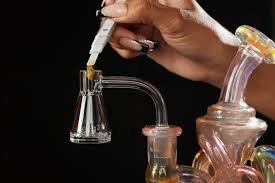
Dabbing is the process of vaporizing a concentrated cannabis extract by placing it onto a heated surface, usually a nail or banger, and inhaling the vapor through a water pipe called a dab rig.
Unlike smoking flower, there is no combustion involved. No plant material burns, no ash, no smoke. Just vapor. This makes dabbing one of the cleanest ways to consume cannabis.
The word “dab” comes from the action itself. Concentrates are sticky or waxy, so you literally dab a small amount onto the nail using a metal or quartz tool. The heat does the rest.
What Are Wax Dabs?
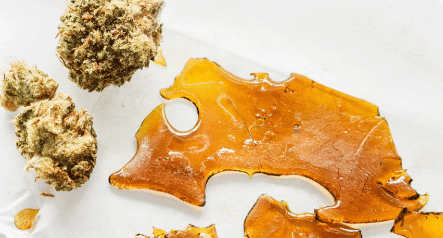
Wax dabs are the concentrated cannabis extracts used in dabbing. The term “wax” is a catch-all for several different concentrate types that range in texture from soft and creamy to dry and crumbly, but in everyday use people say “wax dabs” to refer to concentrates in general.
What separates wax dabs from regular flower comes down to potency. Flower sits at 15 to 25% THC. Wax dabs range from 60 to 99% THC depending on the type and how it was made. That gap is why a single small dab hits harder than several bowls of flower combined.
Dabs vs. Concentrates vs. Extracts What's the Difference?
- Concentrate: Any cannabis product is more potent than raw flower. All extracts and dabs are concentrates, but not all concentrates are dabs (e.g., kief and hash).
- Extract: A concentrate made using a chemical or mechanical extraction process to isolate cannabinoids and terpenes from the plant’s trichomes.
- Dab: Any concentrate that is consumed by vaporizing it on a hot surface. Dabbing is the method; the concentrate is the material.
Not all concentrates are suitable for dabbing. Kief and basic hash contain significant plant material and are better suited for smoking or dry herb vaporizers. Tinctures are alcohol-based and are taken orally. Dabs, by contrast, are refined to contain only cannabinoids and terpenes with no plant material.
All Different Types of Wax Dabs
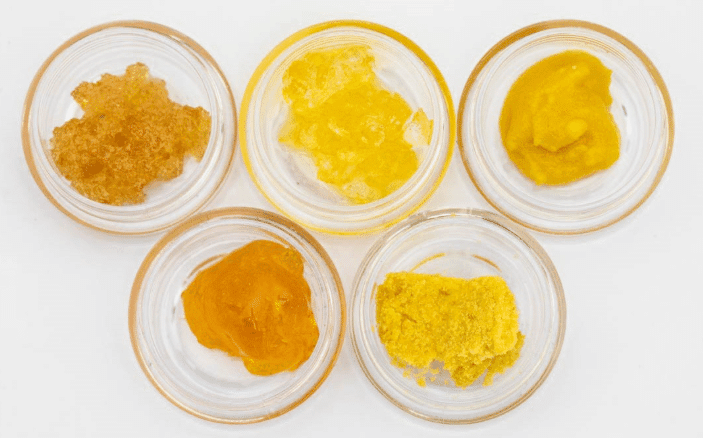
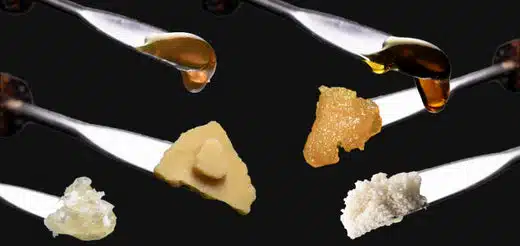
Here is a breakdown of every major type of dab organized by texture and extraction method with what makes each one unique.
1. Shatter : The Classic, Glass-Like Concentrate
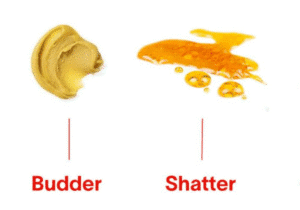
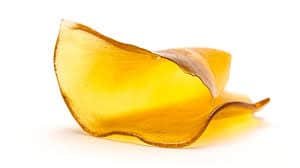
- Texture & Appearance: Hard, brittle, translucent. Amber to golden in color. Breaks like glass when dropped.
- Potency: 60–80% THC. High potency with relatively lower terpene content than softer waxes.
- How It’s Made: Butane Hash Oil (BHO) extraction, purged without agitation. The undisturbed purging process keeps the molecules aligned, resulting in the flat, glass-like structure.
- Best For: Beginners who want an easy-to-handle, stable concentrate. Easy to break into precise doses with a heated dab tool. Stores well at room temperature.
2. Wax : The Versatile Everyday Dab
- Texture & Appearance: Soft, pliable, opaque. Ranges from sticky ear-wax consistency to thicker candle-wax. Usually yellow to golden amber.
- Potency: 60–80% THC. Good balance of potency and terpene preservation.
- How It’s Made: BHO or hydrocarbon extraction. Post-extraction agitation during the purging process gives wax its soft consistency.
- Best For: Versatile use dab rig, dab pen, or added to a joint or bowl. The most popular concentrate type due to its ease of use.
3. Budder / Badder / Batter: Creamy and Flavorful
- Texture & Appearance: Creamy, smooth, and soft like cake batter or frosting. Bright yellow to golden orange.
- Potency: Up to 90% THC. Among the most potent and flavorful concentrates available. Often considered one of the cleanest at 99%+ purity.
- How It’s Made: BHO extraction, then physically whipped during the purging process. The whipping aerates the extract, creating a smooth, creamy consistency.
- Best For: Flavor seekers and experienced dabbers. High terpene content makes budder one of the most aromatic concentrates. Easy to work with at room temperature.
- Note: Budder, badder, and batter all refer to the same category of concentrates. ‘Badder’ and ‘batter’ are just regional or brand variations of the same product.
4. Sugar Wax: Crystalline and Easy to Load
- Texture & Appearance: Loose, granular, and slightly sticky like wet sugar that hasn’t dissolved.
- Potency: 65–75% THC. Strong potency with excellent terpene preservation.
- How It’s Made: Created accidentally when other extracts were left out during production and condensation caused crystallization. Now intentionally produced by allowing the extraction to nucleate.
- Best For: Users who want easy-to-load concentrate. Loads well into dab pens and bangers without sticking to tools excessively.
5. Crumble: Dry, Affordable, and Beginner-Friendly
- Texture & Appearance: Dry, crumbly, honeycomb-like. Usually yellow. Falls apart easily when handled.
- Potency: 60–80% THC. Good potency at a lower price point than most other types.
- How It’s Made: Similar to shatter production (BHO), but kept in the vacuum oven longer at lower temperatures. The extended purge dries out the extract, creating the crumbly texture.
- Best For: Budget-conscious dabbers and beginners. The dry consistency also makes crumble resistant to mold. Can be added to joints, bowls, or blunts easily.
6. Honeycomb Wax: Porous and Easy to Handle
- Texture & Appearance: Very similar to crumble but with a more porous, cavity-filled structure (like an actual honeycomb). Dry and crumbly.
- Potency: 60–75% THC. Similar to crumble.
- How It’s Made: BHO extraction, purged similarly to crumble. The distinct porous structure comes from gas bubbles forming during the low-temperature purge.
- Best For: The same users who enjoy crumble. Easy to break off pieces with a dab tool for precise dosing.
7. Pull ‘n’ Snap / Taffy: Between Shatter and Wax
- Texture & Appearance: Flat, glossy, and pliable stretches like taffy without breaking. Looks like shatter but behaves differently.
- Potency: 70–80% THC.
- How It’s Made: BHO hydrocarbon extraction, left undisturbed during purging like shatter, but at slightly higher humidity conditions, which gives it the taffy-like pull.
- Best For: Users who find shatter too brittle. Easy to pull off a small piece without making a mess at room temperature. Store in a cool place it gets stringy in heat.
8. Live Resin: The Flavor King of Wax Dabs
- Texture & Appearance: Thick and saucy, similar to wasabi paste. Can also be more granular or buttery depending on how it’s processed. Golden amber color.
- Potency: 65–90% THC. High potency with an exceptionally rich terpene profile.
- How It’s Made: BHO extraction, but critically, the cannabis plants are flash-frozen immediately after harvest and kept frozen throughout extraction. This preserves the full terpene profile that would normally be lost during drying and curing.
- Best For: Terpene and flavor enthusiasts. Live resin is considered a premium, high-end concentrate expects to pay more, but the flavor difference is noticeable.
9. Live Rosin: Solventless and Premium
- Texture & Appearance: Sticky, buttery, or jam-like. Ranges from light yellow to golden. Can also appear creamy.
- Potency: 70–80% THC, up to 10% terpene content.
- How It’s Made: Solventless with no butane or chemicals involved. Flash-frozen cannabis is processed using ice water (bubble hash method) to collect trichomes, which are then pressed with heat and pressure to produce rosin. It’s the ‘cleanest’ premium concentrate.
- Best For: Health-conscious users who want zero solvents. Preferred by connoisseurs for its pure, full-spectrum flavor. The most expensive category of concentrate.
- Live Resin vs. Live Rosin: Both use flash-frozen plants, but Live Resin is solvent-based (BHO) and Live Rosin is solventless. Live Rosin is generally considered more ‘natural’ and commands a higher price.
10. Terp Sauce: Maximum Flavor in Every Dab
- Texture & Appearance: Thick, viscous, sauce-like consistency. Often contains small crystalline granules of THCA suspended in a terpene-rich liquid. Amber to soft yellow.
- Potency: 60–80% THC. Extremely high terpene concentration is the most flavorful dab type.
- How It’s Made: Extracted using hydrocarbon solvents, then allowed to ‘diamond mine’ a process where cannabinoid crystals separate from the terpene-rich liquid over time.
- Best For: Pure flavor chasers. Often used in combination with diamonds to add flavor back to the ultra-pure crystalline concentrate.
11. THCA Liquid Diamonds: The Purest & Most Potent
- Texture & Appearance: Crystal-clear, shiny diamond-like structures submerged in terp sauce liquid. Visually striking.
- Potency: 90–99%+ THCA. The most potent concentrate widely available.
- How It’s Made: Solvent-based extraction using live flower (flash-frozen). The extract is then left to undergo a slow crystallization process (diamond mining), during which THCA crystals form and the terpene-rich sauce separates. The result is two components: the diamonds and the sauce often sold together.
- Best For: Experienced dabbers seeking maximum potency. Often used in combination with terp sauce for a balance of purity and flavor. Due to the extreme potency, beginners should start with an extremely small amount.
12. Crystalline: Pure Cannabinoid Isolation
- Texture & Appearance: White, solid crystal structure looks like rock salt or sugar. Can be sold as a single chunk or in powdered form.
- Potency: Up to 99.9% pure cannabinoid (THC, CBD, or CBG).
- How It’s Made: A multi-stage extraction and purification process that isolates a single cannabinoid. Unlike full-spectrum extracts, crystalline has virtually no terpenes or other cannabinoids.
- Best For: Medical users seeking precise, high-dose cannabinoid delivery. Often mixed with terp sauce when dabbing to add flavor. CBD crystalline is a popular option for non-psychoactive high-potency dosing.
13. Rick Simpson Oil (RSO): Medicinal Powerhouse
- Texture & Appearance: Dark, thick, opaque oil. Almost black in color. Syrupy consistency.
- Potency: High THC (sourced from plants with 20%+ THC). Full-plant extract including both buds and leaves.
- How It’s Made: Ethanol extraction using whole female cannabis plants, buds, leaves, and all. The full-plant approach results in a high-THC extract with a rich profile of cannabinoids.
- Best For: Medicinal users, particularly for micro-dosing. Can be dabbed, taken orally, applied sublingually, or taken as a capsule. RSO is rarely found on the black market due to its complex production process.
Get a free equipment consultation from the Root Sciences team.
Other Notable Concentrates: Hash, Rosin & Kief
Not all concentrates are ideal for dabbing, but they’re worth knowing:
- Dry-Sift Hash: Physically sifted trichomes pressed into a pellet. Contains more plant material better for smoking or vaporizing than a traditional dab rig.
- Bubble Hash: Made with ice water extraction. High-grade ‘full melt’ bubble hash can be dabbed; lower grades are better smoked.
- Rosin (Cured): Pressed from dried cannabis using heat and pressure. Solventless, with a golden to brown resin-like consistency. Excellent for dabbing.
- Kief: The loose powder collected from cannabis trichomes. Too much plant matter for dabbing is best added to bowls or joints.
Nug Run vs. Trim Run Concentrates
| Feature | Nug Run Concentrates | Trim Run Concentrates |
| Starting Material | Full cannabis flowers (buds) | Sugar leaves, trim, and leftover plant material |
| Trichome Content | Highest concentration of trichomes | Lower concentration of trichomes |
| Flavor & Terpenes | Rich flavor with high terpene content | Milder flavor with fewer terpenes |
| Quality | Premium, higher-quality extract | Moderate, lower-quality extract |
| Potency | Typically higher potency | Slightly lower but still potent |
| Appearance | Cleaner, more refined look | May appear darker or less refined |
| Price | More expensive | More affordable |
| Best For | Flavor-focused users and premium experience | Budget-conscious users |
How Are Dabs Made? Extraction Methods Explained
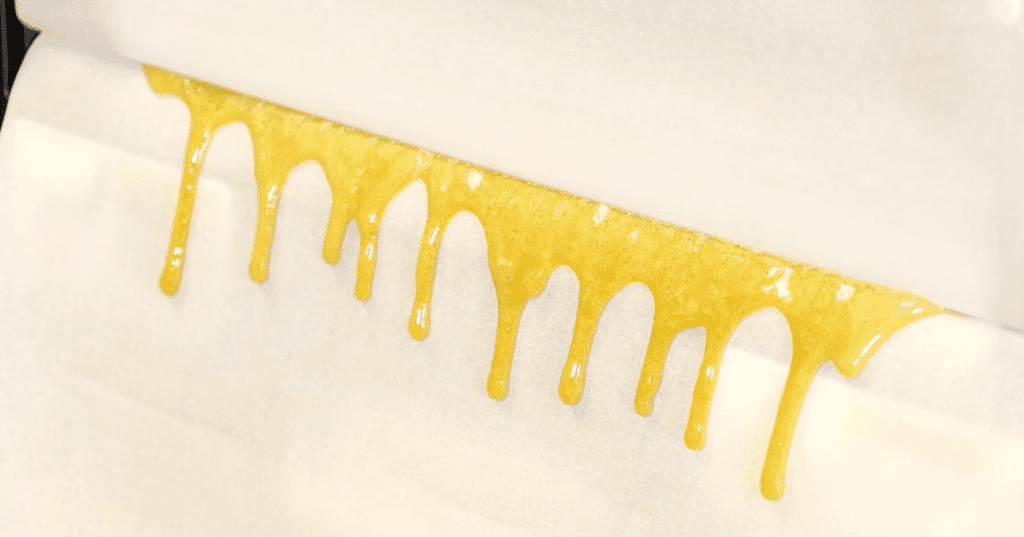
The type of dab you end up with depends largely on how it was made. Here are the five main extraction methods used to produce wax dabs and concentrates.
1. BHO (Butane Hash Oil) Extraction
The most common method. Butane is pushed through cannabis plant material, stripping the trichomes and producing a concentrated slurry. The butane is then purged out using heat and vacuum pressure. How the extract is handled after purging determines the final texture, whether that becomes shatter, wax, budder, crumble, or live resin. Legal market BHO products are lab tested to ensure no residual solvent remains.
2. CO2 Extraction
Uses pressurized carbon dioxide to pull cannabinoids and terpenes from the plant. Because CO2 is a cleaner solvent than butane, it preserves delicate flavor compounds well and leaves no chemical residue. It is commonly used to produce oils for vape cartridges and high-grade concentrates.
3. Ethanol Extraction
Cannabis is soaked in food-grade ethanol, which strips the plant of its cannabinoids and terpenes. The ethanol is then evaporated off, leaving behind a concentrated extract. This method is used to produce Rick Simpson Oil and some distillates. It is efficient for large-scale production but can pull more chlorophyll from the plant if not done carefully, affecting flavor.
4. Ice Water Extraction
No chemicals involved. Cannabis is submerged in ice water, which freezes and breaks off the trichomes. The water is then filtered through a series of mesh bags to collect the trichome material, which is dried and pressed into bubble hash or used to make live rosin. The quality of the final product depends on how finely it is filtered.
5. Rosin Pressing
The simplest solventless method. Cannabis flower, kief, or bubble hash is placed between two heated plates and pressed under high pressure. The heat and pressure squeeze out the resin, which cools into rosin. No solvents, no chemicals, no lab equipment required. This can even be done at home with a hair straightener, though commercial presses produce far better results.
Solventless vs. Solvent-Based Dabs Which Is Better?
One of the biggest distinctions in the concentrate world is how the product was made. Every type of dab falls into one of two categories:
| Solvent-Based | Solventless |
Process | Uses chemical solvents (butane, propane, CO2, ethanol) | Uses heat, pressure, ice water, or mechanical methods only |
Examples | Shatter, wax, budder, live resin, crumble, RSO | Rosin, live rosin, bubble hash, dry-sift hash, kief |
Potency | Often higher 60–99% THC | Slightly lower 50–85% THC typically |
Flavor | Good to excellent (live resin is exceptional) | Excellent considered fullest terpene expression |
Price | Lower to mid-range | Mid to premium |
Safety | Safe when properly lab-tested (residual solvents removed) | No solvent risk |
Best For | Value, potency, wide variety of textures | Purity-conscious users, connoisseurs, premium experience |
The key takeaway: solvent-based concentrates are NOT unsafe when properly produced and lab-tested. Legal market concentrates are rigorously tested for residual solvents. The primary difference for most consumers is price and flavor philosophy. Solventless is simply perceived as ‘cleaner’ by purists.
Dab Temperature Guide - Low, Medium & High Heat
Temperature is one of the most overlooked variables in dabbing. The same concentrate can deliver a completely different experience depending on how hot your nail is:
Temperature Range | Experience | Best Concentrate Types |
315–450°F (Low) | Full terpene expression, smooth flavor, lighter effects. May leave some residue. | Terp sauce, live resin, budder, live rosin |
450–600°F (Mid) | Balanced flavor + potency. Most popular range for everyday dabbing. | Wax, shatter, crumble, sugar wax |
600°F+ (High) | Maximum vaporization, stronger effects, less flavor. Can irritate lungs if too high. | Crystalline, diamonds (terps already low) |
Pro tip: For e-rigs like the Dr. Dabber Switch², you can dial in exact temperatures digitally removing guesswork entirely and allowing you to optimize for your specific concentrate type every time.
How to Store Wax Dabs (So They Stay Fresh Longer)
Proper storage preserves the potency, flavor, and texture of your concentrates. Here’s what works:
- Glass jars are best for long-term storage. Glass is airtight, non-reactive, and won’t leach chemicals into your concentrate.
- Silicone containers are ideal for travel and on-the-go use. Wax won’t stick to silicone, making it easy to load your dab tool. However, terpenes can slowly degrade silicone over long-term storage.
- Avoid direct sunlight and heat. UV light and heat degrade THC and terpenes quickly.
- Keep containers as small as possible. Minimizing air contact slows degradation.
- Refrigerate for long-term storage. For concentrates you won’t use within 1–2 weeks, the fridge significantly extends shelf life.
Never store in plastic. Wax will adhere to plastic, wasting product, and some plastics can react with concentrates.
What Supplies Do You Need to Start Dabbing?
To dab any type of wax concentrate, you’ll need the right equipment. Here are the essentials:
- Dab Rig or E-Rig: A glass water pipe with a nail/banger instead of a bowl. Electronic rigs (e-rigs) heat to precise temperatures automatically far more conveniently than torch-based rigs and much safer for beginners.
- Dab Tool: A titanium, quartz, or ceramic tool used to load concentrate onto the nail. Never use your fingers until the nail reaches 600°F+.
- Quartz Banger/Nail: The bowl component of the dab rig. Quartz heats evenly, retains heat well, and doesn’t affect the flavor of your concentrate the way titanium can.
- Torch (for non-electric rigs): A butane torch lighter designed for the intense heat needed. Kitchen torch lighters usually aren’t hot enough. Buy from a reputable head shop.
- Carb Cap: A cap that covers the banger after loading concentrate. It traps vapor inside for a more complete, potent hit, a must-have for low-temp dabbing.
- Storage Container: Glass for home storage; silicone for portability.
- Dab Pen (Optional): Portable, discreet alternative to a full rig. Designed for use with wax concentrates on the go.
Dabbing: Benefits & Drawbacks
Benefits
- Maximum potency: No other consumption method delivers cannabinoids as efficiently or as quickly as dabbing.
- Faster onset: Effects are felt within seconds, allowing for more precise dosage control.
- Cleaner inhalation: No plant material is burned. You inhale only vaporized cannabinoids and terpenes with fewer combustion by products than smoking flower.
- Better flavor: High-quality concentrates preserve terpene profiles that deliver a richer taste experience than smoking.
- Versatility: Concentrates can be used in rigs, pens, added to flower, or (in some cases) consumed orally.
Drawbacks
- Extreme potency (beginner risk): 60–99% THC is significantly more than flower. First-time dabbers frequently overconsume. Always start with the smallest possible amount.
- Equipment cost: A quality e-rig, torch, tools, and accessories represent a real upfront investment.
- Tolerance buildup: Regular dabbing can rapidly build THC tolerance, requiring more concentrate over time for the same effect.
- Contamination risk (black market): Always buy lab-tested, legal market concentrates. Unregulated extracts can contain residual solvents and other contaminants.
- Burn risk (torch rigs): Traditional torch-heated nails can exceed 600°F. Electric rigs dramatically reduce this risk.
Conclusion
Wax dabs offer unmatched potency, flavor, and variety. Whether you’re looking for budget-friendly crumble, flavorful live resin, or ultra-potent diamonds, there’s a concentrate for every experience level.
If you’re new, start small and choose beginner-friendly options like shatter or crumble. As your tolerance and experience grow, you can explore premium options like live rosin and terp sauce.
Frequently Asked Questions About Types of Dabs
The most popular types of wax dabs are shatter, wax, budder/badder, live resin, and crumble. Shatter and wax are classic favorites for their stability and value; live resin is the premium choice for flavor; and budder is widely regarded as the cleanest, most potent option.
Wax is soft and pliable, while shatter is hard and brittle like glass. Wax is typically easier to handle and has a slightly richer flavor profile (more terpenes), while shatter is more stable at room temperature and slightly higher in THC. Both are made from BHO extraction; the difference is in how the extract is handled during purging.
Crystalline and THCA Liquid Diamonds are the most potent concentrates available, reaching up to 99% THC or THCA purity. Budder can also hit 90% THC. For most users, any concentrate above 80% is extremely potent and starts small regardless of the type.
Both are made from flash-frozen cannabis to preserve terpenes, but the extraction method differs. Live resin uses chemical solvents (BHO). Live rosin is solventless made with ice water and heat/pressure. Live rosin is generally more expensive and is considered the ‘purest’ premium concentrate.
Shatter and crumble are both beginner-friendly because they’re easier to handle, shatter is solid and easy to break into precise pieces, and crumble is dry and easy to scoop. Start with a very small amount (about the size of a grain of rice) and wait several minutes before taking another dab.
When sourced from the legal, regulated market and used with proper equipment, wax dabs are generally considered safer than smoking flower (less combustion byproduct). The primary risks are overconsumption (due to extreme potency) and contamination from unregulated black-market extracts. Always buy lab-tested products from licensed dispensaries.
Thinking about building your own extraction operation?
Root Sciences provides end-to-end equipment and consulting for cannabis and hemp processors worldwide.