
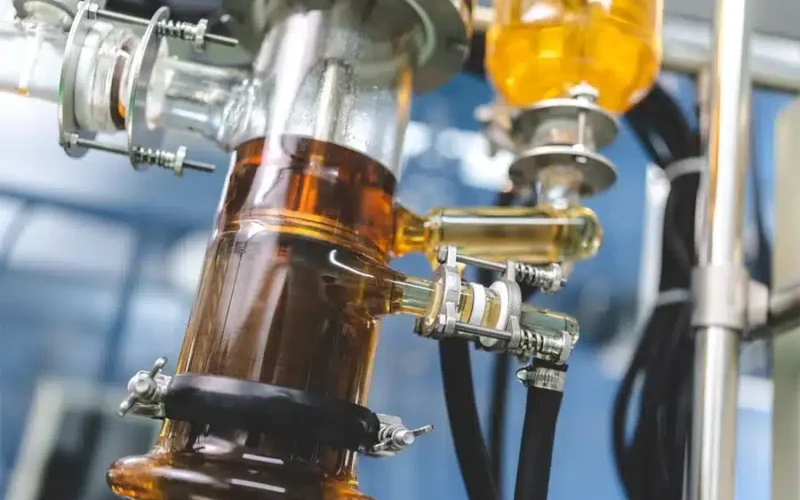
Hydrocarbon extraction typically costs more per gram and processes smaller daily volumes, but delivers higher yields of premium, terpene-rich concentrate; ethanol extraction costs less per gram and scales to much higher daily throughput, but generally trades some cannabinoid-specific yield efficiency and adds a winterization step.
Which one pays back faster depends less on which method is “better” and more on what product line, batch size, and facility classification a given operation is actually built around. This article breaks down the cost, yield, throughput, and ROI differences a commercial processor needs to weigh before choosing.
Sections
ToggleKey Takeaways
- Hydrocarbon extraction costs more per gram and processes less biomass daily, but tends to produce higher-value, terpene-rich concentrates that can offset that cost.
- Ethanol extraction costs less per gram and scales to far higher daily throughput, making it the stronger fit for distillate, edibles, and high-volume product lines.
- Facility classification (C1D1 for hydrocarbon vs. C1D2 for ethanol) is often the largest cost difference between the two methods, not the extraction equipment itself.
- ROI depends on matching the method to the product line being sold, not on which method has the lower raw processing cost.
- Comparing the two methods on extraction cost alone, without factoring in post-processing steps like winterization or facility build-out, tends to produce a misleading picture of total cost per finished gram.
Hydrocarbon vs. Ethanol Extraction
Factor | Hydrocarbon (Butane/Propane) | Ethanol |
Typical yield | 18-24% from high-THC flower | Lower cannabinoid-specific yield per pass, but extracts a broader range of plant compounds, often requiring winterization |
Processing cost per gram | Generally higher, commonly cited around $0.15-0.30/gram | Generally lower, commonly cited around $0.08-0.15/gram |
Throughput | Batch-limited by column size; lower daily volume | Higher; commercial systems commonly run 100-500 lbs/day |
Facility classification | C1D1 (most stringent, explosion-proof) | C1D2 (less stringent, generally easier to insure and permit) |
Best fit | Premium concentrates: live resin, shatter, badder | High-volume distillate, edibles, tinctures |
Hydrocarbon vs. Ethanol Extraction: Cost, Yield, and Throughput Compared
The four numbers that actually decide this comparison for most operators are processing cost per gram, yield, throughput, and the capital and facility cost required to run either method at commercial scale. Each pulls in a different direction, which is why the right choice tends to be product-line specific rather than universal.
Processing Cost Per Gram
Hydrocarbon extraction generally runs a higher per-gram processing cost than ethanol, largely because closed-loop hydrocarbon systems require more labor-intensive batch handling and the hydrocarbon extraction equipment itself, along with the C1D1 facility it runs in, carries a higher operating overhead per run.
Ethanol’s lower per-gram cost comes from faster processing cycles and simpler solvent recovery, though winterization and additional post-processing steps narrow that gap once total cost-to-finished-product is counted rather than just the extraction step in isolation.
Yield and Product Quality
Hydrocarbon extraction tends to produce higher yields of the terpene-rich, high-value concentrates (live resin, shatter, badder) that command premium pricing, since butane and propane are non-polar solvents that leave more chlorophyll and plant waxes behind.
Ethanol is polar and pulls a broader range of compounds, including more chlorophyll and lipids, which means a comparable cannabinoid yield often requires the extra winterization step to reach the same finished purity.
Throughput at Commercial Scale
This is where ethanol usually wins outright. Commercial ethanol systems commonly process in the range of 100 to 500 lbs of biomass per day, since the extraction step itself takes minutes rather than the longer soak-and-purge cycle typical of hydrocarbon columns.
Hydrocarbon throughput is generally capped by column size and batch cycle time, which makes it a stronger fit for operations prioritizing product quality and SKU variety over raw daily volume.
Facility and Capital Equipment Cost
Hydrocarbon extraction requires a Class 1 Division 1 (C1D1) rated room, the most stringent hazardous-location classification, with explosion-proof electrical systems and continuous gas monitoring. Ethanol typically only requires C1D2, a materially less expensive classification to build out and insure.
This facility difference often matters more to total startup cost than the extraction equipment itself; a processor evaluating ethanol extraction equipment against a hydrocarbon system should weigh the facility classification cost alongside the machine price, not separately from it.
Return on Investment: Which Pays Back Faster?
This decision is carrying more weight than it used to. The global cannabis extraction equipment market is projected to grow from roughly $12.9 billion in 2026 to nearly $47 billion by 2035, which means the capital sunk into a hydrocarbon or ethanol build-out today is a longer-term bet than it might have been a few years ago. ROI comes down to what a facility is actually producing and selling, not just which method processes biomass more cheaply.
A Cannabis Business Times breakdown of extraction economics notes that apparatus costs for hydrocarbon and ethanol systems can range from roughly $100,000 to well over a million dollars depending on scale and automation, and that labor and technician skill requirements factor into the real cost per batch as much as the equipment itself.
An operation selling premium concentrates at a per-gram price that reflects hydrocarbon’s terpene retention can offset a higher processing cost and slower throughput; an operation producing bulk distillate for edibles or vape cartridges generally can’t justify hydrocarbon’s facility overhead against ethanol’s throughput advantage.
MJBizDaily reporting on production costs has similarly found operators citing lower starting equipment costs for hydrocarbon systems specifically, even though the facility build-out requirement can offset that up-front savings once C1D1 compliance is factored in.
When Hydrocarbon Extraction Makes More Sense?
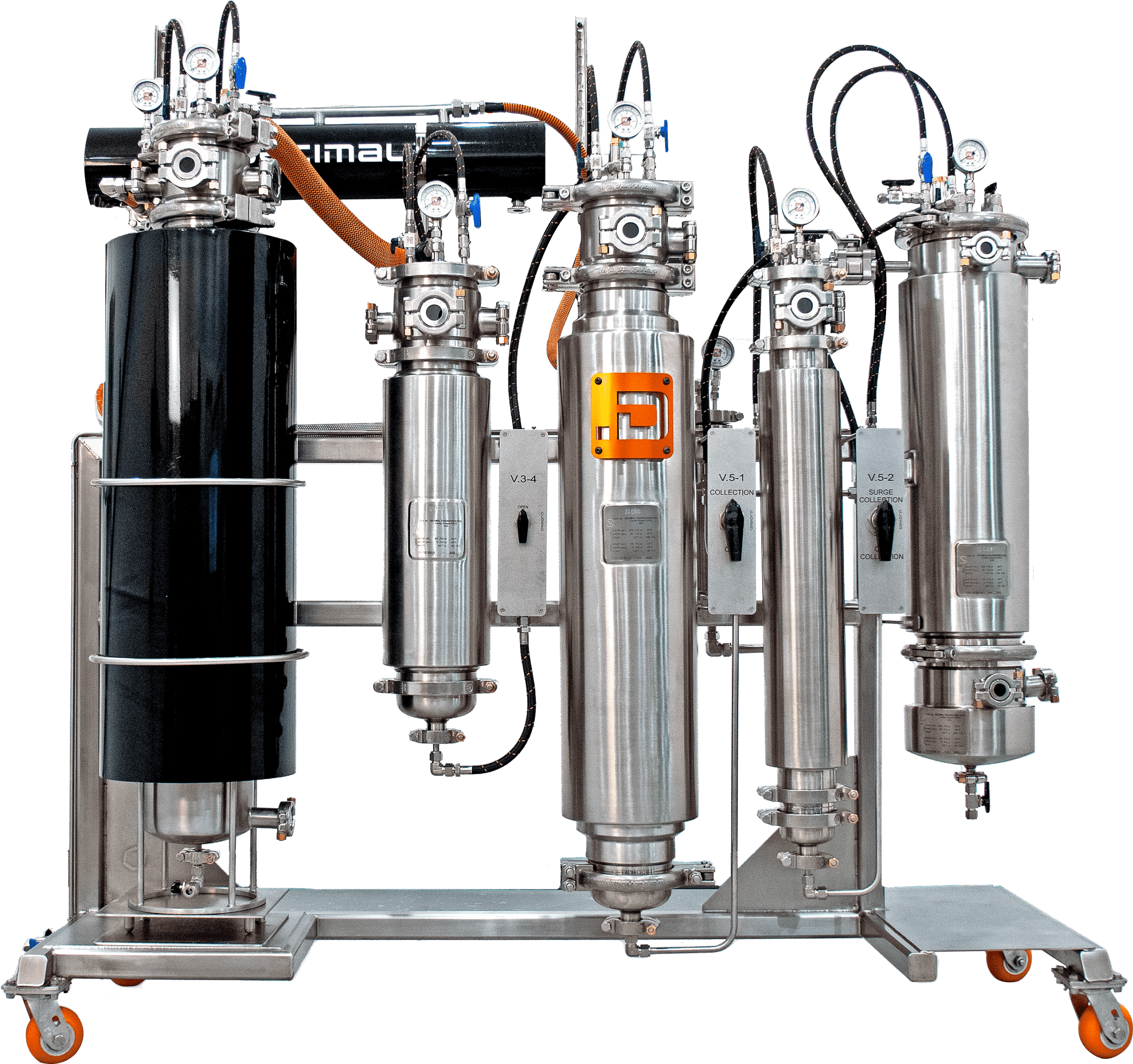
Hydrocarbon extraction tends to be the stronger financial choice when the product line and facility situation line up in a few specific ways. These are the conditions where its higher per-gram cost and lower throughput are most likely to pay for themselves:
- Product line is concentrate-focused: live resin, shatter, badder, and other products where terpene retention drives the sale price
- Batch sizes are moderate, not maximum-volume: operations prioritizing SKU variety and quality over daily throughput ceiling
- The facility can support C1D1 from the start: new builds or leases with flexibility to meet the stricter electrical and ventilation requirements
When Ethanol Extraction Makes More Sense?
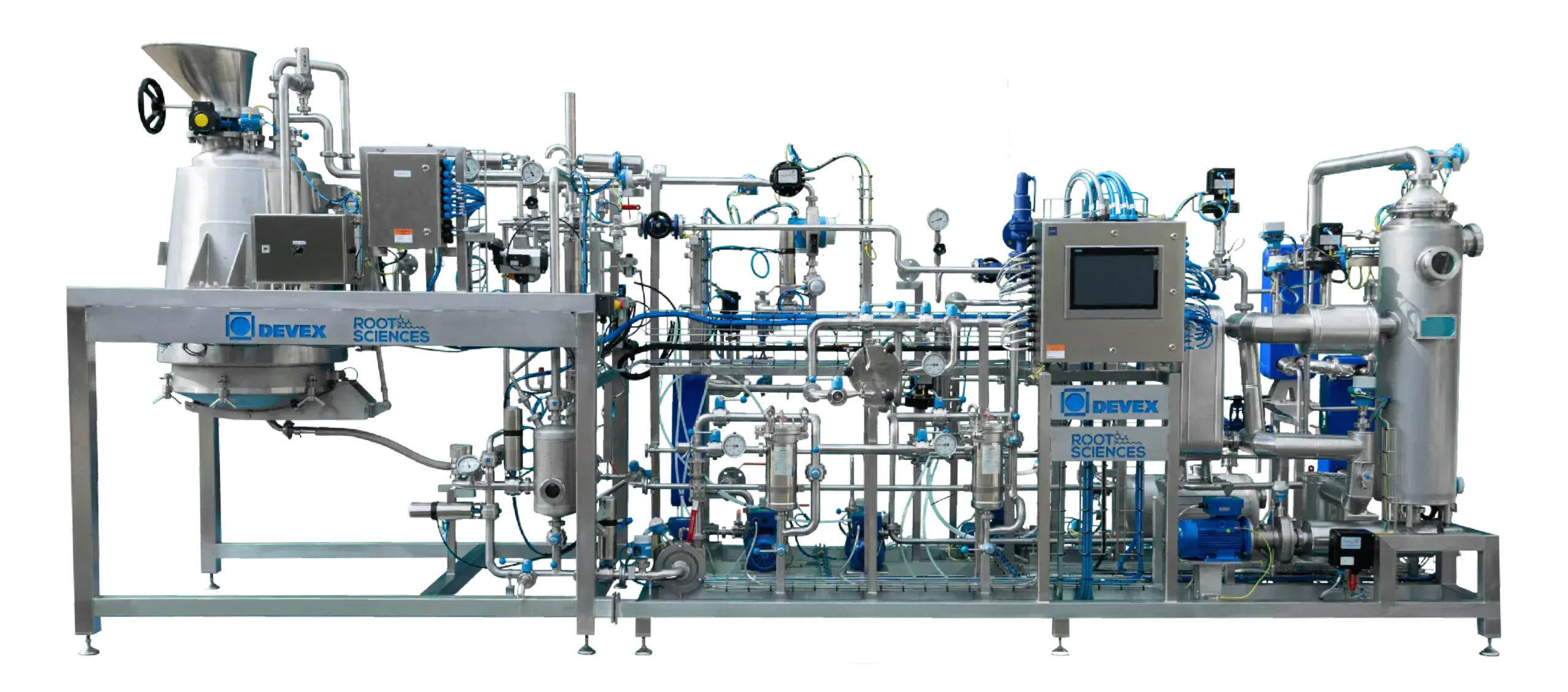
Ethanol tends to be the stronger choice when volume and product type favor its throughput advantage over hydrocarbon’s terpene retention. The same three factors, just pointed the other way, tend to make the case:
- The product line is distillate, edibles, or tinctures: applications where full-spectrum extraction and downstream refinement matter more than raw terpene preservation
- Daily volume is the priority: operations that need to move large biomass volumes on a predictable schedule
- Facility or lease constraints rule out C1D1: buildings or budgets that can support C1D2 but not the more stringent hydrocarbon classification
Common Mistakes When Comparing the Two on Paper
Most side-by-side comparisons operators run internally miss a cost somewhere, usually because it’s easier to compare the numbers that are readily available than the ones that actually determine profitability. These are the most common gaps:
- Comparing extraction cost in isolation: ethanol’s lower per-gram extraction cost can be partly or fully offset once winterization and additional post-processing are added to the total
- Ignoring facility classification cost: evaluating machine price alone without pricing out the C1D1 vs. C1D2 build-out difference
- Assuming yield percentage alone determines profitability: a lower-yield method producing a higher-value product line can outperform a higher-yield method producing commodity distillate
- Sizing throughput to nameplate capacity: actual daily throughput is usually lower than equipment specs once loading, cleaning, and maintenance time are factored in
Conclusion
Neither method wins this comparison outright. Hydrocarbon extraction costs more per gram and processes less biomass per day, but that cost is frequently recovered through the premium pricing terpene-rich concentrates command.
Ethanol extraction costs less per gram and scales to far higher daily throughput, which suits distillate and high-volume product lines better than it suits craft concentrate production. The ROI question isn’t which method is cheaper to run, it’s which method’s output matches what the facility is actually positioned to sell.
FAQs
1. Can a single facility run both hydrocarbon and ethanol extraction to cover both product lines?
Yes, and a number of larger commercial operations do exactly this, running hydrocarbon for premium concentrate SKUs and ethanol for bulk distillate. The tradeoff is that it requires building and maintaining two separate facility classifications (C1D1 and C1D2), which raises total capital cost even though it broadens the product line.
2. Does ethanol extraction ever make sense for premium concentrate production?
It can, particularly with cryogenic (cold) ethanol extraction run at -40°F or lower, which reduces chlorophyll and wax co-extraction and narrows the terpene retention gap with hydrocarbon. It generally still doesn’t match hydrocarbon’s terpene profile for live resin-style products, but for premium vape oil or high-quality distillate, cold ethanol can close much of that quality gap.
3. How much does the C1D1 vs. C1D2 facility requirement actually add to startup cost?
It varies significantly by building and location, but C1D1 build-outs generally cost substantially more than C1D2 due to explosion-proof electrical systems, continuous gas detection, and stricter ventilation requirements. This is frequently the single largest cost difference between the two methods once startup is fully accounted for, often larger than the difference in extraction equipment price itself.
4. Does switching from hydrocarbon to ethanol (or vice versa) require replacing the entire extraction room?
In most cases, yes, since the hazardous location classification, ventilation design, and electrical systems are built around the specific solvent. A facility built out for C1D1 hydrocarbon use can technically run ethanol without modification, since C1D1 exceeds C1D2 requirements, but the reverse isn’t true: a C1D2 ethanol room generally cannot legally run hydrocarbon extraction without a facility upgrade.
5. How does biomass quality affect the cost and yield comparison between the two methods?
Lower-quality trim or lower-THC biomass narrows the yield gap between methods somewhat, since neither method can extract cannabinoids that aren’t present in meaningful quantities to begin with. High-quality, high-THC, fresh-frozen material tends to widen the gap in hydrocarbon’s favor for concentrate quality specifically, since it has more of the terpene content that hydrocarbon extraction is better at preserving.