Different types of BHO refer to the various textures butane hash oil can take after extraction and post-processing. These textures are not random. They are created through controlled changes in temperature, agitation, terpene content, and purging conditions during bho extraction. From brittle shatter to creamy wax and terpene-rich sugar, each form behaves differently and appeals to different users. This guide explains the most common BHO textures, how they are made, and what influences their final consistency.
Sections
ToggleBHO Meaning: What Is Butane Hash Oil?
Butane Hash Oil, or BHO, is a cannabis concentrate made by using butane to extract cannabinoids and terpenes from plant material. The result is a highly potent oil that is later purged of solvent and refined into different textures. Modern Bho extraction methods rely on precision equipment and closed-loop systems to control safety, purity, and consistency.
Common BHO Textures
BHO textures are shaped after extraction during the purging and curing stages. Small adjustments in heat, pressure, and agitation determine whether cannabinoids crystallize evenly, partially, or not at all. Below are the most common BHO textures and what sets them apart.
1. Wax
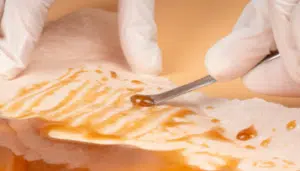
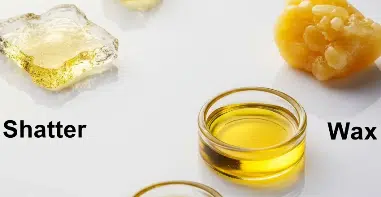
BHO wax has a soft, opaque appearance with a whipped or fluffy texture. It is created when the extract is agitated during the purging phase, which introduces air and triggers cannabinoid nucleation. This uneven crystallization gives wax its matte finish. Wax is popular because it is stable, easy to handle, and forgiving, making it a common entry point for people new to concentrates.
2. Sugar
BHO sugar has a grainy texture similar to wet sugar crystals. This form develops when cannabinoids begin to crystallize but remain suspended in terpene-rich oil. Higher terpene levels and controlled purging temperatures encourage this structure. Sugar BHO is known for strong aroma and flavor, offering a balance between dry concentrates and sauce-heavy extracts.
3. Shatter
Shatter is one of the most recognizable BHO textures. It is translucent, brittle, and breaks cleanly like glass. Shatter forms when the extract is purged with minimal agitation and kept at stable temperatures, allowing cannabinoids to settle into a uniform structure. While visually appealing, shatter can be sensitive to heat and light, which may cause it to nucleate and lose its clarity over time.
4. Crumble
Crumble BHO is dry, porous, and easy to break apart. It is typically produced by purging at lower temperatures for longer durations, allowing solvents to escape slowly. This creates a honeycomb-like structure with very little moisture. Crumble is easy to sprinkle, making it popular for bowls and joints and appealing to users who want minimal stickiness.
5. BHO Honey Oil (Sap)
Honey oil, also known as sap, has a thick, sticky, and viscous consistency. This texture is usually high in terpenes, which prevents full crystallization of cannabinoids. Sap-like BHO often results from warmer purging conditions or terpene-rich starting material. It flows slowly and is favored by those who prioritize flavor and aroma over firmness.
Key Factors Influencing Texture
Agitation: Whipping or stirring the extract during the purging process encourages a more opaque, creamy, or waxy consistency.
Temperature: Lower temperatures during purging typically result in drier, crumblier products, while higher temperatures can lead to more stable, glass-like products.
Moisture/Terpenes: Higher terpene content often leads to wetter, sauce-like, or more viscous textures.
Why Use Butane for Cannabis Extraction?
Butane is widely used because it efficiently extracts cannabinoids and terpenes while operating at low temperatures. This helps preserve flavor and aroma. When paired with professional bho extraction tools, butane allows producers to fine-tune textures with precision. Compared to other solvents, it offers greater flexibility in producing different types of BHO.
How Butane Hash Oil Is Made
Commercial BHO production follows strict procedures using licensed facilities and specialized equipment. These processes are designed to ensure purity and reduce risk.
Step-by-Step: How BHO Is Made
- Cannabis material is packed into an extraction column
- Butane passes through the material, dissolving cannabinoids and terpenes
- The solution is collected and transferred to a recovery chamber
- Butane is evaporated and reclaimed
- The extract is vacuum purged under controlled heat
- Post-processing techniques shape the final texture
Advanced operators may use advanced bho extraction techniques such as controlled agitation, cold curing, or pressure manipulation to achieve specific consistencies and troubleshoot defects.
Is BHO Safe to Consume?
BHO is safe to consume when produced by licensed manufacturers who follow proper protocols and testing standards. Risks are typically associated with improper purging or amateur production. Understanding troubleshooting bho extraction and solvent handling is essential for anyone involved in production.
Conclusion
The different types of BHO exist because small changes during extraction and post-processing can dramatically affect how cannabinoids and terpenes behave. Whether it is the glass-like snap of shatter, the creamy stability of wax, the aromatic balance of sugar, or the terpene-rich flow of honey oil, each texture reflects deliberate choices in temperature, agitation, and purging conditions. Understanding how these textures are made helps consumers choose products that match their preferences while giving producers better control over quality, consistency, and performance. As BHO extraction methods continue to evolve, texture will remain one of the clearest indicators of how an extract was crafted.
FAQs
BHO textures vary due to differences in temperature, agitation, terpene content, and purging conditions. These factors influence how cannabinoids crystallize and how much moisture remains in the extract.
Wax and crumble are generally the easiest BHO textures to handle. They are more stable, less sticky, and easier to scoop compared to shatter or honey oil.
No, shatter is not inherently stronger than other BHO types. Potency depends on cannabinoid concentration, not texture. Shatter, wax, and sugar can all have similar THC levels.
BHO sugar forms when cannabinoids partially crystallize while staying suspended in terpene-rich oil, creating a grainy texture. Wax forms through agitation, which causes uneven crystallization and a whipped consistency.
Shatter can turn cloudy when exposed to heat, light, or air. These conditions cause nucleation, which changes the internal structure and can shift shatter into a wax-like texture.