

Delta-9 is the most well-known cannabinoid associated with cannabis, and understanding how delta-9 works, its benefits, and its risks is essential for both consumers and manufacturers. This section is designed to clearly explain what delta-9 is used for, how delta-9 THC affects the body, and what to consider before using delta-9 products.
Sections
ToggleWhat Is Delta-9 THC?

Technically known as the delta-9-tetrahydrocannabinol, Delta 9 THC is widely known as simply THC. It is the primary active psychoactive compound found in cannabis plants. It is the compound that causes the signature “high” typically associated with marijuana use. Chemically, Delta 9 is a cannabinoid with the molecular formula C21H30O2.
This form of THC is found in both marijuana and hemp plants, but its concentration in marijuana plants is significantly high. Compared to delta 8 THC, delta 9 has an extra bond to the 8th carbon atom. This makes it more psychoactive than delta 8. CBD also has the same chemical composition and formula as delta 9 and delta 8 THC, but there is no double bond, and the varied arrangement of carbon atoms makes it non-psychoactive.
What are the Potential Benefits of Delta-9?
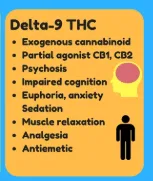
Delta-9 interacts primarily with CB1 receptors in the endocannabinoid system, which is why delta-9 THC produces noticeable psychoactive and therapeutic effects. Research and real-world use suggest several potential benefits of delta-9 when used responsibly:
- Pain management: Delta-9 THC may help reduce chronic pain by altering pain perception and lowering inflammation.
- Appetite stimulation: Delta-9 is widely known for increasing appetite, making delta-9 THC useful for individuals experiencing appetite loss due to medical treatments.
- Nausea and vomiting relief: Delta-9 THC has antiemetic properties and is commonly used by patients undergoing chemotherapy.
- Stress and relaxation support: In controlled doses, delta-9 may promote relaxation and mood elevation.
- Sleep support: Delta-9 THC can help some users fall asleep faster and improve sleep quality when taken in low, controlled doses.
- Neurological research potential: Emerging studies suggest delta-9 may have neuroprotective properties, though more research is still required.
For readers comparing cannabinoids, you may find it helpful to explore how delta-9 differs from other compounds such as delta-8 THC in this detailed comparison: Delta-8 THC vs Delta-9 THC.
What are the Potential Side Effects of Delta-9?
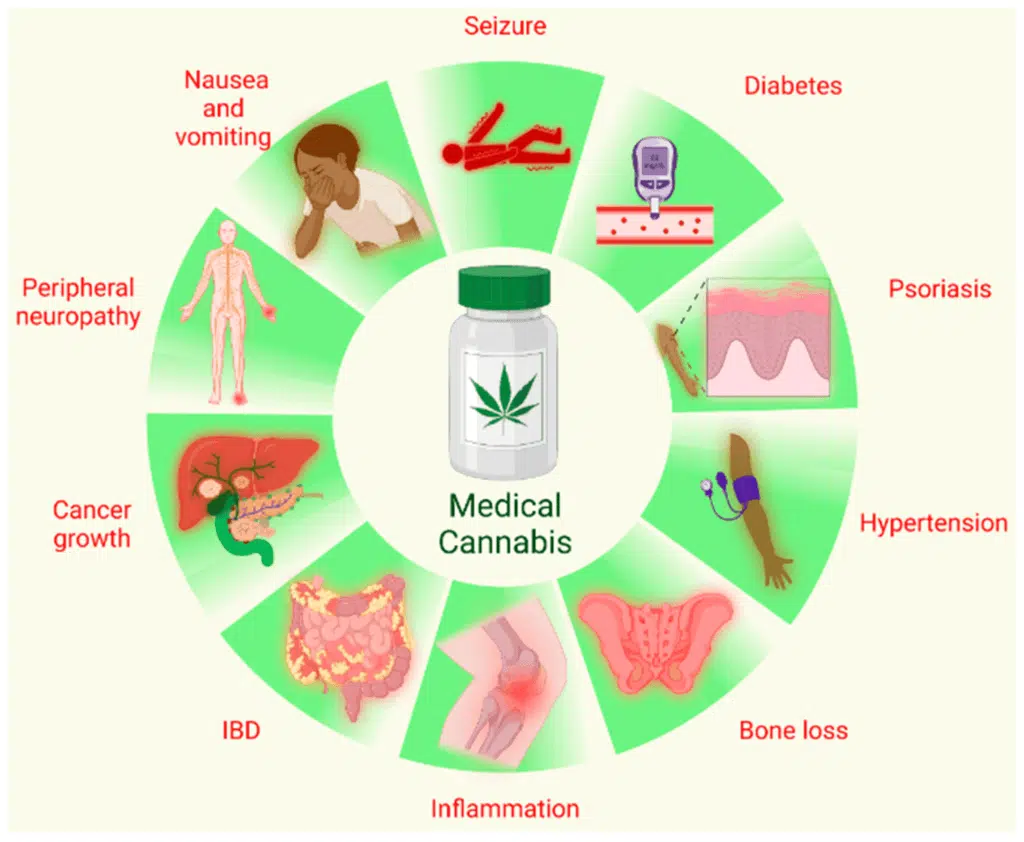
While delta-9 offers potential benefits, delta-9 THC can also cause side effects, especially when taken in high doses or by inexperienced users. Common delta-9 side effects include:
- Dry mouth and dry eyes
- Dizziness or lightheadedness
- Increased heart rate
- Anxiety, nervousness, or paranoia
- Impaired memory and concentration
- Altered perception of time
- Reduced coordination and reaction time
Some users may also experience next-day grogginess after consuming delta-9 THC, particularly with edible products. Understanding dosage and tolerance is essential when using delta-9 products.
For those exploring alternative cannabinoids with milder effects, reviewing compounds like delta-10 can provide additional insight: Delta-10: The Ultimate Guide.
What are the Potential Risks of Delta-9?
Beyond short-term side effects, delta-9 THC carries certain risks that should be considered before use:
- Legal risks: Delta-9 THC remains federally restricted in many regions, and legality varies depending on source and concentration.
- Impaired judgment: Delta-9 can negatively impact coordination and reaction time, increasing risks when driving or operating machinery.
- Mental health concerns: Delta-9 THC may worsen symptoms in individuals predisposed to anxiety disorders, bipolar disorder, or schizophrenia.
- Drug interactions: Delta-9 THC may interact with medications such as blood thinners and sedatives.
- Tolerance and dependence: Regular delta-9 use can lead to tolerance, requiring higher doses to achieve the same effects.
- Pregnancy and breastfeeding risks: Delta-9 THC is not recommended during pregnancy or while breastfeeding due to potential developmental risks.
If you are researching cannabinoids with different psychoactive profiles, comparisons such as THCa vs Delta-9 and HHC vs Delta-10 can offer valuable context.
Conclusion
Delta 9 THC is the most common compound in cannabis products with a wide range of potential effects and applications. While it offers numerous potential benefits, it’s essential to approach its use with caution and awareness of the possible risks and legal implications. Whether you’re considering using delta 9 for medicinal purposes or recreational enjoyment, it’s crucial to make informed decisions based on reliable information and, when necessary, guidance from healthcare professionals.
FAQs About Delta-9
Delta-9 is a form of THC and is commonly referred to as THC. CBD is a separate cannabinoid that does not produce psychoactive effects, unlike delta-9 THC.
Delta-9 THC is more psychoactive than delta-8 due to differences in chemical structure and receptor binding strength.
No, delta-9 THC-O acetate is a chemically modified cannabinoid and is significantly more potent than naturally occurring delta-9.
Yes, delta-9 THC is the primary compound responsible for the psychoactive “high” associated with cannabis.
The legality of delta-9 depends on its source, concentration, and local laws. Hemp-derived delta-9 THC below 0.3% by dry weight may be legal in some regions.
Yes, delta-9 THC is generally considered stronger and more psychoactive than delta-8 THC.
Yes, delta-9 THC can trigger a positive result on standard drug tests that screen for THC metabolites.
Yes, THCa converts into delta-9 THC through a process called decarboxylation when exposed to heat.