
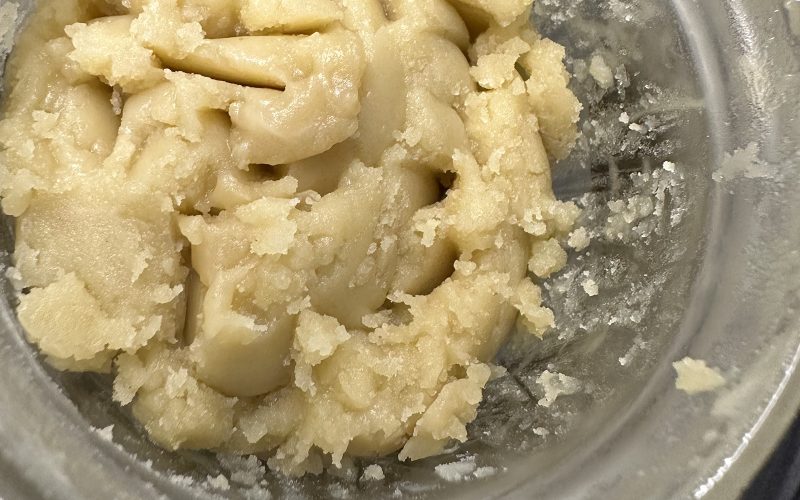
Cold cure hash is hash that is cured under low-temperature conditions to help preserve terpenes, protect texture, and slow product degradation after drying.
While general hash curing focuses on stabilizing dried hash, cold curing is a more specific method used for premium solventless products. The goal is to keep the hash cold enough to reduce terpene loss, limit oxidation, and maintain the aroma, flavor, and consistency created during washing, collection, and drying.
This guide explains what cold cure hash is, how it differs from regular hash curing, why temperature matters, and when producers should use cold curing as part of a solventless extraction workflow.
Sections
ToggleWhat Is Cold Cure Hash?
Cold cure hash is dried hash that is cured in a cold, controlled environment instead of at room temperature or in uncontrolled storage conditions.
The process is designed to protect delicate compounds inside the resin, especially terpenes. Terpenes are highly sensitive to heat, oxygen, and light exposure. When hash is kept cold during curing, it can better retain its strain-specific aroma, flavor, and texture.
Cold cure hash is most often associated with premium bubble hash, ice water hash, and hash that will later be pressed into rosin. It is not a way to fix poor-quality resin. Instead, it is a preservation and stabilization method for hash that has already been properly washed, collected, and dried.
Why Cold Cure Hash Matters
Cold cure hash matters because hash quality can change quickly after drying. Even well-made hash can lose aroma, flavor, and texture if it is exposed to too much heat, light, oxygen, or moisture.
Cold curing helps slow that decline by creating a more stable environment for the resin.
The main goals of cold curing hash are to:
- Preserve terpene content
- Protect natural aroma
- Maintain better flavor
- Improve texture stability
- Reduce heat-related degradation
- Support better storage quality
- Prepare hash for premium rosin production
For producers focused on solventless quality, cold curing is not just a storage choice. It is part of post-processing control.
Cold Cure Hash vs Regular Hash Curing
The main difference between cold cure hash and regular hash curing is temperature.
Regular hash curing may happen at room temperature or in a cool storage area. Cold cure hash uses lower temperatures to slow degradation and protect volatile compounds.
Both methods aim to stabilize the hash after drying, but cold curing gives producers more control over quality preservation.
Regular Hash Curing
Regular hash curing is the broader process of allowing dried hash to stabilize after extraction and drying. It may involve airtight containers, dark storage, moisture monitoring, and time.
This method can work well for some products, but it may be less predictable if temperature and oxygen exposure are not carefully controlled.
Cold Cure Hash
Cold cure hash uses colder conditions to protect the resin more aggressively. This is especially useful for premium solventless hash where aroma, flavor, and texture are major quality markers.
Cold curing is often preferred when the hash will be consumed as a high-end product or used as input material for hash rosin.
Cold Cure Hash vs Cold Cure Rosin
Cold cure hash and cold cure rosin are related, but they are not the same process.
Cold cure hash refers to curing hash before it is consumed, packaged, stored, or pressed into rosin.
Cold cure rosin refers to curing rosin after it has already been pressed using heat and pressure.
The product being cured is different, so the timing and purpose are also different.
Cold cure hash focuses on stabilizing trichome resin before pressing or final use. Cold cure rosin focuses on developing the texture, consistency, and flavor of the finished rosin.
If you are working with both hash and rosin, each stage needs its own process controls.
When Should You Cold Cure Hash?
Cold curing is most useful when the goal is to protect premium hash quality.
Producers may choose to cold cure hash when working with:
- High-quality bubble hash
- Ice water hash
- Full-melt hash
- Hash intended for rosin pressing
- Fresh frozen starting material
- Terpene-rich resin
- Small-batch solventless products
- Premium commercial concentrate production
Cold curing may not be necessary for every hash product. Lower-grade hash, bulk material, or products intended for further processing may not need the same level of cold storage and curing control.
The better the starting material, the more important cold curing becomes.
Best Conditions for Cold Cure Hash
Cold cure hash should be kept in conditions that protect it from heat, light, oxygen, and excess moisture.
The exact conditions can vary depending on the resin, moisture level, product type, and production goals. However, the core principles remain the same.
1. Start With Properly Dried Hash
Hash should be properly dried before cold curing begins.
Cold curing is not a replacement for drying. If hash still contains too much moisture, sealing it in a cold environment can create off aromas, poor texture, instability, or other quality issues.
Before cold curing, the hash should feel stable and should not appear wet or overly sticky from excess moisture.
2. Use Clean, Airtight Containers
Cold cure hash should be stored in clean, dry, airtight containers.
Glass jars are commonly used because they do not usually add odor, are easy to clean, and can help limit oxygen exposure. Food-safe containers may also be used when they are clean, dry, and suitable for concentrate handling.
Avoid containers that can introduce odor, moisture, or contamination.
3. Keep the Hash Cold
The defining feature of cold cure hash is low-temperature storage.
Cold conditions help slow terpene loss and degradation. Trade reporting on cannabis stability testing echoes this, noting that a temperature-monitored cold chain slows degradation, stabilizes delicate formulations, and preserves the sensory qualities that separate premium concentrates from standard ones. This is especially important for delicate solventless products where aroma and flavor are key quality indicators.
The goal is to keep the hash cold enough to protect the resin without creating unnecessary moisture or handling issues.
4. Keep It Dark
Light can degrade cannabinoids and terpenes over time.
Cold cure hash should be kept away from direct sunlight and bright storage environments. Dark storage helps protect the product during curing and long-term holding.
5. Limit Oxygen Exposure
Oxygen exposure can speed up oxidation and reduce product quality.
Airtight containers help limit unnecessary air contact. Producers should also avoid opening the container too often during the curing process.
Every time the container is opened, the hash may be exposed to fresh oxygen, temperature shifts, and moisture changes.
6. Monitor Texture and Aroma
Cold curing should be monitored carefully.
Producers should check the hash for signs of stability, clean aroma, and appropriate texture. If the hash smells musty, sour, stale, or unpleasant, the drying or storage conditions may not be right.
Properly cold-cured hash should smell clean, fresh, and strain-specific.
How Long Does Cold Cure Hash Take?
There is no single timeline for cold curing hash.
Cold cure time depends on the resin quality, moisture level, container size, storage temperature, starting material, and desired final texture.
Some batches may stabilize quickly. Others may need more time.
Instead of relying only on a fixed number of days, producers should monitor the product for:
- Aroma
- Texture
- Moisture balance
- Color
- Stability
- Overall consistency
Cold cure hash is ready when it has reached a stable texture and clean aroma without signs of excess moisture, harshness, or degradation.
What Does Properly Cold-Cured Hash Look and Feel Like?
Properly cold-cured hash should feel stable and consistent for its intended product type.
It should not be overly wet, mushy, brittle, stale, or inconsistent. The aroma should be clean and expressive, with strain-specific notes still present.
The final texture can vary depending on the resin and process. Some cold-cured hash may be soft and pliable, while other batches may remain more granular or sandy.
The goal is not to force every batch into the same texture. The goal is to preserve the quality of the resin while allowing it to stabilize under controlled conditions.
Common Cold Cure Hash Mistakes
Cold curing hash requires patience and control. These mistakes can reduce quality or cause instability.
1. Cold Curing Before the Hash Is Dry
This is one of the most common mistakes.
Hash should not be sealed for cold curing while it still contains excess moisture. Moisture trapped inside the container can create off aromas, unstable texture, and potential quality problems.
Dry first. Cure second.
2. Treating Cold Cure Hash Like Cold Cure Rosin
Cold cure hash and cold cure rosin are different products.
Rosin has already been pressed. Hash has not. That means the process, texture, timing, and handling requirements are not identical.
A cold cure process that works for rosin should not automatically be applied to hash without considering moisture, resin structure, and intended use.
3. Using Too Much Heat
Heat can damage terpenes and weaken flavor.
Cold cure hash is specifically designed to avoid unnecessary heat exposure. If the hash is stored too warm, it may lose aroma, become unstable, or degrade faster.
4. Opening the Container Too Often
Frequent opening exposes the hash to oxygen, humidity, and temperature changes.
While monitoring is important, unnecessary handling can work against the cure. Producers should check the product carefully but avoid excessive exposure.
5. Expecting Cold Curing to Fix Poor Hash
Cold curing protects quality. It does not create quality from weak resin.
If the hash was made from poor starting material, dried incorrectly, contaminated, or mishandled before curing, cold curing will not solve the core problem.
The final result still depends on the full solventless workflow.
Cold Cure Hash for Rosin Production
Cold cure hash is especially valuable when the hash will be pressed into rosin.
Hash quality directly affects rosin quality. If the hash is too wet, too dry, oxidized, contaminated, or poorly stored, the finished rosin may have weaker aroma, poor texture, darker color, or inconsistent yield.
Cold curing helps protect the input material before pressing.
For producers making premium hash rosin, cold cure hash can help preserve the terpene profile and resin quality that will carry into the finished concentrate.
After pressing, the rosin may go through its own separate cold cure process to develop the desired final texture.
Cold Cure Hash and Solventless Production
Cold cure hash fits naturally into solventless cannabis production because solventless methods are designed to preserve the plant’s natural resin profile without chemical solvents.
In solventless workflows, small changes in temperature, moisture, pressure, and handling can affect final quality.
Cold curing gives producers more control after drying and before packaging or pressing. For small-batch and commercial operations, that control can help improve consistency across batches.
A strong cold cure process should connect with the rest of the production workflow, including:
- Starting material selection
- Ice water hash extraction
- Collection and sieving
- Drying
- Cold curing
- Storage
- Rosin pressing
- Packaging
- Quality control
Cold curing should not be treated as an afterthought. It is one step in a complete solventless production system.
Is Cold Cure Hash Better?
Cold cure hash can be better when the goal is to preserve terpenes, protect texture, and maintain premium product quality.
However, cold curing is not automatically better for every product.
The best curing method depends on the hash type, starting material, moisture level, production goals, storage needs, and final use.
For premium bubble hash, full-melt hash, and hash intended for rosin production, cold curing is often the preferred approach because it offers more control over aroma, flavor, and texture.
For lower-grade hash or material intended for bulk processing, a simpler curing or storage method may be more practical.
Frequently Asked Questions
What is cold cure hash?
Cold cure hash is dried hash that is cured at low temperatures to help preserve terpenes, protect texture, and slow product degradation.
Is cold cure hash the same as curing hash?
No. Curing hash is the broader process of stabilizing dried hash. Cold cure hash is a specific curing method that uses lower temperatures.
Why do producers cold cure hash?
Producers cold cure hash to protect aroma, flavor, texture, and resin quality before storage, packaging, consumption, or rosin production.
Can you cold cure hash before it is dry?
No. Hash should be properly dried before cold curing. Sealing hash with excess moisture can create off aromas, unstable texture, and quality problems.
Is cold cure hash the same as cold cure rosin?
No. Cold cure hash happens before hash is consumed, packaged, or pressed. Cold cure rosin happens after rosin has already been pressed.
Does cold curing hash increase potency?
Cold curing does not usually increase cannabinoid content. Its main purpose is to preserve quality, stabilize texture, and protect aroma and flavor.
What is the best container for cold cure hash?
A clean, dry, airtight glass jar or food-safe container is commonly used. The container should limit oxygen exposure and avoid introducing odor, moisture, or contamination.
How do you know when cold cure hash is ready?
Cold cure hash is ready when it has a stable texture, clean aroma, and no signs of excess moisture or degradation. The exact timeline can vary by batch.
Conclusion
Cold cure hash is a specific curing method used to protect premium hash after drying. By keeping hash in a cold, dark, airtight, and controlled environment, producers can help preserve terpenes, maintain texture, and slow degradation.
This process is especially useful for high-quality bubble hash, full-melt hash, and hash that will be pressed into rosin.
Cold curing should not replace proper drying, clean handling, or strong starting material. Instead, it should support the larger solventless production workflow by helping preserve the quality already created during washing, collection, and drying.
For producers focused on premium solventless concentrates, cold cure hash offers a practical way to protect flavor, aroma, texture, and final product consistency.