
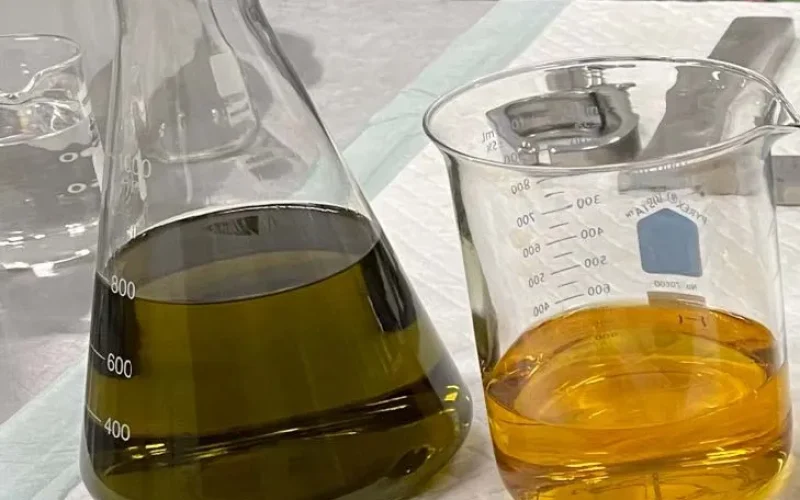
Dark color in ethanol extracts comes from chlorophyll and xanthophyll, plant pigments that dissolve readily in ethanol’s polar solvent structure, and is removed through some combination of cold or cryogenic extraction to limit pigment pickup in the first place, thorough winterization, and post-extraction treatment with activated carbon, bleaching earth, or membrane nanofiltration.
This guide covers why ethanol extracts specifically trend darker than other extraction methods, the extraction-stage choices that affect how much color ends up in the crude, and how to remove what’s already there without stripping the cannabinoids and terpenes you’re trying to keep.
Key Takeaways
- Ethanol’s polarity is the root cause of dark color, it dissolves chlorophyll and xanthophyll far more readily than the non-polar solvents used in hydrocarbon or CO2 extraction.
- Cold and cryogenic ethanol extraction reduce pigment pickup at the source, but colder extraction also reduces cannabinoid recovery, a real tradeoff rather than a free upgrade.
- Activated carbon is effective at pigment removal but adsorbs non-selectively, meaning cannabinoid and terpene loss scales with how aggressively it’s used, not just how much color needs removing.
- Membrane nanofiltration removes color and other unwanted compounds at a molecular level with less thermal and adsorptive impact on cannabinoids than carbon-based methods.
- Preventing dark color at the extraction stage, through biomass quality and temperature control, is generally more effective than trying to remove it entirely after the fact.
Causes and Fixes at a Glance
Cause | Effect on Color | Fix |
Warm ethanol extraction | Higher chlorophyll and xanthophyll co-extraction | Switch to cold or cryogenic extraction, or add post-extraction remediation |
Low-quality or degraded biomass | More plant pigment available to dissolve into solvent | Improve biomass sourcing and storage before extraction |
Extended solvent contact time | More time for pigments to dissolve into the ethanol | Shorten wash time, particularly with the QWET method |
Insufficient winterization | Residual waxes and lipids left carrying pigment | Extend or repeat the winterization and filtration cycle |
No post-extraction color treatment | Pigment remains in the finished extract | Apply activated carbon, bleaching earth, or membrane nanofiltration |
Why Ethanol Extracts Turn Dark
Ethanol is a polar solvent, which makes it effective at dissolving cannabinoids and terpenes, but that same polarity also makes it effective at dissolving chlorophyll and xanthophyll, the pigments responsible for the deep green and brown coloration common in ethanol crude. Non-polar solvents like butane and propane, and to a large extent supercritical CO2, leave much more of this pigment behind, which is why ethanol extracts trend visibly darker than hydrocarbon or CO2 extracts starting from comparable biomass.
Research on chlorophyll stability in ethanolic solutions has found that dissolved chlorophyll in ethanol is also relatively stable at room temperature and above, meaning it doesn’t break down on its own once extracted, which is part of why the color persists through the rest of processing unless it’s deliberately removed.
Warm vs. Cold Cannabis Ethanol Extraction and the Color-Yield Tradeoff
Extraction temperature is the single biggest lever for how much pigment ends up in the crude in the first place, but it comes with a real tradeoff rather than being a simple upgrade:
- Warm ethanol extraction: faster and more complete cannabinoid recovery, but pulls significantly more chlorophyll, xanthophyll, and plant waxes along with it
- Cold ethanol extraction (QWET-style methods, chilled well below freezing): reduces ethanol’s affinity for pigments and waxes, producing visibly lighter crude straight out of extraction
- The catch: as extraction temperature drops, the diffusion rate of cannabinoids into the solvent also slows, meaning colder extraction runs typically recover somewhat less total cannabinoid content per pass than a warmer run on the same biomass
In practice, this means the choice isn’t simply “colder is better,” it’s a tradeoff between starting color and starting yield that has to be weighed against how much post-extraction color correction a facility is set up to run.
Fixing Dark Color: Activated Carbon
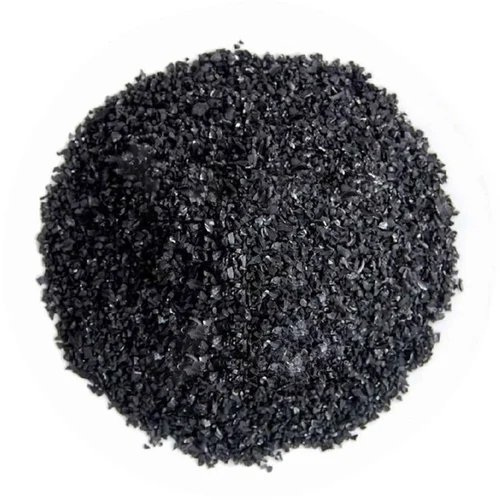
image courtesy: tradeindia.com
Activated carbon remains one of the most widely used tools for pigment removal, working through adsorption rather than physical filtration, plant pigment molecules bind to the carbon’s high-surface-area porous structure and are removed along with the carbon itself.
The tradeoff worth understanding clearly: activated carbon’s adsorption isn’t selective to pigment alone. Peer-reviewed research on PAH and pigment adsorption in oil processing notes that standard activated carbon’s non-selective adsorption profile removes desirable trace compounds, tocopherols and flavor compounds in the food-oil research literature, cannabinoids and terpenes in a cannabis context, alongside the pigments it’s meant to target. In practice this means:
- Dose matters more than most operators assume: more carbon removes more color, but also removes more of what you’re trying to keep, well past the point of diminishing returns on color alone
- Contact time compounds the effect: longer exposure to carbon increases both pigment removal and cannabinoid loss together, not one without the other
- Carbon source and grade affect trace mineral content: lower-grade natural activated carbons can carry trace mineral and ash content that, at high dose, is worth accounting for in a finished product’s quality profile
Fixing Dark Color: Bleaching Earth and Combined Media
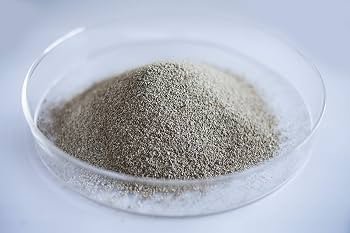
Bleaching earth (activated clay) is frequently used alongside carbon rather than as a standalone replacement, since the two adsorb somewhat different compound classes and combining them can achieve better color results at a lower total dose of either media alone than pushing one media type harder on its own.
This combined approach is common in edible oil refining for the same underlying reason: no single adsorbent handles every pigment class with equal efficiency, so blending media types spreads the adsorption load rather than concentrating all of it on one adsorbent working past its effective range. This kind of combined media pass is typically run as part of the same winterization equipment workflow that handles wax and lipid removal, rather than as a separate standalone process step.
Fixing Dark Color: Membrane Nanofiltration
Membrane nanofiltration offers a fundamentally different mechanism for color removal, separating compounds by molecular size rather than by adsorption, which avoids the selectivity tradeoff activated carbon carries.
Root Sciences’ membrane nanofiltration equipment is built specifically to run cold ethanol extraction while filtering out chlorophyll and waxes in the same process step, reducing reliance on a separate post-extraction carbon treatment stage entirely. This tends to suit operations prioritizing terpene and cannabinoid retention over the lower upfront cost of a standard carbon or bleaching earth setup.
Preventing Dark Color at the Extraction Stage
Removing color after the fact always costs some amount of cannabinoid or terpene yield, which is why preventing it at the extraction stage is generally more efficient than correcting it downstream. A few practical levers:
- Biomass quality and selection: trim and lower-quality plant material carry more chlorophyll relative to cannabinoid content than clean flower, so starting material quality directly affects how much pigment the extraction has to deal with
- Temperature control during extraction: running as cold as the facility’s target yield can tolerate limits pigment pickup without needing to correct for it later
- Wash time discipline: shorter, well-timed ethanol contact reduces the window for pigment to dissolve into solution, particularly relevant for QWET-style methods
Facilities running ethanol extraction equipment at cryogenic temperatures specifically benefit from this preventive approach, since less pigment entering the crude in the first place means less aggressive post-processing is needed to reach a target color and clarity.
Conclusion
Dark color in ethanol extracts traces back to ethanol’s polarity dissolving chlorophyll and xanthophyll more readily than other solvents do, and fixing it is really two separate decisions: how much pigment to prevent at the extraction stage through temperature and biomass choices, and how much to remove afterward through carbon, bleaching earth, or membrane filtration.
Neither decision is free of tradeoffs, colder extraction costs some yield, and post-extraction color removal costs some cannabinoid and terpene retention, which is why the right combination depends on which tradeoff a given product line can better absorb.
FAQs
Does using ethanol extraction always mean a darker product than CO2 or hydrocarbon extraction, no matter what?
Not necessarily as a fixed rule, but it does start from a disadvantage given ethanol’s polarity. A well-run cold ethanol extraction with proper post-processing can reach comparable clarity to hydrocarbon or CO2 extraction, it typically just requires more deliberate process steps (colder extraction, more thorough winterization, targeted color treatment) to get there than the other methods needed by default.
Is there a way to measure how much color removal is actually needed, rather than guessing at carbon dose?
Spectrophotometric color measurement, tracking absorbance at specific wavelengths associated with chlorophyll, gives an objective readout of pigment concentration before and after treatment, rather than relying on visual judgment alone. This lets a facility dial in carbon dose or filtration parameters to a specific target rather than over- or under-treating based on how the extract looks in a jar.
Can dark color be fixed at the distillation stage instead of during winterization or filtration?
Distillation does separate cannabinoids from most non-volatile pigments, so a properly run distillation pass significantly lightens color regardless of what happened upstream. However, relying on distillation alone to fix a heavily pigmented crude generally means more passes and more thermal exposure than starting with a cleaner, better-winterized feedstock, so it’s a less efficient fix than addressing color earlier in the process.
Does dark color in the final extract indicate a safety or contamination problem, or is it purely cosmetic?
On its own, color is primarily a cosmetic and market-value factor rather than a safety indicator, chlorophyll and plant waxes aren’t inherently unsafe, though they can affect flavor and mouthfeel. That said, unusually dark color paired with other quality issues (unexpected odor, inconsistent texture) is worth treating as a signal to check biomass quality or process parameters more broadly, rather than assuming color alone tells the full story.
How does ethanol’s flammability affect the equipment and facility choices available for color-correction steps like carbon filtration?
Since carbon and bleaching earth filtration on ethanol-based extract still involves handling a flammable solvent, this step generally needs to happen within the same classified facility space and handling protocols as the rest of ethanol processing, not treated as a lower-risk step just because it’s downstream of extraction. Facility and storage requirements for ethanol are addressed specifically under NFPA 30, the Flammable and Combustible Liquids Code, which applies to bulk ethanol handling throughout the process, not just at the extraction vessel itself.