
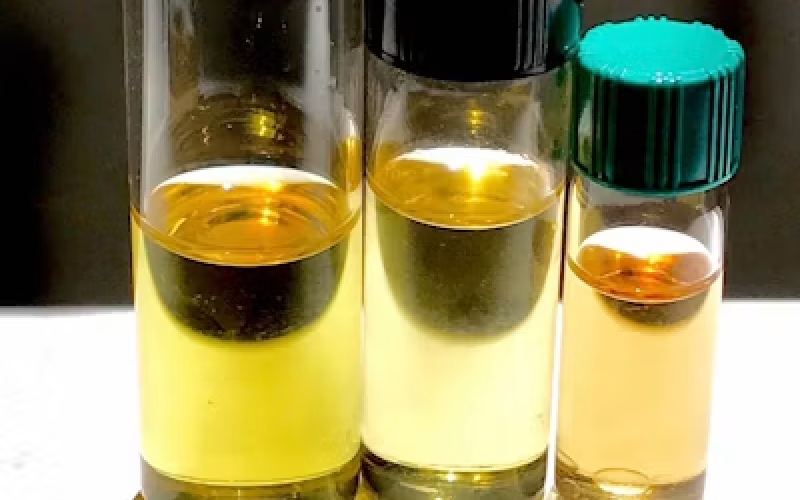
Thermal terpene extraction uses controlled heat to release terpenes from plant material as vapor, which is condensed and collected before the biomass moves on to cannabinoid extraction. In a 2024 comparison of extraction methods on one cultivar, heat-based hydrodistillation recovered the widest range of terpenes, with beta-caryophyllene at 25 to 42 mg/g, while supercritical CO2 returned limited terpene variety.
This guide explains how thermal terpene extraction works, what it recovers, how heat affects the biomass left behind, and what processors should define before they start.
Sections
ToggleKey Takeaways
This guide covers how thermal terpene extraction works and what a processor should decide before using it.
- Thermal terpene extraction separates terpenes from biomass using controlled heat, then condenses the vapor into a collectable liquid.
- It selects for volatile compounds. In published studies of heat-based methods, terpenes came off while cannabinoids largely stayed in the biomass.
- Heat is both the tool and the risk. Terpene loss rises with temperature, airflow, and surface area, so control matters more than speed.
- Whether cannabinoids are decarboxylated depends on the method. Steam studies show conversion, while a gentle-heat design aims to avoid it.
- Beginners should define batch size, target product, and downstream use of the biomass, and test terpenes before and after.
What Is Thermal Terpene Extraction?
Thermal terpene extraction is a way of separating terpenes from cannabis or hemp biomass using controlled heat instead of a solvent. Terpenes are the aromatic compounds that give a strain its smell and flavor. Because they evaporate at much lower temperatures than cannabinoids, gentle heating turns them into vapor while the cannabinoids stay in the plant material. The vapor is then cooled, condensed, and collected as a liquid.
The term is not a formal standard. Processors use it for a family of heat-based methods that includes steam distillation and hydrodistillation, as well as designs that apply heat without water. What they share is the goal: recover the terpenes first, intact and unmixed with solvent, and leave the biomass available for whatever comes next.
For a beginner, it helps to think of it as the first step in a longer chain, not a finished product line. The terpenes it collects can be tested, stored, and added back to a finished oil later, and the leftover biomass can go on to cannabinoid extraction.
How Thermal Terpene Extraction Works?
The process rests on a simple difference between compounds. Terpenes evaporate at much lower temperatures than cannabinoids, so gentle heating drives them out of the plant while the heavier cannabinoids remain. The vapor is then pulled through a cold surface, where it condenses back into a liquid that can be collected.
Most thermal terpene systems share the same few parts.
- A heated vessel that holds the biomass, often with a way to move or tumble the material so it heats evenly.
- A temperature control system that holds the material in a set range.
- A condenser or cold trap that turns terpene vapor back into liquid.
- A collection vessel that receives the condensed terpenes.
Root Sciences builds this type of equipment in its terpene extraction systems. The TES-5 is a lab-scale unit for batches up to 5 lb, and the TES-20 is a commercial unit for up to 20 lb. The TES-20 is described as solventless, with controlled heat and an internal agitator that tumbles the material in a stationary reactor, and with a liquid-nitrogen cold trap that condenses the terpenes.
What Happens to Cannabinoids During Thermal Extraction?
Heat is also what converts acidic cannabinoids such as THCA and CBDA into THC and CBD. The 2021 steam study found that distillation decarboxylated the acidic cannabinoids in the biomass. The Terpenes and Testing decarboxylation article adds that heat has a cost, citing vacuum-oven losses of about 8 percent for THCA and THC, 18 to 25 percent for CBDA and CBD, and 53 percent for CBGA and CBG.
This matters because the right outcome depends on the plan for the biomass. If the next step is a hydrocarbon or ethanol extraction of acidic cannabinoids, converting them early changes the product. If the biomass is headed for decarboxylation anyway, conversion during terpene recovery is less of a concern.
For that reason, some systems are designed to run at gentle temperatures that avoid decarboxylation. The TES-20, for example, is described by Root Sciences as not decarboxylating the cannabinoids, so the same material can go on to solvent-based extraction after the terpenes are removed. Whatever the design, confirm it by testing the leftover biomass for acidic and neutral cannabinoids.
Why Terpenes Respond to Heat Differently Than Cannabinoids?
Terpenes vary in how easily they evaporate. According to Terpenes and Testing, myrcene boils at about 167 °C, limonene and ocimene at about 176 °C, and beta-caryophyllene at about 263 °C, and the lighter monoterpenes evaporate first. Because the compounds leave at different points, the temperature and time of a run shape which terpenes are collected.
Heat also works against the processor. Terpene loss is not a threshold that switches on at one temperature. It is a continuous rate that rises with temperature, airflow, and surface area. A hotter or longer run recovers more of the heavier terpenes but risks losing the lightest ones, so no single setting is best for every profile.
This is why equipment for terpene recovery focuses on control: holding the material at a set temperature, limiting exposure to oxygen, and moving the vapor to the cold trap quickly.
What Thermal Terpene Extraction Recovers From Biomass?
Different extraction methods favor different compounds. Heat-based recovery gave the greatest terpene variety and abundance, with a yield of 0.08 to 1.1 percent. Supercritical CO2 gave the highest CBD, at 12.8 to 20.6 mg/g, with a narrower terpene range and a yield of 1.3 to 1.8 percent. Ethanol gave the highest acidic cannabinoid content and a yield of 22 to 24 percent. The low terpene yield by weight is why thermal recovery usually runs as one step in a longer process, not a standalone replacement for cannabinoid extraction.
A 2021 study in Scientific Reports on steam distillation of hemp found the same pattern. Terpenes went into the essential oil, with yields between 0.37 and 1.85 percent of dry biomass depending on cultivar, while cannabinoids stayed in the plant material.
Two cautions apply. Both studies used a single method type on a small number of samples, and neither reports the distillation temperature, so the results show the pattern and not a setting to copy. The low yields also show that thermal terpene extraction recovers a small fraction of the plant by weight, which is why it is usually one step in a larger process.
What Happens After Terpene Recovery
Recovered terpenes are a separate product from the cannabinoid extract. They can be stored, tested, and later reintroduced to a finished oil. Terpenes and Testing is careful about this step, noting that reintroducing terpenes is a reconstruction and not a restoration, and that it is limited to the compounds that were measured.
The leftover biomass moves on to cannabinoid extraction, and from there the usual path to a finished oil applies, such as the steps in the guide to making cannabis distillate. Processors who want background on a related heat method can also read the guide to steam-distilled terpenes.
Thermal Terpene Extraction vs CO2 and Ethanol
The methods differ in what they target. Thermal recovery targets volatile terpenes, while CO2 and ethanol target cannabinoids and take terpenes along to varying degrees. The table compares them using the 2024 study results. The heat-based row reflects hydrodistillation, the heat method that study tested.
Method | Strongest result | Yield | Trade-off |
Heat-based Terpene Recovery | Widest terpene variety and abundance | 0.08 to 1.1 percent | CBD and CBC below 1 mg/g |
Supercritical CO2 | Highest CBD and CBG | 1.3 to 1.8 percent | Limited terpene variety |
Ethanol | Highest acidic cannabinoids | 22 to 24 percent | Takes up much non-target material |
The methods are not rivals in every case. A processor can recover terpenes first and extract cannabinoids afterward, which the next sections explain.
Process Variables That Matter for Processors
Beginners often ask which setting matters most. In practice, a handful of variables work together, and they are worth recording on every batch.
- Temperature: Sets which terpenes evaporate and how much degrades.
- Time: Longer runs recover more of the heavier terpenes and expose the lighter ones to more heat.
- Batch size and loading: Material that is packed densely heats unevenly, which is one reason agitation is used.
- Particle condition: The steam study suggested that chopping and mechanical harvest damaged glands and probably lowered the yield from one sample.
- Condensation: A colder trap captures more of the light terpenes that would otherwise pass through.
Because the published studies do not report temperatures, equipment makers’ operating ranges and a processor’s own test runs are the practical source for settings. Test runs on a small batch show how a given input behaves before committing a full load.
What Beginners Should Define Before Starting?
A few decisions made up front prevent most early problems. The table lists them with what each affects.
Decision | Why it matters |
Target product | Full-spectrum terpenes, a specific blend, or a byproduct stream |
Input material | Fresh, frozen, or dried biomass behaves differently |
Downstream use of biomass | Decides whether decarboxylation is acceptable |
Batch size | Lab-scale tests do not guarantee commercial results |
Testing plan | Terpene and potency results before and after show what the run did |
Testing is the part beginners skip most often. A terpene panel on the input and the collected terpenes, plus a potency test on the leftover biomass, shows what the process did. Labs that run this work in-house typically start with the equipment described on the analytical equipment page.
Getting Started With Thermal Terpene Extraction
Thermal terpene extraction is a way to capture the most volatile part of the plant before it is lost to later processing. It works through a plain principle, heat releases terpenes and a cold surface collects them, but the results depend on control of temperature, time, and handling.
A new processor does well to start small, record every variable, and test the input, the terpenes, and the leftover biomass. Those records turn a general process into one tuned for a specific cultivar and product.
Frequently Asked Questions
Is thermal terpene extraction the same as steam distillation?
Not exactly. Steam distillation uses steam passing through the plant material, and the vapor mixture is condensed into an oil and water. Thermal terpene extraction is a broader term for using controlled heat to release terpenes, and some designs work without water. Both rely on the volatility of terpenes, so the principle is shared. The published research on steam and hydrodistillation therefore explains the science, but its settings should not be copied into a different system.
Why are terpene yields so low by weight?
Terpenes make up only a small share of the plant by weight, so even a well-run recovery returns a small amount of oil compared with the amount of biomass processed. Yield also varies with the cultivar and with how the material is handled before processing, since damaged or crushed plant material can lose terpenes before they are collected. Low weight does not mean low value, because terpenes drive the aroma and flavor of the finished product.
Does removing terpenes first affect the cannabinoid extraction that follows?
The published studies do not test this directly, so the answer is to measure it. Terpene recovery changes the composition of the biomass, and a gentle run should leave cannabinoids in place. A potency test on the leftover biomass, compared with the input, shows whether any cannabinoids were converted or lost. Running that comparison on a small batch is a low-cost way to confirm it before scaling.
Can fresh or frozen biomass be used instead of dried material?
The sources reviewed do not compare fresh, frozen, and dried input, so no figure can be cited. Water content changes how the material heats and how much vapor leaves, and it can change which terpenes are collected. A processor should test each input type separately and record the terpene profile of each result. Treating each input form as its own validation keeps the data clean.
How do I know the collected terpenes are representative of the plant?
Compare a terpene panel of the input with a panel of the collected terpenes. Differences show which compounds the run favored, since lighter monoterpenes and heavier sesquiterpenes leave the plant at different rates. Keep in mind that a single run can shift the balance toward whichever compounds evaporate most easily. Repeating the comparison across several batches shows whether the profile is steady.