
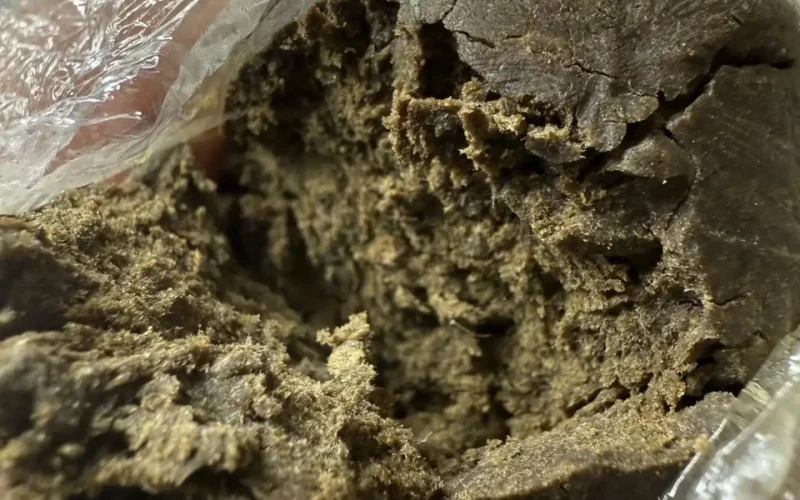
Bubble hash is one of the most respected solventless cannabis concentrates because it captures resin glands from the plant without using chemical solvents. When made well, it can preserve cannabinoids, terpenes, and the natural character of the starting material.
But raw bubble hash is not always in its most active form. That is where decarboxylation comes in.
To decarb bubble hash means to apply controlled heat so certain acidic cannabinoids can convert into their neutral forms. This process can change the chemical profile of the hash, affect its texture, influence its aroma, and impact how it performs in certain product applications.
For processors, extractors, and cannabis brands, understanding decarboxylation is important because bubble hash is more delicate than regular flower. It contains concentrated trichomes with less plant material, which means it can respond quickly to heat. Too little heat may leave the material under-converted. Too much heat can reduce quality, darken the hash, and affect terpene retention.
This guide explains what decarb bubble hash means, why it matters, and what factors affect the final result.
Sections
ToggleWhat Does It Mean to Decarb Bubble Hash?
Decarbing bubble hash means using heat to trigger decarboxylation.
Cannabis naturally contains acidic cannabinoids such as THCA and CBDA. These compounds can convert into THC and CBD through heat exposure. This conversion happens because the acidic cannabinoid loses a carboxyl group, which changes its chemical structure.
In simple terms, decarboxylation is the activation stage that changes the cannabinoid profile of cannabis material.
Bubble hash can be decarbed, but it needs careful handling because it is a concentrated resin product. Since much of the plant matter has already been removed during washing and separation, the hash can be more sensitive to heat than the whole flower.
Why Bubble Hash Is Different from the Flower?
Bubble hash is made by separating trichomes from cannabis using ice water, agitation, and filtration bags. The final product is rich in resin glands, which contain many of the plant’s cannabinoids and terpenes.
This makes bubble hash different from cannabis flower in three important ways.
First, it is more concentrated. A small amount of bubble hash can contain a high level of cannabinoids compared with the same weight of flower.
Second, it has less plant material. The flower contains leaves, stems, and other plant matter that can affect how heat moves through the material. Bubble hash is mostly resin, so it can heat differently.
Third, it can be more delicate. Terpenes and cannabinoids can be affected by heat, oxygen, and light. Because bubble hash is resin-rich, quality control matters at every stage. A 2025 review of cannabis processing stages frames this precisely as a trade-off: drying and decarboxylation steps have to balance sufficient heat for cannabinoid conversion against the terpene loss that heat causes, that is, a balance that gets harder to strike the more concentrated the starting material is.
This is why decarbing bubble hash should not be treated exactly the same as decarbing the flower.
Why Decarboxylation Matters?
Decarboxylation matters because it changes the chemical form of cannabinoids.
Raw cannabis and raw hash often contain more acidic cannabinoids. These acidic forms are part of the natural plant profile. When heat is applied, those acidic cannabinoids can convert into neutral cannabinoids.
This conversion is important for product consistency, formulation accuracy, and lab reporting. In commercial cannabis production, brands often need to understand the difference between acidic cannabinoids, neutral cannabinoids, and total cannabinoid potential.
For example, a batch of bubble hash may test high in THCA before decarboxylation. After decarboxylation, the cannabinoid profile may show a higher amount of THC and a lower amount of THCA.
That shift is the main reason decarboxylation is such an important concept in cannabis processing.
When Should Bubble Hash Be Decarbed?
Bubble hash does not always need to be decarbed immediately. In many cases, keeping hash in its raw form can help preserve more of its original terpene and cannabinoid profile until it is needed for a specific production purpose.
The right timing depends on the intended product, the compliance requirements, and the desired final cannabinoid profile.
Processors may choose to decarb bubble hash when they need a more activated cannabinoid profile for a finished product. Others may prefer to keep it raw for solventless concentrate applications where preservation of the original resin character is the priority.
The main point is simple: bubble hash should be decarbed only when there is a clear reason to change its cannabinoid profile.
What Happens During the Decarb Process?
During decarboxylation, heat causes acidic cannabinoids to convert into neutral cannabinoids. This process does not happen all at once. It depends on time, temperature, moisture, material thickness, and heat distribution.
With bubble hash, even heating is especially important. Dense clumps can heat unevenly, while material spread too thin may be more exposed to oxygen and heat stress. Moisture content can also affect the result. Bubble hash that has not been dried correctly may behave unpredictably when heated.
As decarboxylation happens, the material may change in color, texture, and aroma. These changes can be normal, but strong burning smells, excessive darkening, or an oily scorched appearance may suggest that the material has been overheated.
Key Factors That Affect Decarbed Bubble Hash Quality
Several factors influence the quality of decarbed bubble hash.
Starting Material Quality
High-quality decarbed bubble hash starts with high-quality hash. If the starting material contains contaminants, excess moisture, or poor resin quality, decarboxylation will not fix those issues.
Clean input material, proper washing, careful filtration, and controlled drying all matter before decarboxylation begins.
Moisture Content
Bubble hash should be properly dried before further processing. Excess moisture can affect texture, create uneven heating, and increase quality risks during storage.
For commercial processors, moisture control is a major part of producing stable, consistent hash.
Temperature Control
Heat is necessary for decarboxylation, but too much heat can reduce quality. High temperatures may speed up conversion, but they can also affect terpenes and degrade sensitive compounds.
The best approach is controlled heat rather than aggressive heat.
Time
Decarboxylation depends on both temperature and time. A lower temperature may require more time, while a higher temperature may require less time. The goal is not simply to heat the hash quickly. The goal is to encourage conversion while protecting quality.
Oxygen and Light Exposure
Cannabinoids and terpenes can be affected by oxygen and light. Limiting unnecessary exposure can help protect the final material. This is especially important after decarboxylation, when the product may be more vulnerable to degradation if stored poorly.
Common Mistakes When Decarbing Bubble Hash
The most common mistake is overheating. Bubble hash is concentrated and delicate, so excessive heat can quickly affect quality.
Another mistake is working with hash that has not been dried correctly. Moisture can create problems during heating and storage.
A third mistake is ignoring batch variation. Not all bubble hash behaves the same way. Different micron grades, resin quality, moisture levels, and starting cultivars can all affect the process.
Finally, some processors fail to document their process. For commercial work, batch records, lab results, and repeatable procedures are essential for consistency.
How Decarbing Affects Texture and Appearance?
Raw bubble hash can range from sandy and granular to sticky and resinous, depending on grade and moisture level. After decarboxylation, the texture may become darker, softer, stickier, or more uniform.
Some change is expected, but the final appearance should still reflect careful processing. Material that appears burned, overly dry, or unevenly heated may indicate poor control.
Color alone does not determine quality. Bubble hash can vary naturally based on cultivar, trichome maturity, wash quality, and drying conditions. However, sudden excessive darkening during decarboxylation can be a sign of heat stress.
How to Store Decarbed Bubble Hash?
Storage plays a major role in preserving decarbed bubble hash.
The best storage conditions are cool, dark, dry, and airtight. Heat, light, air, and moisture can all reduce quality over time. Glass containers are often preferred because they are non-reactive and help protect the material when sealed properly.
For commercial operations, labeling is also important. A stored batch should include batch information, processing date, cannabinoid profile, and any relevant test results.
Decarbed bubble hash should not be left exposed to open air longer than necessary. Once the material has been activated and processed, proper storage helps protect its consistency and chemical profile.
Decarb Bubble Hash for Commercial Processing
For cannabis businesses, decarbing bubble hash is not just a simple heating step. It is part of a larger production workflow.
Commercial processors need to consider:
- Batch size
- Equipment accuracy
- Heat distribution
- Moisture control
- Lab testing
- Compliance requirements
- Documentation
- Final product goals
- Storage conditions
The process should be repeatable and validated. A controlled workflow helps reduce waste, improve consistency, and protect product quality.
This is especially important when working with premium solventless material. Bubble hash takes time and skill to produce, so poor decarboxylation can reduce the value of the final product.
Decarbed Bubble Hash vs Raw Bubble Hash
Raw bubble hash and decarbed bubble hash are not the same.
Raw bubble hash usually preserves more of the original acidic cannabinoid profile. It may also retain more of the fresh resin character when stored correctly.
Decarbed bubble hash has gone through a chemical conversion process. Its cannabinoid profile has changed, and its texture, aroma, and stability may also be different.
Here is the simplest way to understand the difference:
Raw bubble hash keeps the resin closer to its original extracted state.
Decarbed bubble hash has been heat-treated to convert acidic cannabinoids into neutral cannabinoids.
Both forms can be useful, but they serve different processing goals.
Frequently Asked Questions
What does decarb bubble hash mean?
Decarb bubble hash means applying controlled heat to bubble hash so acidic cannabinoids such as THCA can convert into neutral cannabinoids such as THC.
Does bubble hash need to be decarbed?
Bubble hash only needs to be decarbed when the final product or processing goal requires an activated cannabinoid profile. If the goal is to preserve the raw resin profile, decarbing may not be necessary.
Is decarbing bubble hash different from decarbing a flower?
Yes. Bubble hash is more concentrated and contains less plant material than flower, so it can be more sensitive to heat. This makes temperature control and even heating especially important.
Can decarbing bubble hash affect terpenes?
Yes. Heat can affect terpenes, especially if the process is too hot or too long. Controlled heat and proper storage help protect quality.
Why does bubble hash change color after decarbing?
Color change can happen as cannabinoids convert and the material responds to heat. Slight darkening may be normal, but excessive darkening can suggest overheating.
How should decarbed bubble hash be stored?
Decarbed bubble hash should be stored in a cool, dark, dry, and airtight environment. Proper storage helps protect cannabinoids, terpenes, and texture.
Final Thoughts
Decarb bubble hash is an important topic for anyone working with solventless cannabis concentrates. The process changes the cannabinoid profile of the hash and can affect texture, aroma, stability, and final product consistency.
The most important thing to understand is that bubble hash is delicate. It is not the same as flower, and it should not be handled carelessly during heating. Proper moisture control, temperature management, storage, and lab testing all play a role in preserving quality.
For processors and cannabis brands, decarboxylation should be treated as a controlled production step, not a guesswork process. When done with care, it can help create a more consistent activated cannabinoid profile while protecting the value of the original resin.