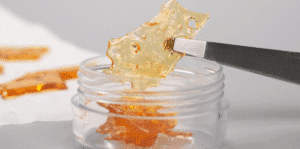

Solventless extraction is fast becoming a popular choice among producers as it caters to the premium markets. With the rush to serve consumers willing to pay more for natural and chemical-free products, several solventless concentrate types are emerging. With more choices than ever before, understanding the various types of solventless extracts is essential for choosing according to your preference.
That’s why we put together this guide on solventless concentrate types, explaining how they’re made, what distinguishes them from one another, and which concentrate types to pick for your specific needs.
Sections
ToggleWhat Are Solventless Concentrates?
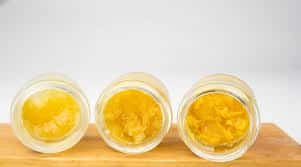
Solventless concentrate types are the cannabis extracts produced using only mechanical force, heat, pressure, ice, and water. Cannabis solventless extraction techniques use no chemical solvents like butane, propane, ethanol, or CO2 at stage of the process.
All types of solventless extracts have high aroma and a full-spectrum cannabinoid profile due to terpene preservation. However, different concentrate types within the solventless category vary significantly in production methodology, texture, potency, terpene preservation, and price.
What are Solventless Concentrate Types?

Depending on the solventless cannabis extraction methods, different types of solventless concentrates can be prepared. Here are the most popular types:
Hash (Dry Sift Hash)
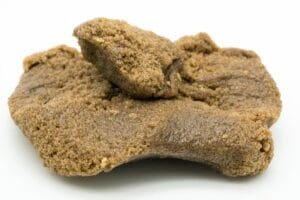
The oldest solventless concentrate types, hash, are extracted using gravity and mechanical screening to separate trichomes from dried cannabis plant material.
How it works:
- Dried cannabis plant material is gently agitated over stacked mesh screens
- Trichome heads fall through and are collected, passing through multiple sifting screens
- Dry sift is further refined to achieve quality
Key characteristics:
- Premium quality dry sift is a fine, sandy powder with a color ranging from tan to gold
- High-grade hash contains 60-90% cannabinoids
- Dry hash preserves terpenes exceptionally well
Why it’s valued:
Dry sift is different from other solventless concentrate types for its simplicity, excellent terpene retention, and authentic representation of strain characteristics. Also, premium-quality hash is an excellent starting material for high-end rosin production.
Ice Water Hash (Bubble Hash)
Also known as bubble hash, ice water hash is another popular solventless concentrate. It is produced using freezing water to mechanically separate trichomes from cannabis.
How it works:
- Cannabis material is submerged in ice-cold water (32-34°F) and agitated
- Brittle trichome heads are prone to breaking away from plant material
- The water-trichome mixture was filtered progressively using finer micron filter bags
- Collected bubble hash is dried using freeze-dryers
Key characteristics:
- The concentrate type is available in several forms, ranging from greasy, full-melt consistency (high-grade) to crumbly and thick
- Bubble hash color spans from blonde to light brown
- The potency can reach 70-90% cannabinoids
Why it’s valued:
Among types of solventless extracts, bubble hash achieves the highest purity levels. The use of cold water preserves delicate terpenes. High purity is ideal for dabbing or pressing into rosin.
Live Hash
Live hash can be considered a premium variation of ice water hash. It is extracted from fresh-frozen cannabis rather than dried material.
How it works:
- Cannabis plants are harvested at peak maturity and immediately flash-frozen
- Ice water extraction is used to separate terpenes from frozen material
- The process prevents any terpene evaporation or degradation, capturing the complete aromatic profile
Key characteristics:
- A more intense, complex terpene profile with pronounced aromas
- This concentrate type appears lighter in color (blonde to pale gold) with a more resinous texture
- Terpene content can exceed 10-15% of total weight
Why it’s valued:
Live hash is counted among the solventless concentrate types that deliver the most authentic strain-specific flavors and aromas possible. It is also a raw material for live rosin production and is favored by connoisseurs for maximum terpene expression.
Rosin
Rosin is one of the traditional solventless concentrate types that home extractors or commercial processors can easily create using only heat and pressure without specialized equipment or solvents.
How it works:
- Cannabis flower, hash, or kief is pressed between heated metal plates using a rosin press
- The application of heat and pressure causes resinous compounds to flow out
- Rosin is collected on parchment paper
Key characteristics:
- Rosin has a diverse texture, including shatter, sap, budder, and badder
- Depending on the starting material, pressing temperature, and post-press manipulation, it can be light golden to deep amber
- It typically preserves 70-85% cannabinoids
Why it’s valued:
Rosin has democratized solventless extract production by making the process accessible without dangerous solvents or expensive closed-loop systems. It is a clean and flavorful concentrate type offering excellent versatility in texture and consistency manipulation.
Live Rosin
Live rosin represents the pinnacle of solventless concentrate types, combining fresh-frozen starting material with heat-press extraction. It is the most premium cannabis concentrate available.
How it works:
- Fresh-frozen cannabis undergoes ice water extraction to create live hash
- Live hash is freeze-dried to remove all moisture
- The dried live hash is pressed at low temperatures to produce live rosin
Key characteristics:
- This concentrate type delivers unmatched terpene profiles, often 12-20% terpene content
- Live rosin is intensely flavorful and aromatic
- Physically, this solventless concentrate is sauce-like with terp-heavy consistency
Why it’s valued:
Solventless live rosin is considered the ultimate concentrate type by connoisseurs. It is prized for its peak flavor, purity, and strain authenticity. It retains complete terpene profiles, full cannabinoid spectrums, and authentic effects.
Key Differences Between Solventless Concentrate Types
Concentrate Type | Starting Material | Texture | Flavor& Terpenes | Potency | Price Range |
Dry Sift Hash | Dried cannabis flower | Fine powder to pressed cake | Good; natural profile | 60-85% cannabinoids | $20-$50/gram |
Ice Water Hash | Dried/cured cannabis | Greasy to crumbly | Excellent; clean taste | 70-90% cannabinoids | $30-$60/gram |
Live Hash | Fresh-frozen cannabis | Greasy, resinous | Exceptional; living-plant aromas | 70-90% cannabinoids | $40-$80/gram |
Rosin | Flower, hash, or kief | Variable (shatter to badder) | Very good; strain-specific | 70-85% cannabinoids | $30-$60/gram |
Live Rosin | Fresh-frozen hash | Sauce to badder consistency | Outstanding; maximum terpenes | 75-90% cannabinoids | $60-$100+/gram |
Benefits of Solventless Concentrates
Irrespective of which of the solventless concentrate types you choose, there are several key advantages:
- Zero residual solvent risk eliminates extensive testing requirements
- Superior terpene preservation offering authentic strain flavors and aromas
- Purity and natural production make all types of solventless extracts safe for medical users
- Full-spectrum cannabinoid profiles offer a full-spectrum experience
How to Choose the Right Solventless Concentrate
Choice among solventless concentrate types depends on several factors, as premium concentrates can be expensive, everything from your budget and flavor priorities to potency requirements and consumption preferences matters.
If you’re new to solventless concentrate types, start with flower rosin or ice water hash. These concentrates are moderately priced and introduce you to balanced solventless characteristics. For connoisseurs prioritizing maximum flavor, live hash and live rosin concentrate types offer unmatched terpene expression, but at a premium price. However, budget-conscious consumers can explore dry sift hash and flower rosin for solid solventless experiences.
For producers interested in solventless extraction process for high-quality processes, it’s essential to explore the commercial and operational aspects. Here’s a BHO vs solventless extraction guide which explains the same.
Conclusion
Understanding the various types of solventless extracts empowers you to navigate the premium concentrate market with confidence. Selecting from available solventless concentrate types is about quality expectations, flavor preferences, and budget constraints. For commercial operations modern methods like CO₂ Extraction offer opportunities to product solventless concentrates at scale.