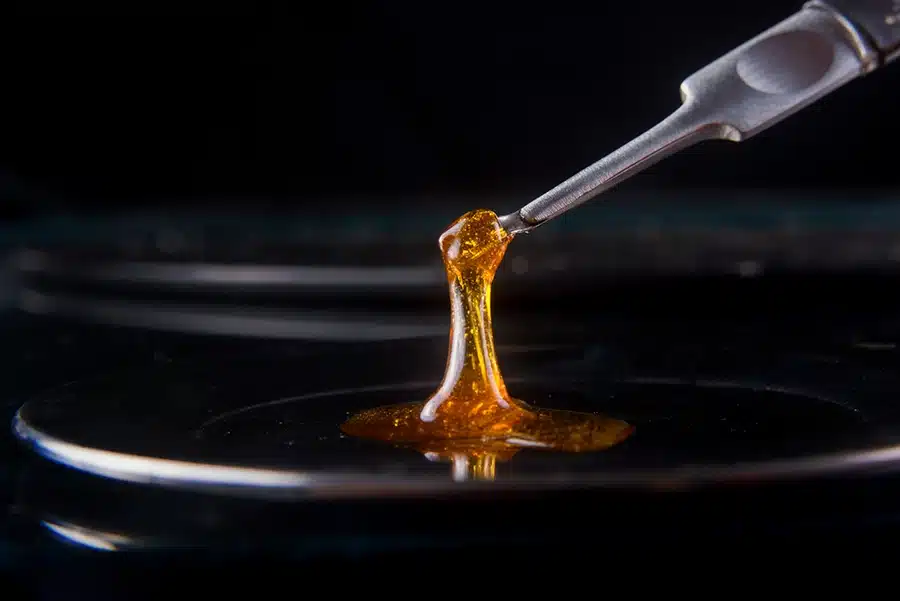
With a shift towards natural and organic processes, the solventless extraction process is becoming a gold standard for producing premium cannabis concentrates. By eliminating the chemical solvents entirely, the process delivers unmatched purity and flavor. In this article, we delve deeper to understand what are solventless concentrates, the extraction process, its principles, methods, advantages, and considerations.
Sections
ToggleWhat Is Solventless Extraction?
The solventless extraction process refers to any method of separating cannabinoids, terpenes, and other desirable compounds from cannabis plant material using mechanical or physical methods instead of chemical solvents. The method utilizes the fundamental principles, including mechanical separation, temperature control, pressure application, and agitation, to facilitate separation.
From kief to hash, several kinds of concentrates are created using a solventless extraction process. The premium pure concentrates with zero residual solvents earn premium pricing in the market.
Core Principles Behind the Solventless Extraction Process
The process uses simpler processes to extract desired compounds from cannabis plant material.
- Mechanical Separation: It involves using physical force, including pressing, sifting, or agitation, to break down trichome heads from plant material.
- Temperature Control: Apply heat strategically to soften resinous compounds for easier extraction. Also, colder temperature makes trichomes brittle and easier to separate from plant matter.
- Pressure and Agitation: Applied force through hydraulic pressing or water agitation breaks down trichomes, facilitating clean separation.
- Minimal Processing: As the extracts are not separated using solvents, there is no need for purification steps to remove solvent residue from the extracts.
Step-by-Step Solventless Extraction Process Overview
The solventless extraction process is simpler compared to solvent-based extraction. Here are the steps involved in the process:
- Raw Material Selection and Preparation
The process begins with the careful selection of high-quality cannabis material, typically fresh-frozen flower or properly cured buds. Source material preparation involves removing stems and excess vegetation and ensuring appropriate moisture content for the chosen extraction method.
- Application of Physical Force
The physical force used in the solventless extraction process depends on the specific method, such as hydraulic pressing (rosin), ice water agitation (bubble hash), or mechanical sifting (dry sift), to separate trichome heads from plant structures.
- Separation of Compounds
After trichomes are separated from plant material, the next step in the solventless extraction process is separating desired compounds from unwanted plant matter, waxes, and contaminants. This stage is critical as it determines final extract purity.
- Collection and Refinement
In the final stage, the separated compounds are collected, followed by refinement to achieve the desired consistency and purity. Techniques like pressing (turning bubble hash into rosin) or jarring (creating THCA diamonds) produce increasingly refined products.
Solventless Cannabis Extraction Methods Used in the Process

To produce different types of solventless concentrates, theseare some of the most widely used extraction techniques:
1. Rosin Press Extraction Process
A popular solventless extraction process, the Rosin process uses heat and pressure to extract compounds directly from raw flower, hash, or kief without any solvents.
The Process Flow
Material Preparation → Bagging (optional) → Pre-Pressing → Heat Application (180-220°F) → Pressure Application (600-2000+ PSI) → Collection
The Rosin press extraction method is known for producing clean, terpene-rich extracts such as solventless live rosin with minimal processing. It has a fast turnaround and is popular for high-quality output.
2. Ice Water (Bubble Hash) Extraction Process
The ice water solventless extraction process utilizes freezing temperatures and agitation to separate trichomes from cannabis material through mechanical action in water.
Process Flow:
Material Preparation → Ice Water Mixing → Agitation (15-20 min) → Filtration Through Micron Bags → Collection from Bags → Drying (freeze-dry or air-dry)
The technique produces some of the highest purity extracts. Bubble hash is known to be of premium grade, achieving full-melt status that vaporizes completely without residue.
3. Dry Sift Extraction Process
The dry sift solventless extraction process uses screens and mechanical agitation to separate trichomes from plant material through gravity and size-based filtration.
Process Flow:
Material Preparation → Screen Sifting (multiple passes) → Progressive Refinement (finer microns) → Collection → Optional Pressing
This traditional extraction method requires minimal equipment. It preserves terpenes exceptionally well and is an excellent solventless process for creating a wide range of extracts from basic kief to premium full-melt hash.
How the Solventless Extraction Process Ensures High-Quality Extracts
As compared to other methods, the solventless extraction process inherently produces superior quality extracts. Absence of chemical solvents better preserves the plant’s natural cannabinoid and terpene profiles. Furthermore, without solvents, undesirable compounds like chlorophyll, waxes, or lipids are not dissolved in the extracts. Heat and temperature control throughout solventless methods prevent thermal degradation of heat-sensitive terpenes that give cannabis its distinctive flavors and aromas. The process generates full-spectrum cannabis extracts and the ultimate experience that consumers seek in premium products.
Solventless Extraction Process vs Solvent-Based Processes
The fundamental differences between the two processes are numerous:
Aspect | Solvent-Based Extraction | Solventless Extraction |
Extraction Method | Uses solvents like butane or ethanol to dissolve cannabinoids | Uses mechanical processes to separate trichomes |
Solvent Residue | Requires purging to remove residual solvents | No solvent residue in the final extract |
Terpene Preservation | Improved in modern closed-loop systems, but purging can still reduce delicate terpenes | Very high terpene preservation since no solvents or purging are involved |
Safety | Requires extensive safety infrastructure due to flammable vapors and toxic exposure risks | Cannabis solventless extraction techniques are safer with no explosion risk or hazardous chemical exposure |
For detailed comparison, check out this BHO Vs Solventless Extraction guide.
Advantages of Using a Solventless Extraction Process
- Zero residual solvents or chemical contaminants make solventless extracts the cleanest possible concentrates.
- Without chemical solvents, there is superior terpene preservation, maintaining authentic strain flavors and aromas.
- Enhanced safety eliminates explosion risks, toxic exposure, and extensive safety infrastructure requirements associated with flammable solvents.
- Simplified regulatory compliance, avoiding complex residual solvent testing and ventilation requirements, making operations easier.
Process Limitations and Considerations
- Solventless extraction methods have comparatively lower yields compared to solvent-based methods.
- The process is labor-intensive, requiring skilled operators, patient processing times, and careful attention to detail for optimal results. Modern alternatives like CO₂ extraction are commercially more profitable.
- Solventless extraction is too dependent on starting material quality, as it cannot improve poor material.
Conclusion
For a premium product offering, the solventless extraction process is an excellent approach. The process can produce premium extracts with the plant’s authentic characteristics without chemical residues or processing artifacts. Producers need to understand the principles of mechanical separation, temperature control, and physical force application to create world-class rosin, bubble hash, and dry sift products. However, the final decision should consider the pros and cons, as while the solventless extraction process produces superior quality extracts, it also presents challenges such as lower yields, labor intensity, and equipment costs.