
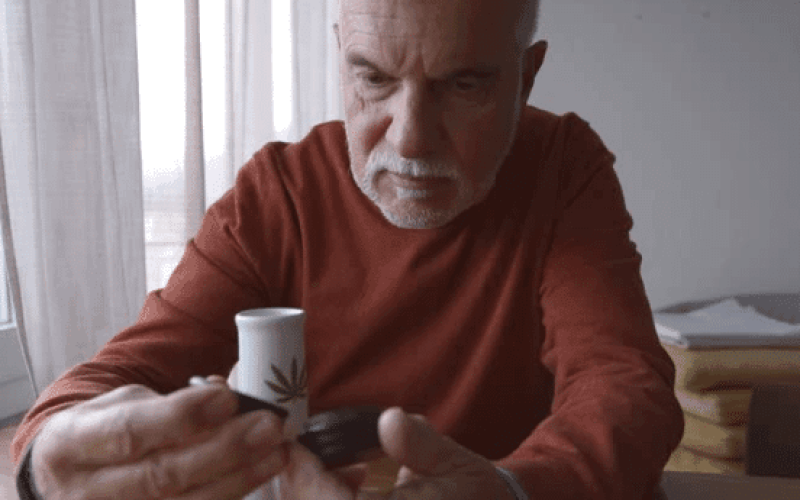
CBD benefits for men may include support for stress, sleep quality, workout recovery, joint comfort, focus, mood balance, skincare and overall wellness. As more men look for natural ways to support busy lifestyles, demanding workouts and everyday tension, CBD has become a popular addition to daily wellness routines.
But CBD is not a cure-all, and results can vary from person to person. The right CBD product depends on your goals, lifestyle, dosage, product type and health history.
In this guide, we will explain how CBD works, the most common CBD benefits for men, how to choose the right product and how to use CBD safely as part of a daily wellness routine.
Sections
ToggleWhat Are the Main CBD Benefits for Men?
The main CBD benefits for men may include support for everyday stress, better sleep, post-workout recovery, joint and muscle comfort, mood balance, focus, skincare and sexual wellness.
CBD is not intoxicating, which means it does not make you feel high when it is made from hemp and used as directed. Many men use CBD because they want a natural wellness option that can fit into their daily routine without feeling overwhelming or complicated.
Men often use CBD for:
- Managing daily stress
- Supporting better sleep habits
- Easing post-workout soreness
- Supporting joint and muscle comfort
- Promoting a calmer mood
- Helping with relaxation before bed
- Supporting skin health
- Adding balance to a wellness routine
CBD works best when it is used consistently as part of a healthy lifestyle that also includes quality sleep, regular movement, hydration, balanced nutrition and stress management.
How CBD Works in the Male Body
Before diving into specific benefits, it helps to understand the mechanism behind CBD’s effects. CBD – short for cannabidiol – is a naturally occurring compound found in hemp plants. Unlike THC (tetrahydrocannabinol), CBD is non-psychoactive, meaning it will not get you high.
CBD works primarily by interacting with the endocannabinoid system (ECS) – a biological network of receptors, enzymes, and signalling molecules that exists throughout the human body. The ECS plays a central role in regulating:
- Mood and stress response
- Sleep-wake cycles
- Immune function and inflammation
- Pain perception
- Hormonal balance
The two primary receptor types in the ECS are CB1 receptors (concentrated in the brain and central nervous system) and CB2 receptors (found mainly in immune tissues). CBD does not bind directly to these receptors the way THC does. Instead, it modulates the ECS indirectly – for example, by inhibiting the enzyme that breaks down anandamide, the body’s natural ‘bliss molecule,’ effectively increasing its levels.
CBD also interacts with serotonin receptors (5-HT1A), TRPV1 receptors involved in pain signalling, and may influence cortisol – the body’s primary stress hormone. This multi-target activity is why CBD appears to have such a wide range of effects across different body systems.
CBD May Help Men Manage Everyday Stress
Stress is one of the biggest reasons men consider CBD. Work pressure, financial responsibilities, family demands, fitness goals and daily responsibilities can all contribute to mental and physical tension.
CBD may help some men feel calmer by supporting the body’s natural stress response. Many users take CBD as part of an evening routine, before a high-pressure day or after work to help transition into a more relaxed state.
CBD may support stress management by:
- Helping the body maintain balance during stressful periods
- Supporting a calmer mood
- Reducing feelings of daily tension for some users
- Helping men unwind after work
- Supporting better rest when stress affects sleep
CBD should not be presented as a treatment for anxiety disorders, depression or any diagnosed mental health condition. If you are dealing with ongoing anxiety, panic attacks, depression or serious stress, speak with a qualified healthcare professional.
CBD May Support Better Sleep Quality
Sleep is one of the most important areas of men’s health. Poor sleep can affect energy, mood, testosterone levels, workout recovery, focus and overall performance.
Many men struggle with sleep because of stress, screen time, discomfort, late workouts, irregular schedules or an overactive mind at night. CBD may support better sleep indirectly by helping the body relax and by supporting calm before bedtime.
CBD may help with sleep by:
- Supporting relaxation before bed
- Helping quiet everyday mental tension
- Supporting comfort when soreness affects rest
- Helping create a consistent nighttime routine
- Supporting a calmer evening routine
CBD is not a traditional sedative. Some men may feel relaxed after using it, while others may notice more subtle effects over time. For sleep support, CBD is often taken 30 to 60 minutes before bed.
Men looking for sleep support often prefer CBD gummies, CBD oil or CBD formulas that include other calming hemp compounds. Always check the label, serving size and third-party lab report before use.
CBD for Workout Recovery and Muscle Soreness
Active men often turn to CBD for recovery support. Whether you lift weights, run, cycle, train outdoors, work a physically demanding job or stay active on the weekends, soreness and tightness can interfere with performance and consistency.
CBD may support workout recovery by helping with post-exercise comfort and relaxation. Topical CBD products are especially popular because they can be applied directly to specific areas such as the back, shoulders, knees, legs or arms.
CBD may support active men by helping with:
- Post-workout muscle soreness
- General muscle tension
- Physical recovery routines
- Localized comfort when used as a topical
- Relaxation after intense training
For targeted support, men often choose CBD muscle rubs, CBD creams or CBD balms. These products can be applied directly to areas that feel sore, stiff or overworked after training or physical activity.
For whole-body wellness support, some men prefer CBD oil or CBD gummies as part of a daily routine.
CBD for Joint and Muscle Support
Joint and muscle discomfort is not only a concern for athletes. Many men experience stiffness from long hours at a desk, physical labor, outdoor work, driving, aging, old injuries or repetitive movement.
CBD topicals may be useful for men who want localized support. A CBD rub, balm or salve can be applied directly to areas such as:
- Knees
- Shoulders
- Lower back
- Neck
- Elbows
- Wrists
- Hands
- Feet
CBD products do not replace medical care for serious pain, injuries or inflammatory conditions. However, they may be a helpful part of a broader comfort and recovery routine.
For everyday stiffness or post-activity support, men often prefer CBD topicals because they are easy to apply and can be used on specific areas.
CBD for Focus, Mood and Emotional Balance
CBD is not a stimulant, and it should not be marketed as a direct focus booster. However, some men may feel more focused when stress, poor sleep or discomfort are not getting in the way.
When the body feels more balanced, concentration can improve naturally. CBD may support focus indirectly by helping men feel calmer, more rested and less distracted by everyday tension.
CBD may support focus and mood by:
- Helping reduce everyday stress distractions
- Supporting a calmer daily routine
- Supporting better sleep habits
- Helping men feel more balanced throughout the day
- Encouraging consistency in wellness routines
For daytime use, many men prefer CBD gummies or CBD oil because they are easy to dose and simple to add to a routine.
CBD and Men’s Sexual Wellness
CBD is often discussed in relation to men’s sexual wellness, but this topic requires realistic expectations.
CBD does not directly increase testosterone, and it is not a treatment for erectile dysfunction. Men dealing with ongoing erectile dysfunction, low libido, hormone concerns or sexual performance issues should speak with a healthcare provider.
That said, CBD may support sexual wellness indirectly for some men by helping with relaxation, stress management and better sleep. These areas can affect confidence, energy and overall well-being.
CBD may support men’s sexual wellness by:
- Helping reduce everyday stress before intimacy
- Supporting relaxation and presence
- Supporting better sleep, which may influence energy and mood
- Helping create a calmer state of mind
CBD should be viewed as part of a broader wellness routine, not as a direct sexual performance product.
CBD for Men’s Skincare
CBD is also becoming popular in men’s skincare. Men who work outdoors, train regularly, shave often or deal with dry skin may benefit from CBD-infused topical products.
CBD skincare products may support:
- Dry skin
- Rough hands
- Skin exposed to outdoor elements
- Post-shave comfort
- Areas that need extra moisture
- Daily skin maintenance
A CBD salve, balm or cream can be especially useful for men who prefer simple, practical skincare without complicated routines.
Men can use CBD skincare products on areas such as hands, elbows, knees, feet and other dry patches. As with any topical product, test a small area first to check for sensitivity.
How Much CBD Should Men Take?
CBD dosage can vary based on body weight, product strength, metabolism, tolerance, goals and whether you are using CBD oil, gummies, capsules or topicals.
Most men should start with a low amount and increase gradually if needed. This approach helps you understand how your body responds.
Experience Level | Suggested Starting Point | Best For |
New to CBD | 5 to 10 mg daily | Beginners and light daily support |
Moderate use | 10 to 25 mg daily | Stress, sleep and general wellness support |
Higher support | 25 to 50 mg daily | More experienced users or stronger needs |
Start low and stay consistent for at least one to two weeks before adjusting. Do not take more than the product label recommends.
If you take prescription medication, have a medical condition, are pregnant, nursing or have concerns about CBD use, speak with a healthcare professional before starting.
Full Spectrum vs Broad Spectrum vs CBD Isolate for Men
Not all CBD products are the same. Before buying CBD, men should understand the difference between full spectrum, broad spectrum and CBD isolate.
CBD Type | What It Contains | Best For |
Full Spectrum CBD | CBD plus other hemp compounds, including trace THC within legal limits | Men who want the full hemp plant profile |
Broad Spectrum CBD | CBD plus other hemp compounds, with THC removed or non-detectable | Men who want multiple hemp compounds without THC |
CBD Isolate | Pure CBD only | Men who want THC-free CBD with no other cannabinoids |
Full spectrum CBD may be a good choice for men who want whole-plant hemp support. Broad spectrum CBD may be better for men who want to avoid THC. CBD isolate may be preferred by men who want the simplest CBD option.
Men who are drug tested should be especially careful. Even legal full spectrum CBD products may contain trace amounts of THC. Always review the product’s Certificate of Analysis before use.
Best Types of CBD Products for Men
The best CBD product for men depends on the goal. Some men want support for sleep, while others are more interested in recovery, soreness, stress or daily balance.
Here is a simple guide.
Goal | Recommended CBD Type | Why It Fits |
Muscle and joint support | CBD topical, rub, balm or cream | Best for targeted application |
Daily wellness | CBD oil or CBD tincture | Good for flexible daily use |
Sleep routine | CBD gummies or nighttime CBD formulas | Easy to take before bed |
Beginner-friendly CBD | CBD gummies | Simple serving size and convenient use |
Skincare | CBD salve, balm or cream | Good for dry or rough skin |
1. CBD Topicals
CBD topicals include rubs, balms, creams and salves. These are best for men who want targeted support for muscles, joints or dry skin. They are applied directly to the area where support is needed.
2. CBD Oil or CBD Tincture
CBD oil is a flexible option for men who want daily wellness support. It is usually taken under the tongue and allows more control over serving size compared to pre-measured products.
3. CBD Gummies
CBD gummies are convenient, beginner-friendly and easy to take. They are popular among men who want a simple daily CBD option without measuring oil.
4. Night time CBD Formulas
Some CBD products are designed for evening use. These may include CBD along with other calming ingredients or hemp compounds. They are often used as part of a bedtime routine.
5. CBD Salves and Balms
CBD salves and balms are practical for men who want skincare support or localized topical application. They can be used on dry hands, elbows, knees, feet or other rough areas.
Is CBD Safe for Men?
CBD is generally well tolerated by many adults, but it may cause side effects in some people. Men should understand the possible risks before using CBD.
Possible CBD side effects may include:
- Drowsiness
- Dry mouth
- Digestive discomfort
- Changes in appetite
- Fatigue
- Lightheadedness
- Mood changes in sensitive users
CBD may also interact with some medications. This is especially important if you take:
- Blood thinners
- Heart medication
- Blood pressure medication
- Seizure medication
- Antidepressants
- Antipsychotics
- Statins
- Medication with a grapefruit warning
If your medication label warns against grapefruit, ask your doctor or pharmacist before using CBD. CBD may affect similar liver enzyme pathways.
CBD is not intended to diagnose, treat, cure or prevent any disease.
What to Look for When Buying CBD for Men
The CBD market can vary in quality, so men should choose products carefully. A good CBD product should be transparent, tested and easy to understand.
Before buying CBD, check for the following.
1. Third-Party Lab Testing
Look for a Certificate of Analysis, also called a COA. This document should confirm CBD strength, THC level and product purity.
2. Clear CBD Strength
The label should clearly show how much CBD is in the product and how much CBD is in each serving.
3. Hemp Source
Choose products that are transparent about where the hemp is grown and how it is processed.
4. THC Level
Make sure the THC level is legal in your location and suitable for your lifestyle, especially if you are subject to drug testing.
5. Ingredient Transparency
Avoid products with unclear ingredients, artificial claims or vague labeling.
6. No Unrealistic Medical Claims
Be cautious of any CBD product that claims to cure diseases, treat serious conditions or guarantee results. Responsible CBD content should use realistic and compliant language.
How to Add CBD to a Men’s Wellness Routine
CBD works best when used consistently. Instead of using it randomly, choose a routine based on your goal.
1. For Stress Support
Use CBD oil or gummies at the same time each day. Many men prefer taking CBD after work or in the evening.
2. For Sleep Support
Use CBD 30 to 60 minutes before bed. Pair it with reduced screen time, a dark room, a consistent bedtime and limited caffeine later in the day.
3. For Workout Recovery
Apply a CBD topical after exercise or physical activity. Focus on areas such as shoulders, knees, back, arms or legs.
4. For Daily Wellness
Use CBD oil or gummies once daily and track how you feel over two to four weeks.
5. For Skincare
Apply a CBD salve, balm or cream to dry or rough areas as needed.
CBD Benefits for Men: Final Thoughts
CBD benefits for men may include support for stress, sleep, recovery, joint comfort, mood balance, focus, skincare and overall wellness. While CBD is not a magic solution, it can be a useful addition to a balanced lifestyle.
The key is choosing the right product type for your goal. Men focused on recovery may prefer a topical CBD rub or balm. Men looking for nighttime support may choose CBD gummies or a nighttime formula. Men who want daily wellness support may prefer CBD oil or gummies.
Start with a low serving, use CBD consistently and choose products that are third-party tested. If you take medication or have a health condition, talk with a healthcare professional before using CBD.
FAQs
The main CBD benefits for men may include support for stress, sleep quality, post-workout recovery, joint comfort, mood balance, focus, skincare and general wellness. Results vary by person and product type.
CBD may help some men feel calmer and more relaxed as part of a daily stress management routine. It should not be used as a replacement for professional care if you have anxiety, depression or a diagnosed mental health condition.
There is not enough strong human evidence to say that CBD increases testosterone. Men with low testosterone symptoms should speak with a healthcare provider for proper testing and guidance.
CBD timing depends on the product. CBD oil may work faster than gummies because it is usually taken under the tongue. Gummies must pass through digestion, so they may take longer. Topicals are applied directly to the skin for targeted support.
Many men use CBD daily as part of a wellness routine. Start with a low serving and follow the product directions. Speak with a healthcare professional if you take medication or have a medical condition.
CBD itself does not make you high. THC is the cannabinoid responsible for intoxicating effects. Full spectrum CBD may contain trace amounts of THC within legal limits, so always check the product’s lab report.
CBD laws vary by location. Hemp-derived CBD is legal in many places when it meets local THC limits, but rules can change. Always check the laws in your area before buying or using CBD.