
Cannabis distillate is one of the most widely used refined cannabis extracts in modern cannabis manufacturing. Processors produce distillate when they need consistent cannabinoid potency, neutral flavor, and predictable formulation performance for products such as vape cartridges, edibles, tinctures, capsules, and topicals.
This guide explains how cannabis distillate is made, including the main processing stages used in regulated production environments and the equipment involved in the workflow.
Compliance note:
Cannabis distillate production typically takes place in licensed processing facilities using trained operators and validated safety procedures. This article provides a high-level overview of the process and does not include operational parameters for unlicensed production.
Example of regulated testing documentation:
https://cannabis.ny.gov/system/files/documents/2023/04/ocm_howtoreadcoa_final.pdf
Sections
ToggleWhat Is Cannabis Distillate?
Cannabis distillate is a highly purified cannabis extract composed primarily of cannabinoids, such as THC or CBD, that have been separated from other plant compounds through refinement and distillation.
Compared with many full-spectrum cannabis concentrates, distillate typically has:
- Higher cannabinoid concentration
- Reduced terpene content
- Neutral flavor and aroma
- Consistent potency across batches
Because of these characteristics, distillate is widely used as a base ingredient in many manufactured cannabis products.
In most extraction workflows, distillation occurs after earlier processing steps such as extraction, purification, decarboxylation, and fractional separation.
How Cannabis Distillation Works
Cannabis distillation relies on separation principles commonly used in chemical and pharmaceutical manufacturing.
In simplified terms, heat and reduced pressure are used to separate compounds based on their volatility. Different compounds in cannabis oil evaporate and condense at different conditions, allowing cannabinoid-rich fractions to be isolated from other components.
Distillation systems are designed to maintain stable processing conditions, repeatability, and safety during separation.
Key Principles of Cannabis Distillation
1. Fractional separation
Distillation separates complex mixtures into fractions, allowing cannabinoids to be concentrated while heavier compounds remain behind.
2. Controlled processing conditions
Operators monitor key variables to maintain consistency, product quality, and safe operation.
3. Quality verification through testing
Finished distillate products are typically verified through third-party laboratory testing. Certificates of Analysis (COAs) summarize cannabinoid potency and contaminant screening.
Preparation Before Cannabis Distillation
High-quality cannabis distillate begins long before the distillation stage. Production teams focus heavily on input quality, contamination prevention, and traceability.
In regulated markets, cannabis products must typically pass laboratory testing before they can be sold through licensed dispensaries. COAs commonly include results for:
- Cannabinoid potency
- Pesticides
- Heavy metals
- Microbial contaminants
- Residual solvents
Common Extraction Methods Used Before Distillation
Before cannabinoids can be distilled, they must first be extracted from cannabis biomass into a crude oil.
Several extraction methods are commonly used:
1. CO₂ Extraction
Carbon dioxide extraction uses pressurized CO₂ to dissolve cannabinoids and other compounds from plant material. It is widely used because it avoids flammable solvents.
2. Ethanol Extraction
Ethanol extraction is popular for large-scale production because it allows efficient processing of large volumes of biomass.
3. Hydrocarbon Extraction
Hydrocarbon solvents such as butane or propane may be used in engineered systems where regulations permit them. These processes require strict safety controls due to flammability.
After extraction, crude cannabis oil typically undergoes additional refinement steps such as winterization and filtration.
You can learn more about this purification step in this guide to the cannabis winterization process.
How Cannabis Distillate Is Made in 5 Main Steps
Distillate production typically follows a multi-stage workflow that converts raw cannabis biomass into a refined cannabinoid concentrate.
Below are the five main stages used in many production workflows.
1. Initial Extraction
The process begins by extracting cannabinoids from cannabis plant material into crude oil.
At this stage the oil contains a mixture of:
- cannabinoids
- waxes and lipids
- pigments
- terpenes
- other plant compounds
Further purification is required before distillation can occur.
2. Winterization and Filtration
Winterization is a purification step used to remove waxes, fats, and lipids from crude cannabis oil.
The oil is typically processed with a solvent and then filtered to produce a cleaner extract that is better suited for downstream separation.
Removing these compounds improves the efficiency and clarity of the final distillate.
3. Decarboxylation
Decarboxylation converts cannabinoid acids into their active forms.
Examples include:
This chemical conversion affects potency measurement and finished product performance.
4. Molecular or Fractional Distillation
The refined cannabis oil is then processed through distillation equipment designed to separate compounds into fractions.
Under controlled heat and reduced pressure, cannabinoids vaporize and condense in a way that allows them to be collected separately from heavier or unwanted compounds.
This step produces the high-purity cannabinoid distillate used in many cannabis products.
5. Isolation or Further Refinement
Depending on the target product, additional purification steps may follow distillation.
Some operations use techniques such as chromatography or selective crystallization when producing cannabinoid-specific ingredients.
These methods help manufacturers achieve the desired purity, potency, and formulation characteristics.
Sourcing and Preparing Cannabis Biomass
Processors carefully evaluate incoming plant material before extraction.
Common quality control measures include:
- supplier qualification programs
- incoming material testing
- traceability documentation
- contamination risk controls
These systems help prevent failed compliance tests and reduce the risk of product recalls later in the manufacturing process.
Equipment Used in Cannabis Distillation
Cannabis distillation requires specialized equipment designed to handle heat, pressure control, and precision separation.
Equipment configurations vary depending on production scale, target cannabinoids, and product requirements.
Essential Cannabis Distillation Equipment
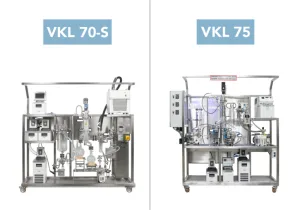
Cannabis distillation system
Purpose-built distillation systems support controlled cannabinoid separation and batch repeatability.
Vacuum systems and process controls
These components help maintain stable operating conditions during distillation.
Condensers and thermal management systems
These systems regulate heat transfer and condensation efficiency.
Supporting upstream and downstream equipment
Facilities may also use:
- solvent recovery systems
- filtration equipment
- transfer pumps and vessels
- storage systems
Find the Ideal Cannabis Distillation Equipment for Your Business
Safety Considerations in Distillate Production
Distillation processes involve heat, pressure differentials, and sometimes solvent handling in upstream steps.
Safety programs commonly include:
- documented SOPs
- operator training
- preventative maintenance
- PPE requirements
- facility ventilation and fire safety systems
- batch documentation and traceability
For a deeper overview, see this guide to cannabis distillation safety protocols
How Producers Improve Distillate Quality
Quality in cannabis distillate goes beyond appearance or potency. Manufacturers focus on consistency, contaminant control, and documented quality verification.
Strategies Used by Producers
1. Defined fraction collection strategy
Operators use predefined acceptance criteria to determine which fractions meet product specifications.
2. Consistent processing workflows
Validated procedures and calibrated equipment help maintain repeatability.
3. Third-party laboratory testing
COAs verify cannabinoid content and contaminant safety before products are released.
Terpenes and Flavor in Distillate Products
Because distillation removes many volatile compounds, distillate often contains lower terpene levels.
Some manufacturers reintroduce terpenes during formulation to achieve specific flavor profiles or product characteristics. These ingredients must comply with regulatory requirements and be supported by appropriate documentation.
Common Challenges in Cannabis Distillation
Even experienced production teams may encounter issues such as:
- equipment leaks or sensor drift
- inconsistent feed material
- residual solvent contamination
- oxidative degradation during storage
Strong quality systems and preventative maintenance programs help reduce these risks.
Conclusion
Cannabis distillate production is a multi-stage process used to create high-purity cannabinoid ingredients for modern cannabis products.
Successful distillate programs rely on:
- engineered extraction and distillation equipment
- trained operators and validated procedures
- consistent quality control systems
- third-party laboratory verification
Companies developing cannabis processing operations often invest in specialized distillation systems and facility design support.
FAQs
Distillate primarily contains concentrated cannabinoids such as THC or CBD, with significantly fewer plant compounds compared with many full-spectrum concentrates.
Distillate focuses on cannabinoid purity and consistency. Live resin and rosin typically preserve more natural terpenes and aromatic compounds.
Many distillates contain low terpene levels because distillation removes volatile compounds. Some manufacturers add terpenes back during formulation.
In many production workflows, decarboxylation occurs before or during distillation. The most reliable way to confirm is by reviewing the product’s Certificate of Analysis (COA).
Color variations may result from starting material quality, processing methods, oxidation, or trace compounds remaining in the oil.
Distillate should be stored in sealed containers in a cool, dark, and dry environment to reduce oxidation and maintain stability.